

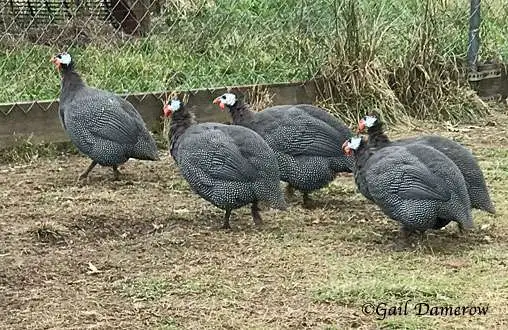
Guinea Fowl are active, useful, and easy to notice in any poultry setup. People keep them for natural pest control, loud warning calls, and strong flock awareness. They are not like ordinary backyard chickens, and that is exactly why many owners find them valuable.
This blog post explains Guinea Fowl in a simple and clear way. You will learn how they behave, what they eat, what kind of shelter they need, and what problems beginners should expect. If you want practical answers before raising Guinea Fowl, this guide will help.
Guinea Fowl Basics
Guinea Fowl are hardy poultry birds with strong flock instincts and constant outdoor movement. They are known for spotted feathers, upright body shape, and sharp alert behavior. In a backyard poultry flock or small farm bird setup, they often stand out right away.
Many people ask what makes Guinea Fowl different. The answer is simple. They are more independent, more vocal, and more active than many other poultry birds. They are not usually raised as calm pet birds. They are raised as working birds with a clear purpose.
Guinea Fowl Benefits
Why do people raise Guinea Fowl? The biggest reason is natural pest control. Guinea Fowl spend much of the day hunting insects and searching the ground for small outdoor pests. This makes them useful in a free-range poultry system where active foraging birds are a real advantage.
Another benefit is flock security. Guinea Fowl react quickly to strange sounds, sudden movement, and unfamiliar visitors. Their loud warning calls can alert the whole area. For many poultry keepers, this combination of pest control and alarm behavior makes Guinea Fowl a smart choice.
Guinea Fowl Behavior
What is Guinea Fowl behavior like? Guinea Fowl are active, flock-focused, and independent birds. They like moving as a group and often stay close to their own kind. Their daily behavior is built around movement, awareness, and group safety.
Are Guinea Fowl friendly? They are usually not friendly in the same way as pet chickens. They are more cautious and less interested in close handling. That does not mean they are difficult birds. It means owners need to understand their natural flock behavior and manage them with routine, space, and patience.
Guinea Fowl Noise
Are Guinea Fowl noisy? Yes, Guinea Fowl are known for a loud noise level. Their warning calls are one of their most famous traits. They call out when they notice strange movement, hear unusual sounds, or react to changes around them.
This loud bird behavior can be useful in an open poultry area or small farm setting. It helps owners know when something unusual is happening. At the same time, Guinea Fowl are not the right birds for someone who wants a quiet backyard flock. Their sound is part of their natural job.
Guinea Fowl Housing
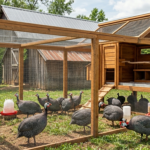
What kind of shelter do Guinea Fowl need? A proper Guinea Fowl housing setup should be dry, secure, and well ventilated. Even though these birds enjoy free-range movement during the day, they still need safe night shelter from bad weather and predators.
Raised roosting space is important because Guinea Fowl prefer to perch high when resting. A predator-safe poultry house with simple roost bars, clean bedding, and enough space works well. The housing does not need to be fancy, but it should support safety and daily routine.
Topic: Guinea Fowl
Best for: People planning a safe and simple shelter for Guinea Fowl
Quick Tips: Focus on dry shelter, safe night housing, and strong roost space
Guinea Fowl Feeding
What do Guinea Fowl eat? Guinea Fowl eat poultry feed, insects, seeds, and natural forage. A balanced Guinea Fowl feeding routine includes quality bird feed, clean drinking water, and access to outdoor foraging when possible.
Many owners like Guinea Fowl because they are active ground foragers. Still, free-range feeding should not replace a complete feeding plan. Young birds need the right starter feed, and adult birds still benefit from regular feed support. A steady feeding routine helps maintain strong growth, body condition, and flock health.
Guinea Fowl Eggs
Do Guinea Fowl lay eggs? Yes, Guinea Fowl hens do lay eggs, but their laying habits are different from standard laying hens. They often prefer hidden nesting spots, quiet corners, and sheltered outdoor areas instead of easy-to-find nest boxes.
This means egg collection may take more effort. Guinea Fowl are usually kept more for pest control and farmyard function than for regular egg production. Still, their eggs can be a useful bonus for owners who want a multi-purpose poultry bird.
Guinea Fowl Tick Control
Do Guinea Fowl help with ticks? Guinea Fowl are widely known for tick control because they spend much of their time searching grass and open ground for insects. Their natural ground-foraging behavior is a major reason many people add them to a backyard poultry setup.
They are not a complete answer to every pest problem, but they can be a useful part of a natural pest control plan. If your goal is to keep active insect-hunting birds in an outdoor space, Guinea Fowl can bring real value.
Guinea Fowl Mixed Flock
Can Guinea Fowl live with chickens? Yes, Guinea Fowl can live in a mixed flock, but good mixed flock management matters. Their noise, movement, and group behavior are very different from many backyard chickens, so enough space is important.
A mixed poultry flock works better when birds are introduced carefully and not crowded. Guinea Fowl usually do best when they have room to move without stress. Watching flock behavior early helps prevent future problems and makes the setup easier to manage.
Guinea Fowl Daily Care
How do you care for Guinea Fowl every day? A simple daily care routine includes feeding, fresh water, shelter checks, and regular flock observation. Healthy birds usually stay active, alert, and connected to the group.
Daily Guinea Fowl care does not need to be complicated. The most important things are consistency and attention. A bird that becomes weak, quiet, or separated from the flock may need fast action. Regular observation is one of the best tools in poultry management.
Guinea Fowl Problems
What are the most common Guinea Fowl problems? The biggest beginner problem is wrong expectations. Many people expect Guinea Fowl to behave like chickens, but Guinea Fowl are more independent, noisier, and harder to control.
Another common issue is poor setup planning. Weak housing, limited space, and an inconsistent feeding routine can cause avoidable stress. Most problems become easier when the owner understands Guinea Fowl behavior before bringing them home.
Guinea Fowl Farming
Are Guinea Fowl good for small farms? Yes, Guinea Fowl fit well into a small farm poultry system, backyard bird setup, or homestead flock. Their farm value comes from natural pest control, loud warning calls, and active free-range movement.
They are often chosen by people who want utility birds instead of birds raised only for appearance. In a working poultry system, Guinea Fowl can support both function and flock awareness. That makes them a practical option for owners who value movement, purpose, and outdoor performance.
Conclusion
Guinea Fowl are useful birds with clear practical value. They help with insect control, bring strong flock alertness, and fit well into a free-range poultry setup. They are active, loud, and independent, so they are not the right choice for every owner, but they can be very rewarding in the right environment.
The best results come from understanding their behavior, giving them safe housing, following a steady feeding plan, and setting realistic expectations from the beginning. Use this guide to make a smart decision, improve your poultry setup, and take the next step with confidence.
FAQs
What are Guinea Fowl good for?
Guinea Fowl are good for natural pest control, loud warning calls, and active free-range flock protection. Many people raise them to reduce insects and add extra alertness to their poultry setup.
Are Guinea Fowl easy to raise for beginners?
Guinea Fowl can be good for beginners if the owner understands their behavior. They are hardy birds, but they are also noisy, active, and more independent than chickens.
Do Guinea Fowl need a coop at night?
Yes, Guinea Fowl need a safe and dry shelter at night. A secure coop or poultry house protects them from bad weather and predators.
Can Guinea Fowl live with chickens?
Yes, Guinea Fowl can live with chickens in a mixed flock. They usually do best when they have enough space and are introduced carefully.
What do Guinea Fowl eat every day?
Guinea Fowl eat poultry feed, insects, seeds, and natural forage. They do best with balanced daily feed, fresh water, and access to outdoor space for foraging.