

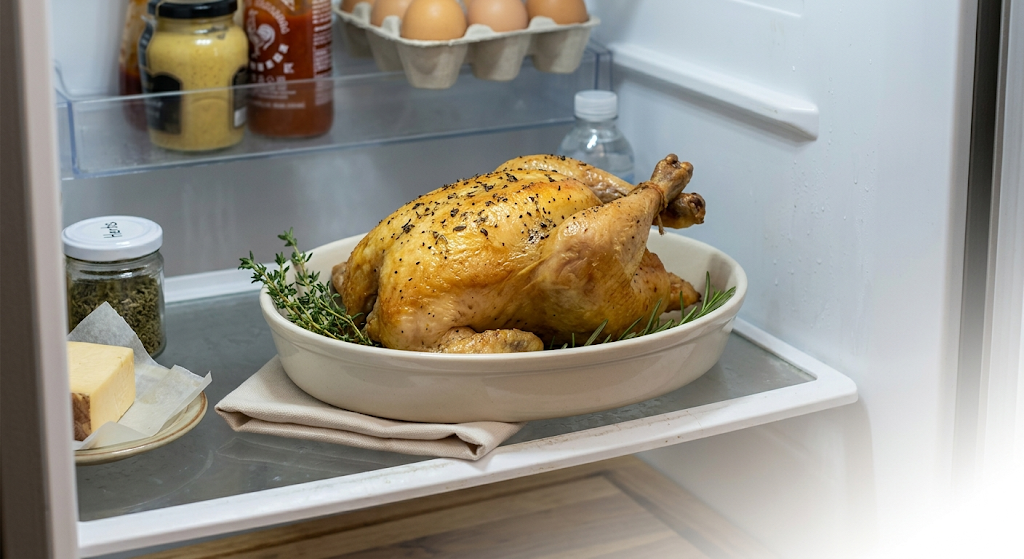
You’ve just harvested or bought guinea fowl meat. Now comes the question most new farmers and cooks get wrong — how do you store it properly?
Guinea fowl meat is lean, flavourful, and best when kept fresh. Poor storage leads to spoilage, wasted meat, and health risks. This guide gives you clear, practical advice on how to store guinea fowl meat safely at home, whether it’s raw, cooked, or ready for the freezer.
How Long Does Guinea Fowl Meat Last? A Quick Overview
Before getting into storage methods, it helps to know the shelf life at a glance.
| Storage Method | Raw Guinea Fowl | Cooked Guinea Fowl |
|---|---|---|
| Room temperature | Up to 2 hours only | Up to 2 hours only |
| Refrigerator (1–4°C) | 1–2 days | 3–4 days |
| Freezer (−18°C or below) | 6–9 months | 2–3 months |
| Vacuum-sealed freezer | Up to 12 months | 3–4 months |
These timings follow UK Food Standards Agency (FSA) guidance for poultry. When in doubt, always choose the shorter end of the range.
Storing Raw Guinea Fowl in the Fridge
How to store guinea fowl meat safely starts with getting it into the fridge as quickly as possible.
Raw guinea fowl should never sit out for more than two hours. At room temperature, bacteria multiply fast.
Best Practices for Fridge Storage
- Use the bottom shelf: Raw meat always goes on the lowest shelf. This prevents juices from dripping onto other foods.
- Keep it wrapped: Leave it in its original packaging if unopened. If the packaging is broken, place the meat in a sealed food-safe container or wrap it tightly in cling film.
- Label and date it: Write the date on the packaging. Raw guinea fowl only lasts 1–2 days in the fridge.
- Keep fridge temperature below 4°C: Check your fridge regularly with a thermometer. Anything higher increases spoilage risk.
If you’re not cooking the meat within two days, move it straight to the freezer.
Is guinea fowl meat safe to eat, and what should you know before trying it? Explore can you eat guinea fowl meat to uncover key facts, tips, and surprising insights for first-timers.
Freezing Guinea Fowl Meat: What You Need to Know
Freezing is the best way to extend the shelf life of guinea fowl meat without losing much quality.
Frozen correctly, raw guinea fowl stays good for 6–9 months. Vacuum-sealed portions can last up to 12 months.
How to Freeze Raw Guinea Fowl
- Pat the meat dry with kitchen paper before freezing. Excess moisture leads to freezer burn.
- Portion it up. Freeze in meal-sized portions rather than a large bulk piece. This makes defrosting easier and reduces waste.
- Use freezer-safe bags or containers. Squeeze out as much air as possible before sealing. A vacuum sealer gives the best results.
- Label everything clearly. Include the cut, weight, and freeze date. Unlabelled packages become a guessing game after a few weeks.
- Place it in the coldest part of the freezer, usually the back, away from the door.
How to Freeze Cooked Guinea Fowl
Cooked guinea fowl freezes well too. Let it cool completely before packaging — never put hot food directly into the freezer.
Divide into portions, seal in airtight containers or freezer bags, and label with the date. Cooked guinea fowl lasts 2–3 months in the freezer.
How to Defrost Guinea Fowl Meat Safely
Thawing guinea fowl incorrectly is one of the most common food safety mistakes.
Never defrost guinea fowl at room temperature. This allows the outer surface to warm into the danger zone (above 8°C) while the inside is still frozen.
Safe Defrosting Methods
- In the fridge: The safest option. Move the frozen meat to the fridge 12–24 hours before you plan to cook it. A whole bird may need up to 48 hours.
- In cold water: Place the sealed package in cold water and change the water every 30 minutes. Cook immediately after thawing.
- In the microwave: Use the defrost setting and cook straight away. Do not refrigerate meat that has been defrosted in the microwave.
Once raw guinea fowl is defrosted, do not refreeze it unless it has been fully cooked first.
Signs That Guinea Fowl Meat Has Gone Off
Knowing when meat is no longer safe to eat could prevent serious illness.
Check for these warning signs before cooking:
- Unpleasant smell: Fresh guinea fowl has a mild, slightly gamey scent. A sour, ammonia-like, or rotten smell is a clear sign of spoilage.
- Slimy texture: A sticky or slimy surface on raw meat means bacterial growth has begun.
- Unusual colour: Fresh guinea fowl is pale pink to off-white. Grey, green, or dull brown patches suggest spoilage.
- Ice crystals with discolouration: Moderate freezer burn (white patches) reduces quality but is usually safe. However, if combined with off-colour or smell, discard the meat.
If you’re unsure, the rule is simple — when in doubt, throw it out.
Tips for Keeping Guinea Fowl Meat Fresh Longer
A few small habits make a big difference in how long your guinea fowl meat stays fresh.
- Cool quickly after cooking: Get cooked meat into the fridge within two hours of cooking.
- Store away from strong-smelling foods: Guinea fowl can absorb odours from nearby foods. Use airtight containers.
- Marinate in the fridge, not on the counter: If you’re marinating guinea fowl, always do it in the fridge.
- Don’t overload the fridge: Good airflow inside the fridge keeps temperatures even. Overfilling reduces efficiency.
- Rotate stock properly: When restocking from slaughter or purchase, move older packages to the front and place new ones at the back.
Shelf Life of Different Guinea Fowl Cuts
Different cuts may have slightly different storage needs. Here’s a quick guide:
| Cut | Fridge (raw) | Freezer (raw) |
|---|---|---|
| Whole bird | 1–2 days | 6–9 months |
| Breast fillets | 1–2 days | 6–9 months |
| Legs and thighs | 1–2 days | 6–9 months |
| Mince / ground | 1 day | 3–4 months |
| Offal (liver, heart) | 1 day | 3–4 months |
Minced guinea fowl and offal are the most perishable. Prioritise cooking or freezing these first.
Frequently Asked Questions
Proper storage is straightforward once you know the rules. Here are answers to the most common questions farmers and home cooks ask.
Can I refreeze guinea fowl meat? Raw guinea fowl should not be refrozen once it has been thawed, unless it has been fully cooked. Cooked portions can be frozen again safely. Refreezing raw meat damages cell structure and increases spoilage risk.
How can I tell if frozen guinea fowl is still good? Check for excessive ice crystals, off-colours, or an unusual smell once thawed. Minor freezer burn (dry white patches) reduces texture but is generally safe to eat. Strong odours or slimy texture after defrosting means the meat should be discarded.
Is it safe to eat guinea fowl that has been in the fridge for 3 days raw? No. Raw guinea fowl should be cooked or frozen within 1–2 days of refrigerating. After three days raw in the fridge, discard it and do not risk eating it.
What is the best container for storing guinea fowl in the freezer? Vacuum-sealed freezer bags give the longest storage life and best protection against freezer burn. Heavy-duty zip-lock freezer bags or airtight rigid containers also work well. Avoid thin cling film alone for long-term freezer storage.
Does marinating affect how long raw guinea fowl keeps in the fridge? Marinating does not significantly extend storage life. Marinated raw guinea fowl should still be cooked within 1–2 days of being placed in the fridge. Always marinate in a covered container in the fridge, not at room temperature.
Conclusion
Storing guinea fowl meat correctly is simple when you follow a clear routine.
Keep raw meat in the fridge at below 4°C and cook it within two days. Freeze unused portions promptly, label everything with dates, and always defrost in the fridge or cold water — never on the counter. Check for spoilage signs before cooking, and when unsure, discard the meat rather than risk your health.
Good storage habits protect the quality of your meat and reduce waste on the farm. Follow this guide consistently and you’ll get the most from every bird you raise.
Explore our related guides on guinea fowl feeding, health care, and daily management to build a strong, productive flock from the ground up.