

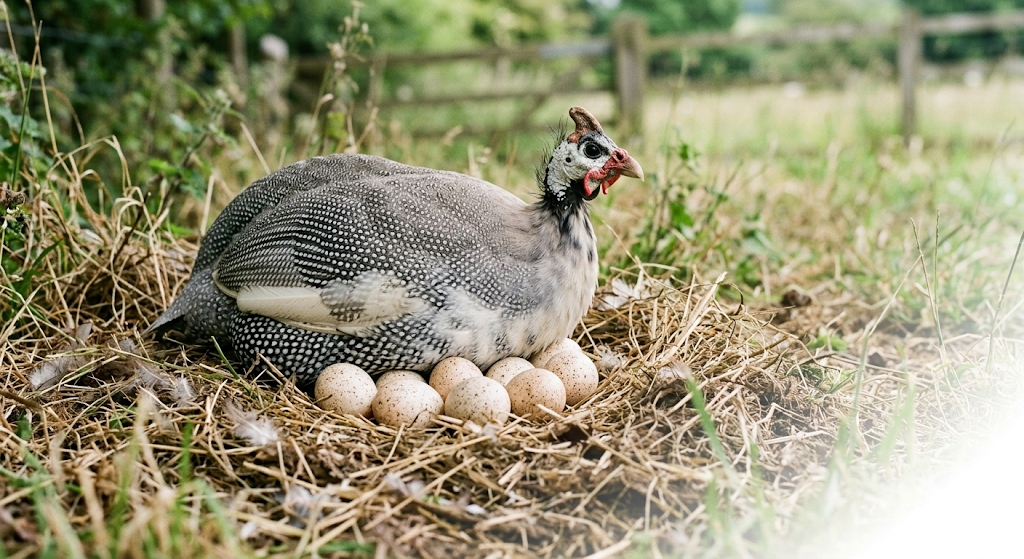
Guinea fowl eggs are small, but they are packed with serious nutrition. Most people walk past them at farm markets without a second thought — yet they deliver more protein, iron, and key vitamins per gram than a standard chicken egg.
If you are raising guinea fowl or thinking about it, the eggs alone make it worthwhile. This article covers seven proven guinea fowl eggs health benefits, including specific advantages for male strength, energy, and fertility.
1. High Protein Content Supports Muscle Growth and Recovery
Guinea fowl eggs are an excellent source of complete protein, containing all nine essential amino acids the body cannot produce on its own. A single guinea fowl egg provides roughly 6–7 grams of protein in a smaller shell than a chicken egg — meaning the protein density per gram of egg is notably higher.
This makes them a practical choice for:
- Muscle repair after physical work or exercise
- Daily protein intake for farmers and labourers with active routines
- Growth support in children and adolescents
Protein also keeps you fuller for longer, which helps manage weight without counting calories.
2. Rich in Iron — Fights Fatigue and Supports Blood Health
Iron deficiency is one of the most common nutritional problems worldwide, particularly in rural and farming communities. Guinea fowl eggs contain a meaningful amount of haem iron — the form the body absorbs most efficiently.
Regular consumption can help:
- Reduce tiredness and low energy caused by mild anaemia
- Support healthy red blood cell production
- Improve oxygen delivery to muscles and organs
For anyone doing physical work outdoors, this benefit alone is worth paying attention to.
3. Guinea Fowl Eggs Benefits for Male Strength and Testosterone
This is one of the most searched questions about these eggs — and for good reason. Guinea fowl eggs benefits for male health are tied to three key nutrients: zinc, vitamin B12, and healthy fats.
How These Nutrients Support Male Health
- Zinc plays a direct role in testosterone production. Low zinc levels are strongly linked to reduced testosterone in men. Guinea fowl eggs are a natural dietary source of zinc.
- Vitamin B12 supports nerve function and energy metabolism, both of which affect physical stamina and performance.
- Healthy fats (including omega-3 fatty acids in free-range birds) support hormone production, including testosterone.
Studies published by the National Institutes of Health confirm that zinc supplementation in zinc-deficient men leads to measurable increases in testosterone levels. Whole-food sources like guinea fowl eggs provide this zinc alongside co-nutrients that improve absorption.
Practical Impact for Men
| Nutrient | Role in Male Health | Found in Guinea Fowl Eggs |
|---|---|---|
| Zinc | Testosterone production | Yes |
| Vitamin B12 | Energy and nerve function | Yes |
| Vitamin D | Hormone regulation | Yes (especially in free-range) |
| Omega-3 Fatty Acids | Hormone production | Yes (free-range birds) |
| Selenium | Sperm quality and motility | Yes |
4. Excellent Source of B Vitamins for Energy and Brain Function
Guinea fowl eggs are rich in the full B-vitamin complex, including B2 (riboflavin), B5 (pantothenic acid), B9 (folate), and B12. These vitamins are essential for converting food into usable energy and keeping the nervous system working properly.
Key benefits include:
- Reduced mental fatigue — B vitamins support focus and cognitive clarity
- Mood regulation — Folate and B12 are linked to lower rates of depression
- Energy metabolism — Riboflavin and B5 help the body produce ATP (cellular energy)
Farmers and smallholders who consume eggs from their own birds often report sustained energy levels throughout the day — and B vitamins are a large part of that.
5. Supports Fertility in Both Men and Women
Selenium is a trace mineral found in guinea fowl eggs that plays a critical role in reproductive health. In men, selenium supports sperm motility and reduces oxidative damage to sperm cells. In women, it supports healthy thyroid function, which directly affects ovulation and hormonal balance.
Folate (vitamin B9), also present in these eggs, is well established as essential for foetal development during early pregnancy.
According to Harvard T.H. Chan School of Public Health, selenium acts as an antioxidant that protects cells — including reproductive cells — from damage.
Guinea fowl eggs provide both selenium and folate in a single, affordable food source.

6. Stronger Immune System Due to Vitamins A, D, and E
Guinea fowl eggs contain fat-soluble vitamins A, D, and E — all of which play key roles in immune defence.
- Vitamin A supports the production of white blood cells and maintains the integrity of mucous membranes
- Vitamin D regulates immune response and reduces inflammation
- Vitamin E acts as a powerful antioxidant, protecting immune cells from oxidative stress
Free-range guinea fowl, which spend most of their time outdoors foraging, tend to produce eggs with higher vitamin D content due to sun exposure. This makes sourcing eggs from pasture-raised birds especially beneficial.
7. Lower Cholesterol Profile Than Expected — Heart-Friendly in Moderation
Many people avoid eggs due to concerns about cholesterol. The reality is more nuanced. Guinea fowl eggs contain dietary cholesterol, but they also contain lecithin — a phospholipid that actively helps regulate cholesterol metabolism in the liver.
Research from the American Heart Association notes that whole-food sources of cholesterol, consumed alongside fibre and plant foods, do not raise cardiovascular risk the way saturated fat does in most healthy individuals.
Additionally, guinea fowl eggs raised on a natural, varied diet tend to have a better omega-6 to omega-3 ratio compared to commercially produced chicken eggs — a factor that supports cardiovascular health over time.

Guinea Fowl Eggs vs Chicken Eggs: A Quick Comparison
| Nutrient (per egg, approx.) | Guinea Fowl Egg | Chicken Egg |
|---|---|---|
| Protein | 6–7g | 6g |
| Iron | Higher | Moderate |
| Zinc | Higher | Lower |
| Vitamin B12 | Higher | Moderate |
| Omega-3 (free-range) | Higher | Lower |
| Shell Thickness | Thicker | Thinner |
| Shelf Life (unwashed) | Longer | Shorter |
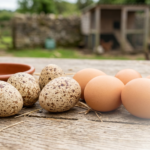
Guinea fowl eggs are smaller, but nutritionally denser. If you raise guinea fowl yourself, the cost per egg is minimal compared to the nutritional return.
FAQs About Guinea Fowl Eggs Benefits
These are the most common questions people ask about guinea fowl eggs and their health effects.
How many guinea fowl eggs can I eat per day? One to two eggs per day is a reasonable amount for most healthy adults. They are nutrient-dense, so you do not need many to get the benefits. Those with specific cholesterol concerns should speak to a GP or nutritionist.
Are guinea fowl eggs good for men with low testosterone? Yes, to a degree. Guinea fowl eggs provide zinc, vitamin D, and healthy fats — all of which support natural testosterone production. They work best as part of a balanced diet rather than as a standalone remedy.
Do guinea fowl eggs taste different from chicken eggs? Yes. Guinea fowl eggs have a slightly richer, creamier yolk and a more pronounced flavour. Many people prefer them for baking and cooking for this reason.

Are guinea fowl eggs safe during pregnancy? Yes, when fully cooked. They are a good source of folate and protein, both important during pregnancy. Always cook eggs thoroughly to avoid the risk of salmonella.
Can guinea fowl eggs help with fatigue? Yes. Their iron, B12, and zinc content directly address common nutritional causes of tiredness. Free-range eggs, in particular, offer higher vitamin D, which is also linked to energy levels.
Final Thoughts
Guinea fowl eggs health benefits are practical and well-supported by nutrition science. They offer more protein per gram, higher iron, stronger immune support, and specific nutrients — zinc, selenium, B12 — that directly benefit male strength, energy, and fertility.

If you already raise guinea fowl, make these eggs a regular part of your diet. If you are considering starting a flock, egg production is one of the most immediate and personal returns you will see from the birds.
Explore more guides on guinea fowl feeding, housing, and egg production to get the most from your flock.