

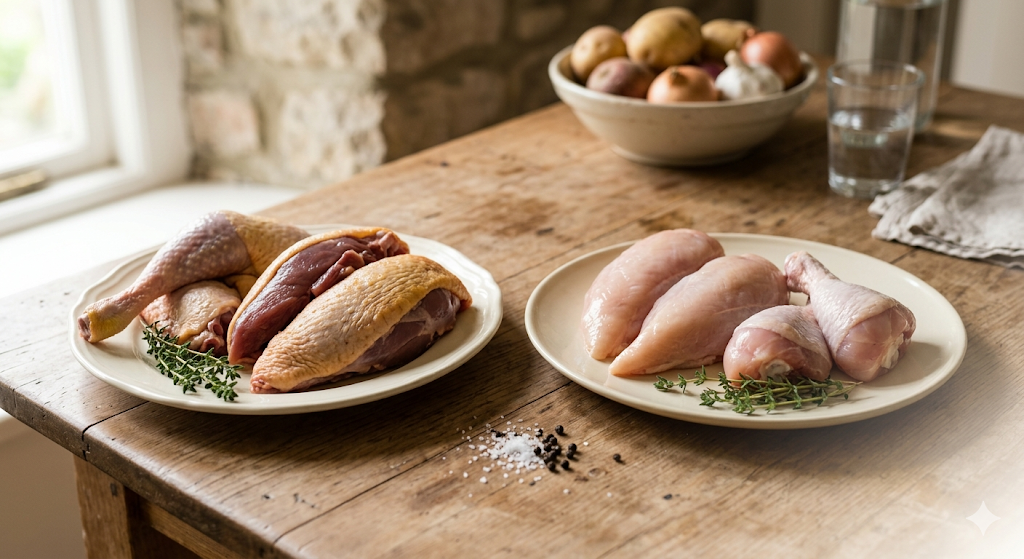
If you’re considering guineafowl farming or simply curious about what’s on your plate, knowing how guineafowl meat compares to chicken is a great place to start.
Guineafowl meat is gaining real attention — from smallholders and chefs to health-conscious families. It tastes different, looks different, and offers something chicken simply doesn’t.
This guide breaks down the key differences clearly, so you can decide whether guineafowl is worth raising or worth eating.
How Guineafowl Meat Compares to Chicken at a Glance
Before diving into the detail, here’s a quick side-by-side overview of what sets these two birds apart.
| Feature | Guineafowl | Chicken |
|---|---|---|
| Colour | Darker, deeper red | Pale pink to white |
| Flavour | Rich, gamey, slightly earthy | Mild, neutral |
| Texture | Firmer, leaner | Softer, more tender |
| Fat content | Lower | Higher |
| Protein content | Higher per 100g | Slightly lower |
| Cooking time | Slightly longer | Quicker |
| Price | Premium | Affordable and widely available |
| Availability | Specialist butchers, farms | Supermarkets everywhere |
Guineafowl meat sits somewhere between chicken and pheasant. It’s more flavourful than chicken but not as strong as wild game.
Also Read: Where to Buy Guineafowl Meat in the UK & Price
What Does Guineafowl Meat Taste Like Compared to Chicken?
This is the first question most people ask — and for good reason.
Guineafowl has a distinctly richer, gamier flavour than chicken. Many people describe it as having a mild wild-game quality, similar to pheasant but noticeably less intense.
Chicken, by contrast, has a clean, neutral flavour that most people are already familiar with. It absorbs marinades and sauces easily, making it incredibly versatile in the kitchen.
Guineafowl holds its own flavour even after marinating, which means it works well with bold herbs, root vegetables, and slow-cooked dishes. It’s particularly popular in French and West African cuisine, where it’s treated as a premium table bird.
Does Guineafowl Taste Like Wild Game?
Not quite. Free-range guineafowl raised on a natural diet will have a slightly earthier taste than intensively farmed chicken, but it won’t taste as strong as grouse or rabbit.
The flavour largely depends on how the bird was raised. Birds allowed to free-range and forage will develop a deeper taste compared to those kept in confined conditions.
Nutritional Differences: Guineafowl vs Chicken Meat
Nutrition is where guineafowl really starts to stand out. It’s leaner and generally higher in protein than standard chicken.
Here’s a rough comparison per 100g of cooked meat:
| Nutrient | Guineafowl (approx.) | Chicken (breast, approx.) |
|---|---|---|
| Calories | ~150–160 kcal | ~165 kcal |
| Protein | ~25–27g | ~23–25g |
| Total fat | ~4–6g | ~7–9g |
| Saturated fat | ~1.5g | ~2–3g |
| Iron | Higher | Moderate |
| Zinc | Good source | Good source |
Note: Values vary depending on cut, cooking method, and whether skin is included.
Guineafowl is a leaner choice overall. Its lower fat content makes it appealing to people watching their calorie intake without wanting to sacrifice protein.
It also tends to contain more iron than standard chicken, which can be beneficial for active individuals and those with higher dietary iron needs.
Is Guineafowl Meat Healthier Than Chicken?
In several respects, yes. Guineafowl is lower in saturated fat, higher in protein per serving, and often contains more iron.
That said, both meats are excellent sources of lean protein. Chicken remains one of the most nutritionally balanced everyday meats available. Guineafowl just offers a slightly better profile for those specifically seeking lean, nutrient-dense options.
Colour and Appearance: Why Guineafowl Meat Looks Different
One of the first things you’ll notice when preparing guineafowl is the colour of the meat. It’s noticeably darker than chicken — even the breast meat.
This difference comes down to myoglobin, a protein found in muscle tissue that stores oxygen. More active birds have more myoglobin, which leads to darker meat.
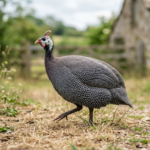
Guineafowl are naturally more active than commercially farmed chickens. They walk, run, and forage constantly, which builds more muscle and increases myoglobin levels throughout the carcass.
Chicken raised in factory conditions does far less movement, resulting in paler flesh — especially in the breast.
Does the Colour Affect Cooking?
Yes, it does. Darker meat like guineafowl benefits from slower cooking methods that let it tenderise gradually. Quick, high-heat cooking can make the meat tough and dry.
Chicken breast, by contrast, cooks quickly at high heat without much risk of becoming chewy — though it can dry out easily if overcooked.
Texture and Tenderness: Which Is Better to Cook?
Guineafowl is firmer than chicken. It has a denser, meatier bite that some people love and others take time to get used to.
This texture is a direct result of its active lifestyle. More exercise means more developed muscle fibres — which means firmer, less yielding meat.
Chicken, particularly the breast, is soft and tender. It’s forgiving to cook and suits a wide range of methods, from grilling and roasting to poaching and frying.
Guineafowl rewards patience. It does best when braised, slow-roasted, or casseroled. Cooking it low and slow breaks down the muscle fibres and results in incredibly tender, flavourful meat.
Best Cooking Methods for Each Bird
- Guineafowl: Slow roasting, casseroles, braising, pot-roasting with root vegetables
- Chicken: Grilling, roasting, frying, poaching, baking
Carcass Size and Meat Yield: What to Expect
There’s a practical side to this comparison that matters to farmers and buyers alike.
A standard guineafowl weighs between 1.2 and 1.8 kg at slaughter, which is notably smaller than a typical table chicken at 1.8 to 2.5 kg or more.
The meat-to-bone ratio in guineafowl is also slightly lower. Because guineafowl have a more active build with a denser skeleton, you’ll get less meat per kilogram of live weight compared to a broiler chicken.
| Metric | Guineafowl | Table Chicken (Broiler) |
|---|---|---|
| Typical live weight | 1.2–1.8 kg | 1.8–2.5 kg+ |
| Dressing percentage | ~70–72% | ~74–76% |
| Breast meat proportion | Lower | Higher |
| Legs/thighs yield | Proportionally good | High |
This is worth knowing if you’re planning to sell guineafowl at market. You’ll likely command a higher price per kilogram, but buyers should be aware of the smaller overall yield.
Price and Market Value: Is Guineafowl Worth More?
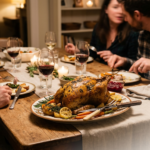
Guineafowl consistently sells at a premium compared to chicken. In the UK, a whole guineafowl from a farm shop or specialist butcher typically costs between £10 and £18, depending on size and supplier.
Chicken, by comparison, remains one of the most affordable meats in the country — widely available and competitively priced.
Why is guineafowl more expensive?
- Lower production volume — fewer birds are farmed commercially
- Slower growth rate — guineafowl take longer to reach slaughter weight
- Niche demand — it’s primarily sold through farm shops, farmers’ markets, and specialist butchers rather than supermarkets
- Free-range raising — most guineafowl available for sale have been kept in extensive systems
For farmers, this premium pricing is a genuine opportunity. A small flock sold direct to consumers or local restaurants can generate strong returns.
Guineafowl Meat in the Kitchen: Tips for Beginners
If you’re cooking guineafowl for the first time, a few simple tips will help you get the best from the meat.
- Rest the bird before cooking. Bring it to room temperature for 30 minutes before it goes in the oven.
- Cover the breast. Guineafowl breast dries out quickly — cover with bacon or foil for the first hour.
- Cook low and slow. Roast at 160–170°C for best results, basting regularly.
- Add moisture. Use stock, wine, or cider in the roasting tray to keep the meat tender.
- Don’t overcook it. Like most lean meats, guineafowl can become dry and tough if left too long. Use a meat thermometer — aim for 74°C in the thickest part of the thigh.
- Let it rest. Rest the cooked bird for 10–15 minutes before carving to let the juices settle.
Guineafowl pairs particularly well with thyme, garlic, lemon, mushrooms, and creamy sauces. It also works beautifully in slow-cooked dishes with root vegetables.
Frequently Asked Questions
Here are some of the most common questions people ask when comparing guineafowl and chicken meat.
Q: Is guineafowl meat safe to eat? Yes, completely. Guineafowl is a poultry bird and is fully safe to eat when cooked to the correct internal temperature (74°C). It follows the same food safety guidelines as chicken and other poultry.
Q: Why is guineafowl meat darker than chicken? Guineafowl are far more active than commercially farmed chickens. This activity builds more muscle and increases myoglobin levels in the tissue, which results in naturally darker meat throughout the carcass.
Q: Can I substitute guineafowl for chicken in recipes? Yes, in most cases. Keep in mind that guineafowl is firmer and has a stronger flavour, so it works better in slow-cooked or braised dishes. It may not suit quick stir-fry or grilled chicken recipes as well.
Q: Is guineafowl meat available in UK supermarkets? Not typically. In the UK, guineafowl is mainly sold through farm shops, farmers’ markets, and independent butchers. Some online farm suppliers also offer it for home delivery.
Q: Does guineafowl taste better than chicken? That depends entirely on personal preference. If you enjoy mild, neutral meat, chicken is the better choice. If you prefer something with more depth, a slight earthiness, and a richer flavour profile, guineafowl is worth trying.
Q: Is guineafowl a good meat bird to raise for profit? Yes, it can be. Guineafowl commands a premium price at market and is well suited to free-range systems, which are increasingly popular with consumers. However, the smaller carcass size and slightly lower yield should be factored into your pricing.
Conclusion
Guineafowl and chicken are both excellent table birds — but they offer very different eating experiences.
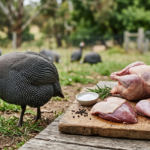
Guineafowl is leaner, richer in flavour, and nutritionally strong. Chicken is mild, versatile, affordable, and easier to cook. Which is “better” really comes down to what you’re looking for.
For farmers, guineafowl represents a real opportunity to produce a premium product with strong market appeal. For home cooks, it’s a rewarding meat to explore — especially if you enjoy flavourful, slow-cooked dishes.
If you’re thinking about raising guineafowl for meat, explore our other guides on guineafowl farming to get started with the basics.