

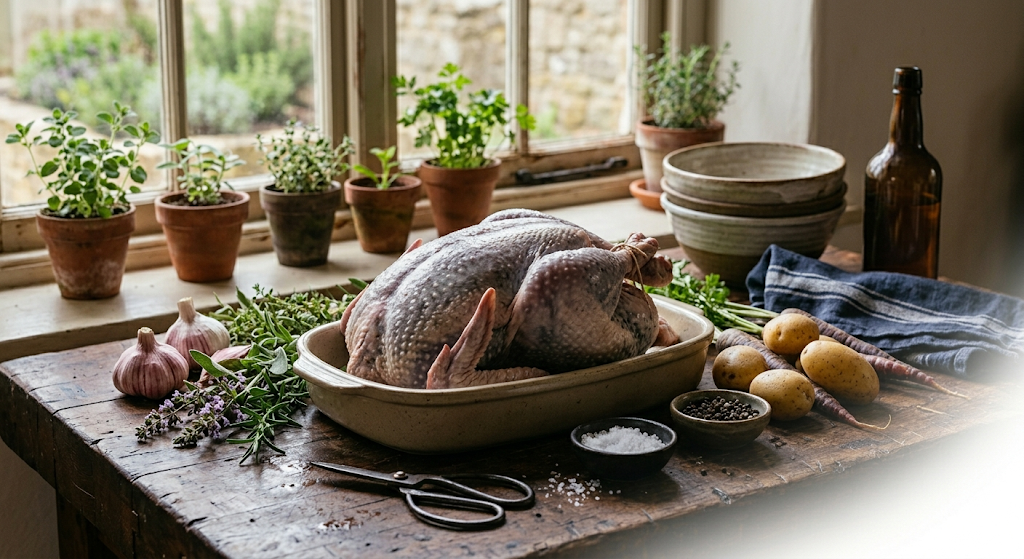
Guinea fowl meat is one of the most nutritious yet underrated poultry meats available. It is lean, high in protein, and packed with essential vitamins and minerals that support everyday health.
Whether you are raising guinea fowl on your small farm or simply curious about what you are eating, understanding guinea fowl meat nutrition helps you make smarter farming and dietary choices. This guide covers everything — from exact protein figures to why guinea fowl may be a better option than standard chicken for certain diets.
What Is Guinea Fowl Meat and Why Is It Different From Chicken?
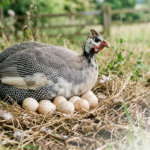
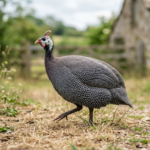
Guinea fowl (Numida meleagris) is a free-ranging bird originally from sub-Saharan Africa. It has been farmed across Europe and the UK for centuries, valued both for pest control and for its distinctive, flavourful meat.
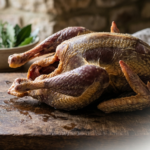
The meat has a darker, richer colour than chicken, with a slightly gamey taste that many people compare to pheasant. The birds are naturally active and free-ranging, which means their muscles develop more than confined broilers. This results in firmer, leaner meat with a denser nutritional profile.
Because guinea fowl spend more time foraging and moving, their fat content stays low while their protein levels remain high. That difference in lifestyle directly shapes what ends up on your plate.
Guinea Fowl Meat Nutrition Facts at a Glance
Here is a breakdown of the approximate nutritional values for a 100g serving of guinea fowl meat (raw, skinless):
| Nutrient | Amount per 100g | % Daily Value (approx.) |
|---|---|---|
| Calories | 110–130 kcal | 6–7% |
| Protein | 23–26g | 46–52% |
| Total Fat | 2–4g | 3–5% |
| Saturated Fat | 0.5–1g | 2–5% |
| Cholesterol | 70–80mg | 23–27% |
| Iron | 1.5–2.5mg | 8–14% |
| Zinc | 1.5–2mg | 14–18% |
| Vitamin B12 | 0.4–0.6µg | 17–25% |
| Niacin (B3) | 8–10mg | 50–63% |
| Phosphorus | 200–240mg | 16–19% |
| Potassium | 250–300mg | 5–6% |
Values are approximate and may vary depending on the bird’s age, diet, and rearing conditions.
Guinea fowl meat nutrition is notable for its high protein-to-calorie ratio. Few poultry meats offer this level of protein while keeping fat and calories so low.
Guinea Fowl Protein Content — How Does It Compare?
Guinea fowl meat is an excellent high-protein food, making it ideal for anyone focused on muscle maintenance, recovery, or a low-fat diet.
Guinea Fowl vs Other Poultry Meats
| Poultry Type | Protein per 100g | Fat per 100g | Calories per 100g |
|---|---|---|---|
| Guinea Fowl | 23–26g | 2–4g | 110–130 kcal |
| Chicken Breast | 21–23g | 1.5–3g | 100–120 kcal |
| Turkey Breast | 22–24g | 1–2g | 105–120 kcal |
| Duck Breast | 18–21g | 5–8g | 130–160 kcal |
| Pheasant | 20–24g | 3–5g | 115–135 kcal |
Guinea fowl sits comfortably at the top of the protein range for common poultry meats. It closely rivals chicken breast but often exceeds it due to the bird’s more active lifestyle and naturally leaner muscle composition.
For farmers raising guinea fowl for the table, this protein density adds real commercial and nutritional value to your product.
Key Health Benefits of Guinea Fowl Meat
Guinea fowl meat health benefits go well beyond basic nutrition. Here is what the nutritional profile actually means for everyday health.
Supports Muscle Growth and Repair
High-quality protein is the foundation of muscle function. Guinea fowl meat provides complete protein — meaning it contains all nine essential amino acids your body cannot produce on its own. This makes it particularly useful for:
- Athletes and active individuals who need efficient muscle repair after exercise
- Older adults who benefit from adequate protein intake to maintain muscle mass
- Farmers and manual workers with high daily physical demands
Promotes Heart Health
Low saturated fat content is one of the strongest arguments for choosing guinea fowl over fattier red meats. A diet lower in saturated fat is widely linked to reduced risk of heart disease. Guinea fowl’s fat profile means:
- Lower LDL cholesterol risk compared to beef or lamb
- Lean calories that support a healthy body weight
- No processed additives, particularly when raised on pasture or free range
Rich in B Vitamins for Energy and Brain Function
Guinea fowl meat is a solid source of B-group vitamins, especially niacin (B3), B6, and B12. These vitamins play a critical role in:
- Energy metabolism — converting food into usable fuel
- Nervous system health — supporting mood, memory, and concentration
- Red blood cell production — particularly relevant for those prone to fatigue or anaemia
A single 100g serving can provide over 50% of your daily recommended niacin intake. That is a meaningful contribution to overall energy levels throughout the day.
Good Source of Iron and Zinc
Guinea fowl meat provides haem iron — the form most readily absorbed by the body compared to plant-based iron sources. This supports:
- Oxygen transport in the blood, reducing fatigue
- Immune system function, particularly in children and women of childbearing age
Zinc in guinea fowl contributes to wound healing, immune defence, and normal hormonal function. Both minerals are especially important for people who eat little or no red meat.
Supports Weight Management
With only 110–130 kcal per 100g and very low fat content, guinea fowl is an ideal lean protein for anyone managing their weight. High-protein meals are known to:
- Reduce appetite and cravings by keeping you fuller for longer
- Preserve lean muscle mass during calorie-reduced diets
- Boost metabolic rate slightly, as protein requires more energy to digest than fat or carbohydrate
For small-scale farmers, this nutritional appeal is also a powerful marketing point when selling directly to health-conscious consumers.
Lower in Cholesterol Than Many Meats
While guinea fowl does contain cholesterol, its overall fat profile is much more favourable than red meat alternatives. For people monitoring their dietary cholesterol intake, guinea fowl is a far better option than beef, pork, or even some cuts of lamb.
Read More: Top 10 Guinea Fowl Meat Recipes for Easy Home Cooking
Is Guinea Fowl Meat Healthier Than Chicken?
The short answer is: broadly comparable, with some meaningful advantages.
Guinea fowl generally edges ahead of standard supermarket chicken in three areas:
- Protein density — slightly higher per 100g in many comparisons
- Richer micronutrient profile — particularly iron, zinc, and B vitamins
- No routine antibiotic exposure — guinea fowl are rarely reared intensively, reducing the risk associated with antibiotic-resistant residues
Standard chicken, especially factory-farmed, is often raised in conditions that lead to higher fat accumulation and lower nutritional density. Free-range and pasture-raised guinea fowl, by contrast, develop firmer muscles and a leaner fat profile simply because of how they live.
That said, organic or free-range chicken is nutritionally very similar. The key advantage of guinea fowl is its combination of natural rearing, distinctive flavour, and high nutritional value — all in a bird that is genuinely low-maintenance for farmers.
How Rearing Conditions Affect Guinea Fowl Meat Nutrition
The way you raise your birds directly affects the nutritional quality of the meat. This is worth understanding whether you are farming for profit or for your own table.
- Free-range birds develop stronger muscle tissue and leaner fat due to increased physical activity
- Foraging on natural pasture increases the presence of omega-3 fatty acids, B vitamins, and trace minerals
- Age at slaughter matters — birds slaughtered at 20–24 weeks develop firmer, more flavourful meat than younger birds
- Feed quality influences fat composition — birds raised on diverse forage alongside quality grain show better overall nutritional profiles
If you are marketing guinea fowl meat, these rearing conditions are genuine selling points. UK consumers increasingly pay a premium for free-range, naturally reared poultry.
Read More: Guinea Fowl Meat Storage Guide: Shelf Life & Safety
Frequently Asked Questions
There is a lot of curiosity around guinea fowl meat — especially from people new to this bird. These answers cover the most common questions people ask.
Is guinea fowl meat good for you? Yes. Guinea fowl meat is high in protein, low in fat, and a good source of B vitamins, iron, and zinc. It is a nutritious choice for most people as part of a balanced diet.
How much protein does guinea fowl meat contain? A 100g serving of raw, skinless guinea fowl meat typically contains between 23 and 26 grams of protein. This is comparable to — or slightly higher than — standard chicken breast.
Is guinea fowl meat lower in fat than chicken? Generally, yes. Especially when compared to skin-on or intensively reared chicken. Free-range guinea fowl typically contains 2–4g of fat per 100g, making it one of the leaner poultry meats available.
Can guinea fowl meat help with weight loss? It can support a weight management diet. Its high protein content promotes satiety, and its low calorie count means you can eat a generous serving without consuming excess energy.
Does guinea fowl meat taste like chicken? Not exactly. It has a slightly richer, gamey flavour — often compared to free-range chicken or pheasant. The texture is firmer and the colour darker due to more active muscle use.
Is guinea fowl a good meat for people with anaemia? Yes. Guinea fowl is a source of haem iron, which is more readily absorbed than plant-based iron. This makes it a helpful dietary addition for people with low iron levels, though it should be part of a wider approach guided by a health professional.
Final Thoughts
Guinea fowl meat nutrition stands up well against any common poultry variety. It is lean, protein-dense, rich in key B vitamins, and naturally low in fat — making it a genuinely healthy meat choice for a wide range of diets.
For farmers, this nutritional profile is also a commercial asset. Health-aware consumers are actively looking for alternatives to factory-farmed chicken, and free-range guinea fowl sits perfectly in that space.

Explore more guides on raising, feeding, and marketing guinea fowl to get the most from your flock — and from what it produces.