

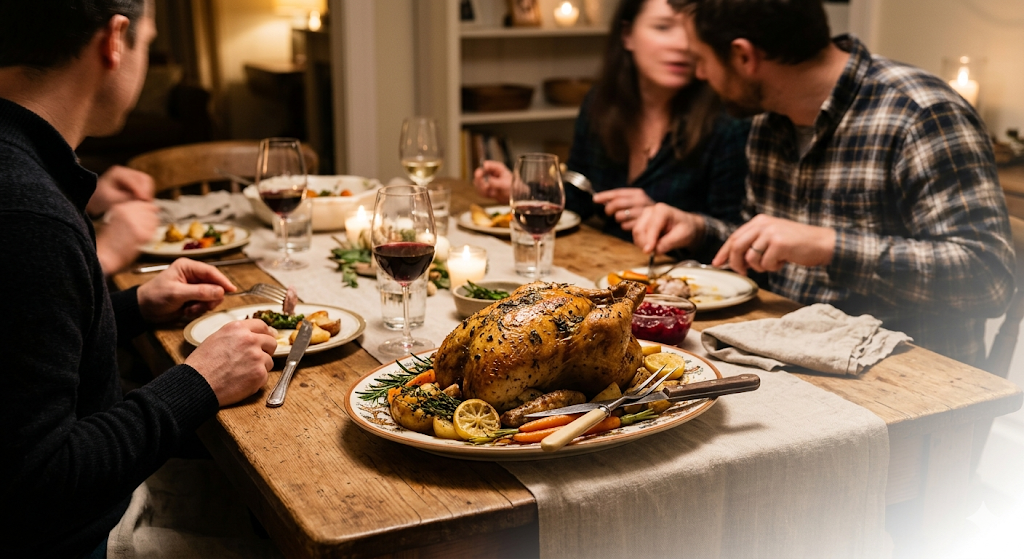
Yes, you can eat guineafowl meat — and it’s surprisingly good. Many people don’t realise that this common farmyard bird is also a high-quality food source, especially for those raising them for both pest control and income.
Guineafowl meat is lean, flavourful, and rich in protein. Whether you’re a small-scale farmer thinking about the table value of your birds, or simply curious about this lesser-known poultry, this guide covers everything you need.
What Does Guineafowl Meat Taste Like?
Guineafowl has a flavour that sits somewhere between chicken and pheasant. It’s more gamey than chicken, but not as strong as wild game birds. Most people who try it describe the taste as rich, earthy, and deeply satisfying.
The meat is darker and firmer than chicken. This is because guineafowl are active birds that walk and forage constantly, building lean muscle. The breast meat is lighter, while the thighs and legs are darker and more flavourful.
If you’ve never tried it before, think of it as a more interesting version of chicken — not too wild, not too mild.
Also Read: Where to Buy Guineafowl Meat in the UK & Price
Is Guineafowl Meat Good for You?
Guineafowl meat is one of the healthiest poultry options available. It’s low in fat and high in protein, making it a strong choice for anyone watching their diet without sacrificing flavour.
Here’s a quick look at the general nutritional profile of guineafowl meat per 100g (cooked):
| Nutrient | Approximate Value |
|---|---|
| Calories | 110–130 kcal |
| Protein | 22–25g |
| Total Fat | 2–4g |
| Saturated Fat | Less than 1g |
| Iron | High (compared to chicken) |
| Cholesterol | Moderate |
Values are approximate and can vary based on the bird’s diet, age, and cooking method.
The meat is also a good source of B vitamins, particularly B12 and niacin, which support energy levels and healthy nerve function. The high iron content makes it a strong option compared to regular chicken or turkey.
Also Read: Top 10 Guinea Fowl Meat Recipes for Easy Home Cooking
Guineafowl Meat vs Chicken: Key Differences
Many farmers and cooks compare guineafowl directly to chicken. While they’re similar birds, there are some important differences worth knowing.
| Feature | Guineafowl | Chicken |
|---|---|---|
| Flavour | Gamey, rich, earthy | Mild, neutral |
| Fat content | Lower | Slightly higher |
| Protein | Higher per gram | Slightly lower |
| Texture | Firm, lean | Softer, more tender |
| Colour | Darker meat overall | Lighter breast meat |
| Cooking time | Slightly longer | Shorter |
| Price at market | Higher (premium) | Lower |
Guineafowl is often described as a premium poultry choice. Chefs and restaurants in the UK frequently use it as a more flavourful alternative to chicken in gourmet dishes.
How Do You Cook Guineafowl Meat?
Choosing the Right Cooking Method
Guineafowl meat is lean, which means it can dry out quickly if overcooked. The key is to cook it low and slow, or to use moisture-retaining methods such as roasting with a cover or braising.
Here are the most effective cooking methods:
- Roasting: Ideal for a whole bird. Cover with foil for the first half of cooking to lock in moisture, then uncover to brown the skin.
- Slow cooking: Works exceptionally well with legs and thighs. The longer cook time breaks down the firm muscle and produces tender, flavourful meat.
- Pan-frying (breast): Guineafowl breast cooks quickly. Sear on high heat for 2–3 minutes per side, then rest the meat for at least 5 minutes before serving.
- Braising: An excellent method for older birds. Cooked in stock, wine, or tomatoes, the meat becomes rich and deeply flavoured.
- Grilling: Best for younger, smaller birds. Marinate well in advance to keep the meat moist.
Common Cooking Mistakes to Avoid
- Overcooking the breast: Guineafowl breast dries out fast. Use a meat thermometer and aim for an internal temperature of 74°C.
- Skipping the resting time: Always rest the meat for 5–10 minutes after cooking. This keeps the juices inside the meat.
- Not marinating: Because the meat is lean and slightly gamey, a simple marinade with herbs, garlic, and olive oil makes a big difference to the final flavour.
At What Age Should Guineafowl Be Slaughtered for Meat?
The ideal slaughter age for guineafowl depends on the purpose. For the best balance of flavour and tenderness, most farmers aim to process their birds between 12 and 16 weeks of age.
Birds processed before 12 weeks tend to have less developed flavour. Birds older than 20 weeks can have tougher, chewier meat — though these are well suited to slow-cooking methods like braising or casseroles.
Keets (young guineafowl) raised specifically for meat are often fed a high-protein diet to encourage faster growth and better yield. Free-range birds, while slower to mature, typically produce more flavourful meat than those kept in confined systems.
Is Wild Guineafowl Safe to Eat?
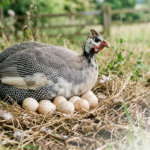
Wild guineafowl can be eaten, but it requires more care in preparation. Wild birds tend to have tougher, leaner meat because of their high activity levels. The flavour is more intense than farm-raised birds.
If you are processing a wild guineafowl, keep the following in mind:
- Check local regulations before hunting or processing wild birds in the UK. Certain species and seasonal restrictions may apply.
- Inspect the bird carefully for signs of illness or injury before eating.
- Pluck and clean thoroughly to avoid contamination from feathers or gut contents.
- Cook to the correct internal temperature (74°C) to ensure safety.
Wild guineafowl is best suited to slow-cooking methods that help break down the firmer muscle fibres.
Can Guineafowl Eggs Be Eaten Too?
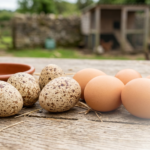
Yes, guineafowl eggs are completely edible and actually quite nutritious. They’re smaller than chicken eggs — roughly the size of a large quail egg — but they pack a strong flavour.
Guineafowl eggs have a thicker shell than chicken eggs, which makes them harder to crack. The yolk is larger in proportion to the white, giving the egg a richer, creamier flavour.
They can be used in the same way as chicken eggs: boiled, fried, scrambled, or baked into recipes. Many people prefer them for baking because of the richer yolk. At farmers’ markets and specialist food shops in the UK, guineafowl eggs often sell at a premium price.
Is Guineafowl Meat Worth Raising for Profit?
For farmers already keeping guineafowl for pest control or eggs, the meat adds another income stream without significant extra cost. Guineafowl are low-maintenance birds, and their carcasses are typically lighter than chickens — averaging between 1.2kg and 1.8kg dressed weight.
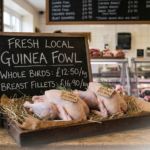
The demand for free-range, flavourful, and premium poultry is growing in the UK. Restaurants, farm shops, and local food markets actively seek out guineafowl as an alternative to mainstream poultry. This creates a real opportunity for small-scale farmers to sell directly to buyers at a higher margin than standard chicken.
The main consideration is marketing. Many buyers simply don’t know about guineafowl meat, so educating your local customer base — through tasting events, clear labelling, or social media — can make a meaningful difference to your sales.
Frequently Asked Questions About Guineafowl Meat
These are some of the most common questions people ask before trying or raising guineafowl for meat.
Is guineafowl meat tough? It can be, especially in older birds or wild birds. The key is to use the right cooking method. Braising and slow cooking produce tender results, while younger birds cooked quickly on a pan or grill can be very tender when not overcooked.
Does guineafowl meat smell strong when cooking? It has a slightly earthy aroma compared to chicken, but it is not unpleasant. Marinating the bird in herbs, lemon, and olive oil before cooking reduces any strong scent and improves the overall flavour.
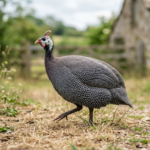
Can children eat guineafowl meat? Yes, guineafowl meat is completely safe for children. Its lean, protein-rich profile makes it a healthy option for all ages. Just ensure it is cooked through to a safe internal temperature of 74°C.
Where can I buy guineafowl meat in the UK? Guineafowl meat is available from some supermarkets, specialist butchers, farm shops, and online meat suppliers. It is more commonly found during autumn and winter, as it complements the season’s hearty recipes.
How does guineafowl compare to pheasant in flavour? Guineafowl is milder than pheasant. Pheasant has a stronger, more pronounced game flavour, while guineafowl sits closer to chicken with just a hint of wildness. Most people new to game poultry find guineafowl a much easier starting point.
Conclusion
Guineafowl meat is a genuine alternative to chicken — leaner, more flavourful, and nutritionally impressive. Whether you’re raising birds and thinking about the table value they offer, or you’re simply curious after seeing it on a menu, the answer is clear: it’s absolutely worth eating.
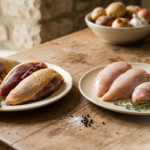
The key points to remember are that guineafowl meat cooks best with moisture-retaining methods, tastes richer than chicken, and offers real commercial value for small-scale farmers in the UK.
If you’re raising guineafowl and want to make the most of your flock, explore our other guides on guineafowl feeding, housing, and farm setup to build a more productive and profitable operation.