

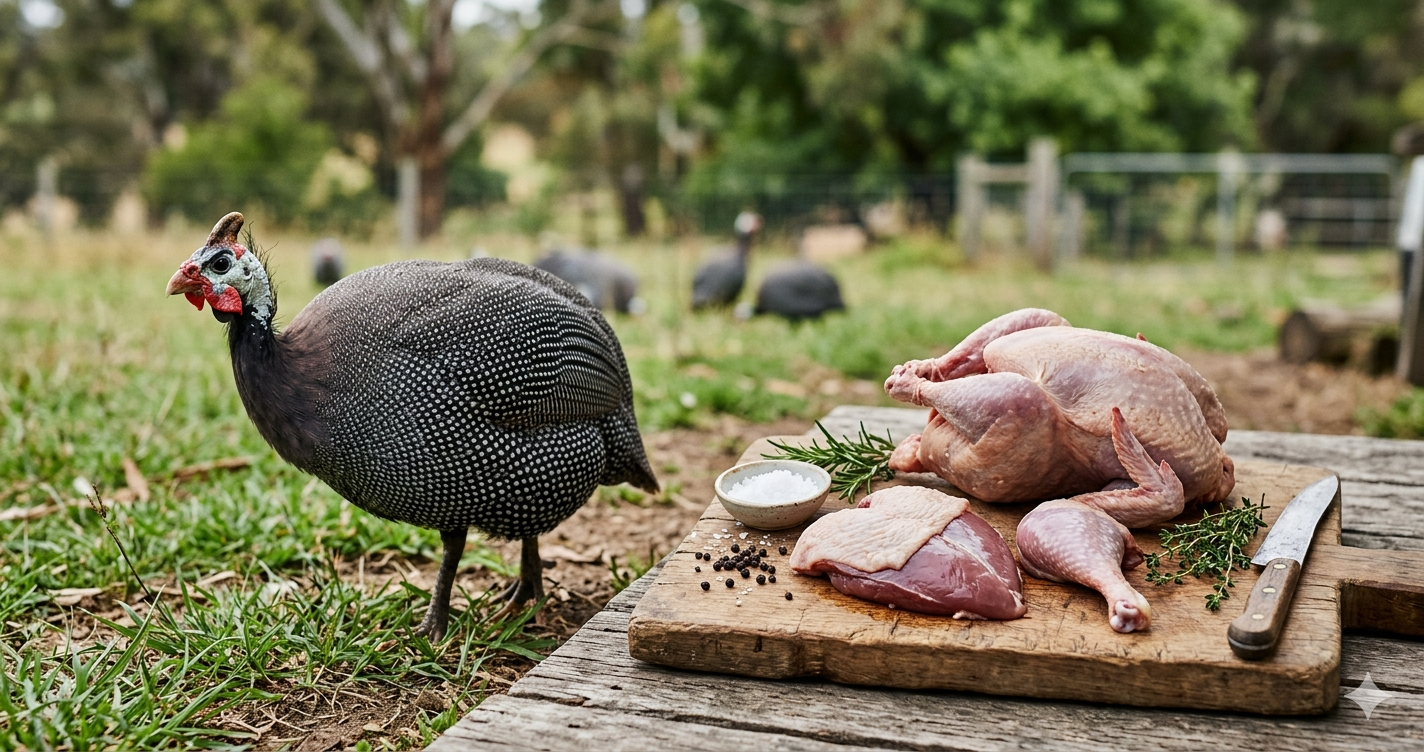
Most people walk past guinea fowl at the butcher without giving it a second thought. That is a shame, because this lean, flavourful bird is one of the most nutritious meats you can put on your plate.
Guinea fowl meat sits somewhere between chicken and game. It is richer than everyday poultry but far milder than pheasant or duck. Once you understand its nutrition, taste, and a few simple cooking rules, you will wonder why you waited so long to try it.
This guide covers everything you need to know — from what guinea fowl actually tastes like to how to cook it without drying it out.
What Is Guinea Fowl Meat?
Guinea fowl (Numida meleagris) is a domesticated bird originally from West Africa. It is now raised across Europe, the UK, and parts of Asia for both its eggs and its meat.
The birds are naturally active and free-ranging, which directly affects the quality of their meat. Because they spend more time moving than commercially raised chickens, their muscles develop differently. The result is leaner, firmer, and more flavourful meat.
Guinea fowl is classed as a game bird in culinary terms, even when raised on a farm. This classification reflects its texture and taste rather than where it was caught.
How Guinea Fowl Differs from Other Poultry
Understanding where guinea fowl sits among other birds helps you cook it better and appreciate what makes it special.
| Feature | Guinea Fowl | Chicken | Pheasant |
|---|---|---|---|
| Flavour profile | Mild game, slightly nutty | Neutral, mild | Strong game |
| Texture | Firm, lean | Soft, tender | Lean, dry if overcooked |
| Fat content | Low | Moderate | Very low |
| Protein content | High | High | High |
| Best cooking method | Roasting, braising | Versatile | Braising, slow cook |
| Availability (UK) | Specialist butchers, farm shops | Supermarkets | Autumn/winter season |
Guinea fowl offers a middle ground. It has more character than chicken but remains approachable for everyday cooking.
What Does Guinea Fowl Meat Taste Like?
Guinea fowl meat has a distinctive flavour that is hard to describe until you try it. The taste is often called “chicken with personality.”
The flesh carries a subtle gamey note without the strong wild flavour you get from pheasant or grouse. There is a slight nuttiness to it, which comes partly from the bird’s varied diet when raised free-range.
Breast vs Leg Meat
The two parts of the bird taste noticeably different.
- Breast meat is pale, lean, and mild. It has a delicate flavour and firm texture. It can dry out quickly if overcooked, so it benefits from careful heat management.
- Leg and thigh meat is darker, richer, and more flavourful. It contains more connective tissue, which makes it ideal for slow cooking, braising, and casseroles.
Many experienced cooks prefer the legs for their depth of flavour. If you are new to guinea fowl, starting with a braised leg dish is a forgiving and rewarding introduction.
Does It Taste Like Chicken?
This is the most common question. The honest answer is: yes and no.
The general structure is similar — white breast, darker legs, neutral enough to work with most seasonings. But guinea fowl has more flavour than a standard supermarket chicken. Think of a well-raised, free-range chicken with a slightly wilder edge. That is guinea fowl.
Discover what makes guinea fowl truly unique in this flavorful guide to guinea fowl meat taste. Find out why chefs and food lovers can’t get enough of it!
Guinea Fowl Meat Nutrition Facts
Guinea fowl meat is exceptionally nutritious. Its low fat and high protein content make it a strong choice for anyone focused on a balanced diet.
The figures below are based on approximately 100g of cooked guinea fowl breast meat.
| Nutrient | Amount (per 100g) |
|---|---|
| Calories | 110–130 kcal |
| Protein | 23–26g |
| Total fat | 2–4g |
| Saturated fat | Under 1g |
| Cholesterol | 70–80mg |
| Iron | 1.5–2mg |
| Zinc | 2–3mg |
| Phosphorus | 200–240mg |
| Vitamin B12 | 0.4–0.6µg |
| Niacin (B3) | 7–9mg |
Values are approximate and vary by preparation method and bird age.
Protein Content
Guinea fowl is one of the highest protein-to-fat ratios among common meats. With roughly 25g of protein per 100g and very little fat, it is an excellent choice for muscle maintenance, recovery, and general satiety.
This profile compares favourably to both chicken breast and turkey, while offering a more interesting flavour.
Fat Profile
The fat in guinea fowl is predominantly unsaturated. This means it supports heart health rather than working against it. The low saturated fat content is particularly valuable for those monitoring cholesterol.
Vitamins and Minerals
Guinea fowl provides a useful range of micronutrients.
- Iron supports red blood cell production and energy levels.
- Zinc plays a role in immune function and wound healing.
- Vitamin B12 supports the nervous system and is essential for those who eat limited red meat.
- Niacin (B3) helps convert food into energy and supports skin and nerve health.
- Phosphorus contributes to healthy bones and teeth.
Health Benefits of Guinea Fowl Meat
The nutritional profile of guinea fowl translates into several practical health advantages. These are grounded in the actual composition of the meat rather than marketing claims.
Supports Lean Muscle Growth
The high protein and low fat combination makes guinea fowl useful for anyone building or maintaining muscle mass. It provides essential amino acids without excess calories from fat.
Good for Weight Management
At around 110–130 calories per 100g, guinea fowl is a genuinely low-calorie protein source. Protein keeps you fuller for longer, which naturally reduces overall food intake. Replacing higher-fat meats with guinea fowl is a simple way to reduce calorie load without sacrificing satisfaction.
Heart-Friendly Fat Profile
The low saturated fat content and relatively high proportion of unsaturated fats support cardiovascular health. For people managing cholesterol levels or following heart-healthy dietary advice, guinea fowl is a sensible choice.
Rich in B Vitamins for Energy
The combination of niacin and vitamin B12 supports energy metabolism and neurological function. These vitamins are particularly important for people who are physically active or managing fatigue.
Supports Immune Function
Zinc and phosphorus both contribute to immune response and cell repair. Getting these nutrients from whole food sources like guinea fowl is generally better absorbed than from supplements.
Lower Risk of Antibiotic Residues
Guinea fowl is rarely raised in intensive commercial systems. Most birds available in the UK come from smaller farms or free-range operations. This means they are typically raised with fewer antibiotics than intensively farmed chickens. For those concerned about antibiotic resistance, this matters.
Unlock the full benefits of this lean protein with our detailed guide on Guinea Fowl Meat Nutrition, Protein & Health Benefits. See why adding it to your diet is a smart, healthy move!
How to Buy Guinea Fowl Meat in the UK
Guinea fowl is not yet a staple at most UK supermarkets, though availability is improving. Here is where to look.
- Farm shops and delis are the most reliable source. Many farm shops source directly from local producers.
- Specialist butchers can often order guinea fowl if they do not stock it regularly. It is worth asking.
- Online meat suppliers are increasingly offering whole birds and portions, often delivered fresh or frozen.
- Farmers’ markets during autumn and winter frequently feature guinea fowl alongside other game birds.
When buying, look for birds with a firm, pale-pink breast and no unpleasant odour. Free-range or pasture-raised birds are generally preferable for both flavour and welfare reasons.
Find the best places to purchase it in this guide to where to buy guinea fowl meat in the UK. Compare options and shop smarter.
Whole Bird vs Portions
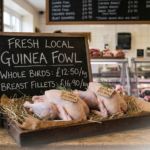
Buying a whole guinea fowl gives you the most flexibility and best value. A whole bird typically weighs between 1.2kg and 1.8kg and will serve two to three people.
Portions — breast fillets and leg quarters — are available from some butchers and are useful when you want to cook a specific method without dealing with a whole bird.
Get the latest rates with our detailed guide on Guineafowl Meat Price Per Kg (UK, US, Africa Comparison). Compare prices and plan your purchase smartly!
How to Cook Guinea Fowl Meat
Guinea fowl is not difficult to cook, but it does require a little more attention than chicken. The lean meat means it can dry out if you rush it or use too high a heat without moisture.
Spice up your meals with these easy and delicious guinea fowl meat recipes. Perfect for anyone looking to try something new in the kitchen!
Preparing Guinea Fowl
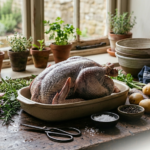
- Remove the bird from the fridge at least 30 minutes before cooking to bring it to room temperature. This ensures even cooking.
- Pat the skin dry with kitchen paper. Dry skin browns better and crisps more evenly.
- Season generously. Salt, pepper, thyme, and garlic work beautifully with guinea fowl’s mild gamey notes. Rub butter or olive oil under the skin to keep the breast moist.
- Truss the bird if roasting whole. This helps it cook evenly and keeps the shape intact.
Roasting a Whole Guinea Fowl
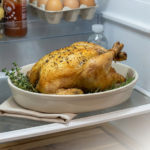
Roasting is the most popular method for a whole bird. The key is to protect the breast from drying out while giving the legs enough time to cook through.
- Preheat your oven to 200°C (fan 180°C) or gas mark 6.
- Place the bird breast-side up in a roasting tin. Add a splash of white wine or chicken stock to the base of the tin.
- Roast for 15 minutes per 500g, plus an extra 15 minutes. A 1.5kg bird will take roughly 60 minutes.
- Baste every 20 minutes to keep the skin moist.
- Check the juices by piercing the thickest part of the thigh. Clear juices mean it is cooked. Pink juices mean it needs more time.
- Rest the bird for at least 15 minutes under foil before carving. Resting redistributes the juices and prevents the meat from losing moisture when cut.
Braising Guinea Fowl Legs
Braising transforms guinea fowl legs into something truly special. The slow, moist heat breaks down the connective tissue and produces rich, tender meat.
- Season the legs with salt and pepper.
- Brown them in a heavy-bottomed pan over medium-high heat until the skin is golden. Remove and set aside.
- Soften your aromatics — onion, carrot, celery, and garlic — in the same pan.
- Add stock and wine to cover roughly two-thirds of the legs.
- Return the legs to the pan, cover with a lid, and cook at 160°C (fan 140°C) for 1.5 to 2 hours.
- Check tenderness — the meat should pull away from the bone easily.
- Reduce the braising liquid on the hob to create a sauce.
Pan-Frying Guinea Fowl Breasts
Pan-frying works well for breast fillets but requires careful temperature control.
- Season the breast and bring it to room temperature.
- Heat a little butter and oil in a heavy pan over medium-high heat.
- Cook skin-side down for 5–6 minutes until the skin is deeply golden.
- Flip and reduce the heat. Cook for a further 4–5 minutes.
- Rest for 5 minutes before slicing. This step is non-negotiable — cutting into the breast immediately will cause all the moisture to run out.
Flavour Pairings That Work Well
Guinea fowl is versatile enough to work with a wide range of ingredients.
- Herbs: Thyme, tarragon, rosemary, sage
- Fruits: Cherries, plums, apricots, lemon
- Wines: White Burgundy, Viognier, light Pinot Noir
- Vegetables: Root vegetables, wild mushrooms, leeks
- Grains: Pearl barley, lentils, creamy polenta
Common Mistakes to Avoid
- Cooking straight from the fridge. Cold meat cooks unevenly and dries out faster.
- Skipping the rest. Resting is not optional. It makes a significant difference to moisture.
- Overcooking the breast. Unlike chicken, guinea fowl breast is best served just cooked through — not pushed to well done.
- Using too high a heat for too long. Moderate, sustained heat with moisture works better than blasting at high temperature throughout.
Guinea Fowl Meat vs Chicken: Which Is Better?
This is not quite the right question. Both birds have different strengths and suit different purposes.
| Consideration | Guinea Fowl | Chicken |
|---|---|---|
| Flavour | More complex, slightly gamey | Neutral, mild |
| Nutrition | Slightly leaner, higher protein | Good protein, slightly more fat |
| Availability | Specialist, seasonal | Widely available |
| Price | Higher | Lower |
| Cooking simplicity | Requires care, less forgiving | Very forgiving |
| Sustainability | Often free-range, lower density farming | Intensive farming common |
Guinea fowl is the better choice when you want a more interesting meal and are willing to give the cooking a little more attention. Chicken wins on convenience and price.
For farmers and smallholders, guinea fowl also has a practical advantage — the birds are naturally active foragers, efficient converters of feed, and effective at pest control on the land.
Even if you’ve read about it before, there’s more to discover—dive deeper into guinea fowl meat vs chicken meat for a detailed look at taste, nutrition, and cooking tips!
Frequently Asked Questions
If you are new to guinea fowl, these are the questions that come up most often. Here are clear, straightforward answers.
Is guinea fowl healthier than chicken? In many ways, yes. Guinea fowl is slightly leaner than most chicken and tends to come from less intensive farming systems. The protein content is comparable or slightly higher, and the fat content is lower. It is not dramatically different, but it is a nutritionally strong choice.
What does guinea fowl taste like compared to pheasant? Guinea fowl is considerably milder than pheasant. Pheasant has a pronounced gamey flavour that some people find too strong. Guinea fowl gives you a hint of game without the intensity, making it far more accessible to everyday cooks.
Can you eat guinea fowl like you eat chicken? Yes, in most situations. The main differences are that guinea fowl is leaner and benefits from slightly more careful heat management. Swapping guinea fowl into most chicken recipes works well, though braised or moist-heat recipes suit it particularly.
How long does guinea fowl take to cook? A whole guinea fowl weighing 1.5kg takes roughly 60 minutes at 200°C. Leg portions braised in the oven typically take 1.5 to 2 hours at 160°C. Breast fillets in a pan take around 10–12 minutes with resting time included.
Is guinea fowl meat widely available in the UK? It is becoming more widely available, but it remains a specialist product in most areas. Farm shops, quality butchers, and online meat suppliers are the most reliable sources. Availability often increases in autumn and winter.
Can you freeze guinea fowl meat? Yes, guinea fowl freezes well. Wrap the bird or portions tightly to prevent freezer burn and use within three months for best quality. Defrost slowly in the fridge overnight before cooking.
Conclusion
Guinea fowl meat earns its place at the table on every front. It is lean, high in protein, rich in key vitamins and minerals, and more flavourful than standard chicken without crossing into the strong territory of heavier game birds.
Cooking it well comes down to a few simple principles: bring it to room temperature, manage the heat carefully, and always rest the meat before serving. Follow those steps and the results are consistently impressive.
Whether you are a curious home cook looking to try something new or a smallholder considering guinea fowl for your farm, this bird delivers on both flavour and nutrition.
Explore more of our guinea fowl guides to learn how to raise, feed, and care for these rewarding birds on your own land.