

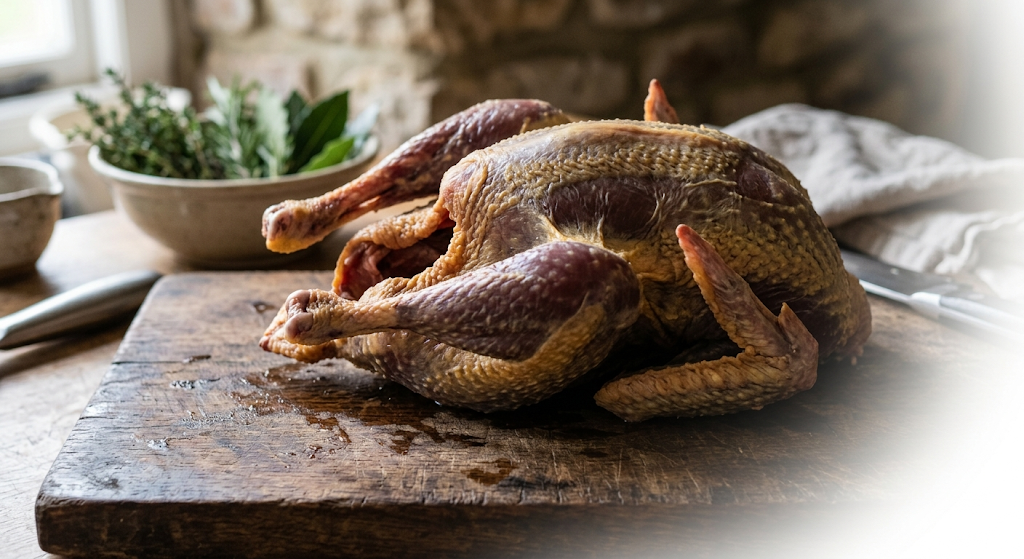
Guineafowl meat is flavourful and lean — but it can turn frustratingly tough if you’re not careful. Many first-time cooks are caught off guard by the texture, especially when they treat it like chicken.
The good news is that toughness is almost always preventable. Once you understand why it happens, fixing it is straightforward. This guide covers the exact causes of tough guineafowl meat and the best methods to make it tender, juicy, and delicious.
Why Guineafowl Meat Is Naturally Different from Chicken
Before blaming your cooking, it helps to understand what you’re working with. Guineafowl is not chicken — and cooking it the same way is where most people go wrong.
Guineafowl are active, free-ranging birds. They walk, run, and forage constantly. This lifestyle builds dense muscle tissue with less fat marbling compared to commercially raised poultry. That natural leanness is great for flavour but makes the meat less forgiving when heat is applied.
According to the Oxford Companion to Food, game-style birds with high muscle activity tend to have firmer, drier meat that requires different preparation techniques than domesticated poultry.
Understanding this from the start puts you in control of the outcome.
The Exact Reasons Guineafowl Meat Turns Tough
Toughness in guineafowl meat rarely comes from one single cause. It is usually a combination of factors — some related to the bird itself, others related to how it was cooked.
Age of the Bird at Slaughter
The older the bird, the tougher the meat. Young guineafowl (keets) slaughtered at 12 to 16 weeks typically produce the most tender meat. Birds kept for egg production or breeding that are slaughtered later in life will have noticeably firmer, chewier flesh.
Muscle fibres thicken with age, and connective tissue becomes harder to break down. If you are raising guineafowl for meat, age at slaughter matters more than almost anything else.
High Muscle Activity from Free-Range Living
Free-range guineafowl use their leg and thigh muscles constantly. This builds what is known as slow-twitch muscle fibres — dense, red, oxygen-rich tissue that contracts repeatedly throughout the day. These fibres are tougher than the fast-twitch muscle fibres found in the breast.
This is why guineafowl legs and thighs often feel tougher than the breast when cooked using dry heat methods.
Low Fat Content
Guineafowl meat is significantly leaner than chicken or duck. Fat keeps meat moist during cooking. Without it, muscle fibres dry out quickly when exposed to high heat, shrinking tightly and producing that dry, chewy result.
| Bird Type | Approximate Fat Content | Texture Notes |
|---|---|---|
| Guineafowl | Very low | Lean, flavourful, dries quickly |
| Chicken (free-range) | Moderate | Tender with correct method |
| Duck | High | Rich, stays moist easily |
| Turkey | Low-moderate | Dries in breast, tender in leg |
Low fat means you must compensate through your cooking method and any added moisture.
Cooking at Too High a Temperature
High, dry heat is the most common cause of tough guineafowl. Roasting at a high temperature without covering the bird, or grilling it like a chicken breast, causes the muscle fibres to contract sharply and squeeze out whatever moisture was there.
Unlike fattier birds that can tolerate a blast of heat, guineafowl needs a slower, gentler approach to stay tender.
Cooking for Too Short a Time
Undercooking is the other side of the same problem. Quick cooking at moderate heat may leave connective tissue in the legs and thighs partially raw. Collagen — the protein that makes connective tissue tough — only converts to soft gelatin when held at the right temperature for long enough.
Short cooking times do not give collagen the chance to break down, leaving the meat firm and stringy.
Not Resting the Meat After Cooking
Skipping the resting stage after cooking is a mistake with any meat, but especially with lean birds like guineafowl. When heat is applied, muscle fibres contract and push juices towards the centre of the meat. If you cut into it straight away, those juices run out and are lost.
Resting for at least 10 to 15 minutes allows the fibres to relax and reabsorb moisture, making every bite more tender and juicy.
Stress Before Slaughter
This is rarely discussed but genuinely relevant. Birds that experience stress before slaughter — from rough handling, fear, or poor conditions — release adrenaline that causes muscles to tense and glycogen to deplete rapidly. This leads to what food scientists call DFD meat (dark, firm, dry), which is noticeably tougher and less palatable.
Calm, low-stress handling before and during slaughter improves meat quality measurably. The Food Standards Agency (FSA) provides guidance on humane slaughter practices that benefit both welfare and meat quality.
How to Tell If Your Guineafowl Meat Will Be Tough Before Cooking
A few quick checks before you begin cooking can save a disappointing result.
- Check the bird’s age: If you raised it yourself, birds over 20 weeks are likely to need a slower cooking method regardless of other factors.
- Feel the thigh meat: A very firm, dense thigh on a raw bird suggests higher muscle development and more connective tissue.
- Notice the colour: Darker, redder meat in the thighs means higher myoglobin content from muscle activity — flavourful, but needs slow cooking.
- Assess the fat layer: Little to no visible fat under the skin signals a lean bird that will dry out fast with high heat.
Proven Methods to Fix and Prevent Tough Guineafowl Meat
The right technique makes all the difference. These methods work with the natural properties of guineafowl rather than against them.
Slow Cooking and Braising
Braising is the single most reliable method for tender guineafowl. It works by surrounding the meat in liquid and cooking it low and slow — typically 150°C to 160°C for two to three hours in a covered pot or casserole dish.
The sustained, gentle heat converts collagen to gelatin over time, resulting in meat that is soft, moist, and pulls apart easily. This method suits the legs and thighs particularly well.
How to braise guineafowl:
- Season the portions and sear briefly in a hot pan to build colour.
- Place in a heavy casserole dish with stock, wine, or a mixture of both.
- Add aromatics — onion, garlic, thyme, and bay work well.
- Cover tightly and cook at 150°C to 160°C for two to three hours.
- Rest for ten minutes before serving.
Marinating Before Cooking
Marinating helps in two ways. Acidic ingredients — such as lemon juice, wine, or yoghurt — begin to denature the surface proteins, softening the outer muscle fibres. Oils in the marinade add a layer of fat the meat is naturally missing.
A marinade works best when applied for at least four hours, or ideally overnight in the fridge.
Effective marinade ingredients for guineafowl:
- Acid: Lemon juice, white wine, buttermilk, or apple cider vinegar
- Fat: Olive oil or yoghurt
- Aromatics: Garlic, fresh herbs, black pepper, smoked paprika
- Sweetness (optional): A small amount of honey to balance acidity and encourage browning
Brining for Moisture Retention
Wet brining is one of the most effective ways to improve moisture retention in lean birds. Submerging the guineafowl in a saltwater solution (typically 60g of salt per litre of cold water) for four to eight hours before cooking draws water into the muscle fibres through osmosis.
The result is meat that stays noticeably juicier even when exposed to heat. Salt also gently denatures proteins, which contributes to a more tender texture.
For added flavour, include sugar, black peppercorns, bay leaves, and citrus zest in the brine.
Cooking the Breast and Legs Separately
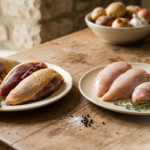
The breast and leg portions of guineafowl have very different cooking needs. The breast is lean and best cooked quickly at moderate heat, removed as soon as it reaches 74°C internal temperature. The legs and thighs benefit from long, slow braising.
Breaking the bird into portions and cooking them separately gives you far more control over the final texture of each part.
Resting the Meat Properly
Always rest guineafowl after cooking. A whole bird needs 15 to 20 minutes, loosely covered with foil. Individual portions need 8 to 10 minutes. This simple step makes a noticeable difference to tenderness and juiciness.
Using a Meat Thermometer
Guessing at doneness is risky with guineafowl. An internal temperature of 74°C in the thickest part of the breast confirms the meat is safe without being overcooked. Investing in a simple probe thermometer removes the guesswork entirely.
The NHS food safety guidance recommends checking internal temperatures for all poultry to ensure both safety and quality.
Best Cooking Methods Compared for Guineafowl
| Cooking Method | Best For | Risk of Toughness | Notes |
|---|---|---|---|
| Braising (slow cook) | Legs, thighs, whole bird | Very low | Best overall method |
| Roasting (covered) | Whole bird | Low if basted regularly | Keep covered for most of cooking |
| Pot roasting | Whole bird | Low | Similar benefits to braising |
| Pan frying | Breast only | Medium | Remove at 74°C immediately |
| Grilling | Breast only (marinated) | High if overdone | Requires careful monitoring |
| Slow cooker | Legs, thighs | Very low | Excellent for batch cooking |
Also chek these Top 10 Guinea Fowl Meat Recipes for Easy Home Cooking
Common Mistakes That Make Guineafowl Meat Tough
Even with a good cooking method, small mistakes can undo your effort.
- Roasting uncovered the whole time: This dries out the surface rapidly. Cover with a lid or foil for at least the first two-thirds of the cooking time.
- Skipping the rest: Cutting straight in after cooking sends juices running off the board rather than staying in the meat.
- Cooking from frozen without fully thawing: Uneven cooking is guaranteed. Always thaw fully in the fridge overnight before cooking.
- Using the same timings as chicken: Guineafowl needs adjustment. Its leaner profile means quicker drying and a need for more added moisture.
- Boiling rather than simmering: Rapid boiling toughens protein fibres. A gentle simmer breaks collagen down slowly without hardening the meat.
Here are the 8 common Mistakes You’re Probably Making while cooking guinea fowl.
Frequently Asked Questions About Tough Guineafowl Meat
Tough guineafowl is one of the most common problems new cooks and farmers face. Here are the questions that come up most often.
Is guineafowl meat supposed to be chewy? No. When prepared correctly, guineafowl meat should be tender and moist, with a slightly firmer texture than chicken. Chewiness usually points to overcooking with dry heat, undercooking connective tissue, or using an older bird without the right method.
Does guineafowl taste like chicken? Guineafowl has a richer, gamier flavour than standard chicken — often described as being somewhere between chicken and pheasant. The texture is leaner and slightly denser, which is why it benefits from different cooking methods.
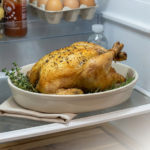
Can you eat guineafowl rare or pink? No. Like all poultry, guineafowl must reach an internal temperature of 74°C throughout to be safe. Any pink colour near the bone in the thigh means it needs more time. Use a probe thermometer to check.
How long should you marinate guineafowl before cooking? For the best results, marinate for a minimum of four hours and up to 24 hours in the fridge. Overnight is ideal. Avoid marinades with very high acid concentrations for longer than 12 hours, as they can begin to break down the surface texture too aggressively.
Is a slow cooker good for guineafowl? Yes — the slow cooker is one of the best tools for guineafowl legs and thighs. Low, sustained heat over six to eight hours breaks down connective tissue thoroughly, producing very tender, flavourful results.
Does the farming method affect how tough the meat is? Yes, it does. Intensively raised guineafowl that are kept in more confined conditions develop slightly less muscle density than fully free-range birds. Free-range guineafowl typically has richer flavour but benefits even more from slow cooking methods due to greater muscle development.
Getting Tender Guineafowl Right Every Time
Tough guineafowl meat almost always has a clear explanation — the wrong cooking method, too little moisture, an older bird, or skipping a simple step like resting. Once you understand why it happens, it becomes easy to prevent.
Slow cooking and braising are your strongest tools. Brining and marinating add further insurance against dryness. And breaking the bird into portions means you can give the breast and legs exactly what each one needs.
Apply these methods consistently and guineafowl will become one of the most rewarding birds to cook — flavourful, lean, and genuinely impressive on the plate.
Have questions about cooking guineafowl or want to share what worked for you? Leave a comment below — your experience could help another reader get it right.