Eggs are one of the most versatile foods in the world, but not all eggs are created equal. While most people are familiar with Chicken eggs, fewer have tried Guinea fowl eggs. At first glance they look similar, but once you dig deeper, the differences become surprisingly interesting.
Size and Appearance
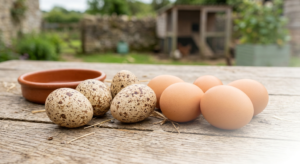
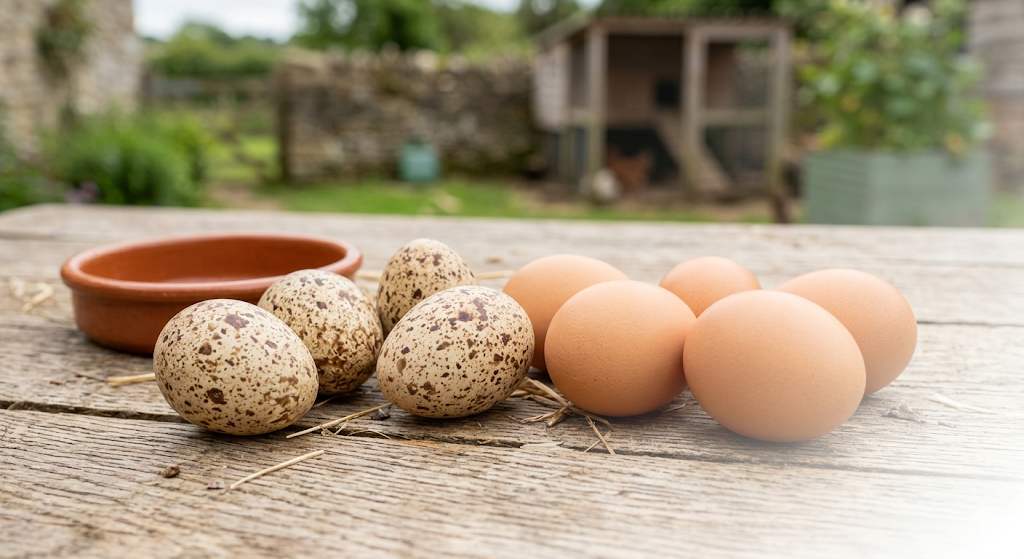
Guinea fowl eggs are noticeably smaller than chicken eggs, usually about two-thirds the size. Their shells are thicker, harder, and often have a slightly speckled or rougher texture. That thicker shell isn’t just aesthetic—it gives them a longer shelf life and better natural protection.
Chicken eggs, on the other hand, are more uniform and familiar: smooth, standardised in size, and widely available in different grades depending on farming methods.
Taste and Texture
If you’re expecting a dramatic flavour change, you might be surprised.
Guinea fowl eggs have a slightly richer, more concentrated flavour. Some people describe them as “creamier” or more “eggy,” especially when soft-boiled or fried. The yolk tends to be a bit larger relative to the white, which contributes to that richer mouthfeel.
Chicken eggs are milder and more neutral, which is exactly why they dominate baking and everyday cooking. Their balance of white-to-yolk ratio makes them extremely adaptable.
Nutrition: Are Guinea Fowl Eggs Healthier?
Nutritionally, both eggs are quite similar in macro profile—high-quality protein, healthy fats, vitamins like B12 and A, and minerals such as selenium and iron.
However, guinea fowl eggs are often reported to have:
- Slightly higher protein density (due to smaller overall water content)
- Marginally higher yolk-to-white ratio
- A richer concentration of fat-soluble vitamins per egg
That said, the differences are not large enough to make one objectively “healthier” than the other. In practice, your overall diet matters far more than the type of egg.
Cooking Differences
This is where things get interesting in the kitchen.
Guinea fowl eggs, because of their thicker shells and higher yolk ratio, behave slightly differently when cooked:
- They hold their shape very well when boiled
- They create richer fried or poached eggs
- They can make custards and sauces taste slightly more intense
Chicken eggs are more forgiving and predictable, especially in baking. Cakes, meringues, and pastries rely on their consistent structure and water content.
If you’re baking, chicken eggs are the clear winner. If you’re cooking something simple where flavour richness matters, guinea fowl eggs can be a luxurious upgrade.
Availability and Cost
In most places, including the UK, chicken eggs are widely available and relatively cheap.
Guinea fowl eggs are more niche. They’re usually found at farmers’ markets, specialty grocers, or from small-scale producers. Because guinea fowl lay fewer eggs per year and are less intensively farmed, the price is significantly higher.
This makes them more of a seasonal or gourmet ingredient rather than a daily staple.
Final Verdict
If you want reliability, versatility, and affordability, chicken eggs remain unbeatable.
But if you’re curious about deeper flavour, richer yolks, and a slightly more “wild” egg experience, guinea fowl eggs are worth trying at least once.
Think of it like this:
- Chicken eggs = everyday essential
- Guinea fowl eggs = small luxury with character
Both have their place in the kitchen—it just depends on what kind of cooking experience you’re after.