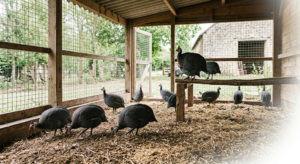
Guinea fowl eggs are becoming more popular with backyard farmers, homesteaders, and people looking for unique poultry products. If you are curious about guinea fowl eggs, this guide covers everything you need to know, including taste, nutrition, size, benefits, incubation, and how guinea fowl eggs compare to chicken eggs.
Whether you raise guinea fowl or simply want to learn more about guinea fowl eggs, this article explains the core concepts clearly and naturally.
What Are Guinea Fowl Eggs?
Guinea fowl eggs are eggs laid by guinea hens, a bird species originally from Africa. Guinea fowl are known for their loud calls, strong pest control abilities, and hardy nature. Their eggs are smaller than chicken eggs but packed with flavor and nutrients.
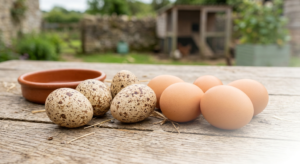
Most guinea fowl eggs have:
- A hard shell
- A pointed shape
- Cream to light brown coloring
- Speckled patterns
Because guinea fowl are seasonal layers, guinea fowl eggs are usually available during warmer months.
What Do Guinea Fowl Eggs Taste Like?
Many people describe guinea fowl eggs as richer and creamier than chicken eggs. The yolks are often larger in proportion to the egg size, which gives guinea fowl eggs a more intense flavor.
Guinea fowl eggs taste:
- Rich and savory
- Slightly gamey
- Creamy in texture
- Similar to chicken eggs but stronger
Chefs and home cooks often use guinea fowl eggs in:
- Omelets
- Baking
- Custards
- Pasta dishes
- Gourmet breakfast recipes
Because the flavor is concentrated, guinea fowl eggs are popular among food enthusiasts.
Are Guinea Fowl Eggs Healthy?
Yes, guinea fowl eggs are highly nutritious. Like other poultry eggs, guinea fowl eggs contain protein, vitamins, and healthy fats.
Nutritional Benefits of Guinea Fowl Eggs
Guinea fowl eggs may provide:
- High-quality protein
- Vitamin A
- Vitamin B12
- Iron
- Selenium
- Healthy fats
The thick shell of guinea fowl eggs also helps protect the contents from bacteria and damage.
Many homesteaders prefer guinea fowl eggs because they are natural, nutrient-dense, and often produced in free-range environments.
Guinea Fowl Eggs vs Chicken Eggs
One of the most common questions is how guinea fowl eggs compare to chicken eggs.
Size
Guinea fowl eggs are smaller than standard chicken eggs. However, the yolk-to-white ratio is often higher.
Shell Strength
Guinea fowl eggs have thicker and harder shells than chicken eggs. This helps them stay fresh longer.
Flavor
Guinea fowl eggs usually have a richer flavor than chicken eggs.
Availability
Chicken eggs are widely available year-round, while guinea fowl eggs are more seasonal.
How Many Eggs Do Guinea Fowl Lay?
A healthy guinea hen can lay between 60 and 120 guinea fowl eggs per year depending on:
- Diet
- Climate
- Breed
- Living conditions
- Predator stress
Guinea fowl usually begin laying in spring and continue through summer.
Unlike chickens, guinea hens often hide their nests in tall grass or secluded areas. Finding guinea fowl eggs can sometimes become a daily treasure hunt for farmers.
Can You Eat Guinea Fowl Eggs?
Absolutely. Guinea fowl eggs are fully edible and safe to eat when properly handled and cooked.
Many people enjoy guinea fowl eggs because:
- They are flavorful
- They are nutrient-rich
- They work well in recipes
- They are considered a specialty food
Because guinea fowl eggs are smaller, recipes may require more eggs compared to chicken eggs.
Cooking With Guinea Fowl Eggs
Guinea fowl eggs can be cooked in almost every way chicken eggs are cooked.
Popular cooking methods include:
- Scrambled guinea fowl eggs
- Fried guinea fowl eggs
- Boiled guinea fowl eggs
- Poached guinea fowl eggs
Their rich yolks also make guinea fowl eggs excellent for baking cakes, pastries, and homemade pasta.
Incubating Guinea Fowl Eggs
Many backyard poultry keepers incubate guinea fowl eggs to hatch keets (baby guinea fowl).
Guinea Fowl Egg Incubation Basics
Guinea fowl eggs typically incubate for about 26 to 28 days.
Successful incubation depends on:
- Stable temperature
- Proper humidity
- Egg turning
- Clean incubation conditions
Because guinea fowl eggs have thick shells, humidity management is especially important during hatching.
Storing Guinea Fowl Eggs
Thanks to their hard shells, guinea fowl eggs often stay fresh longer than chicken eggs.
Storage tips:
- Keep guinea fowl eggs refrigerated
- Avoid washing before storage
- Store pointed end down
- Use within several weeks for best quality
Fresh guinea fowl eggs maintain excellent flavor and texture when stored properly.
Why People Raise Guinea Fowl for Eggs
Many small farmers raise guinea fowl for more than just eggs. Guinea fowl are valued for:
- Tick control
- Insect control
- Natural alarms against predators
- Hardy survival skills
Still, guinea fowl eggs remain a major reason people keep these birds. Their unique taste and specialty appeal make guinea fowl eggs desirable in local food markets.
Are Guinea Fowl Eggs Worth Trying?
If you enjoy farm-fresh foods, guinea fowl eggs are definitely worth trying. Their rich flavor, strong shells, and nutritional value make them an interesting alternative to chicken eggs.
People who appreciate sustainable farming and backyard poultry often love guinea fowl eggs for their:
- Distinct taste
- Natural production
- Culinary versatility
- Nutritional benefits
Final Thoughts on Guinea Fowl Eggs
Guinea fowl eggs are a unique and nutritious option for anyone interested in poultry, homesteading, or gourmet cooking. From their rich flavor to their durable shells, guinea fowl eggs offer many advantages over standard eggs.
Whether you want to raise guinea fowl, incubate guinea fowl eggs, or simply cook with them, these eggs provide a flavorful and rewarding experience.
As more people discover guinea fowl eggs, their popularity continues to grow among backyard farmers, chefs, and food enthusiasts alike.