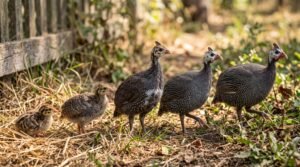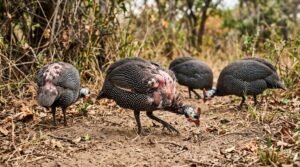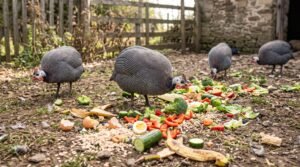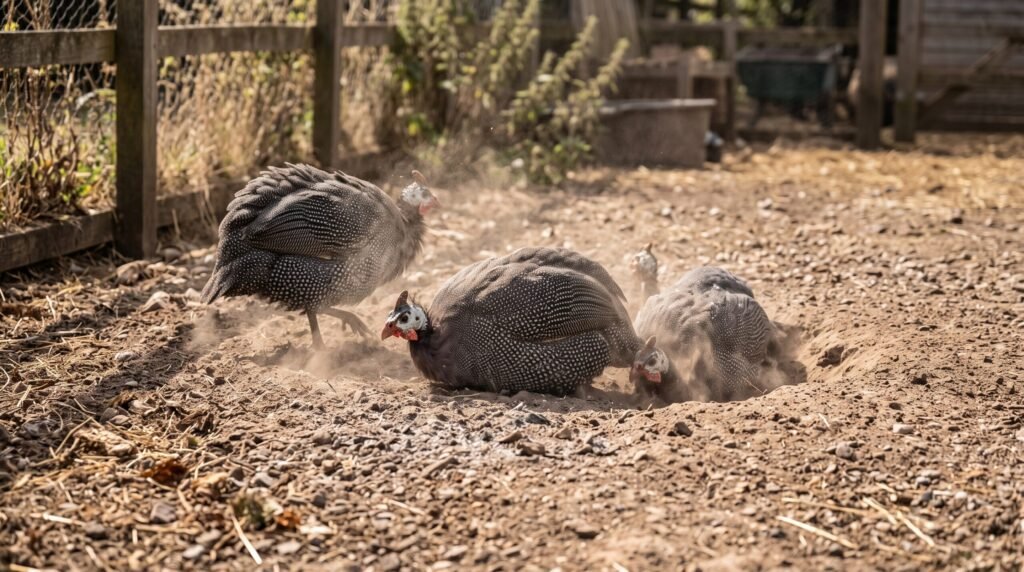
Guinea fowl dust bathe to clean their feathers, control lice and mites, and keep their skin healthy — it’s an instinct, not a quirky habit, and every bird in your flock will look for a way to do it. If you’ve ever caught your guineas flopped sideways in a dirt pit, wings flung out and looking half-dead, you know exactly the scene I mean.
The first time I saw it happen, I genuinely thought something was wrong. My whole covey was sprawled in a dusty hollow under the coop, barely moving, feathers puffed out at odd angles. I nearly called it an emergency. It wasn’t. It was just Tuesday.
In this guide, I’ll explain what’s actually happening when your guineas dust bathe, why it matters more than most new keepers realize, and exactly how to set up a dust bath they’ll actually use — including what to put in it and what to leave out.
Here’s a quick look at what a good guinea fowl dust bath needs:
| Feature | Why it matters |
|---|---|
| Loose, dry soil or sand | Lets birds work material deep into feathers and skin |
| Dry, sheltered spot | Wet dust clumps and becomes useless — even harmful |
| At least 2–3 feet of space per bathing bird | Guineas often bathe in groups and need room to fling dirt |
| Optional additives (wood ash, diatomaceous earth) | Boost parasite control beyond plain dirt |
| Away from prized garden beds | Guineas will dig their own pit wherever they please |
Why Guinea Fowl Dust Bathe
Dust bathing looks chaotic, but it’s one of the most purposeful things a guinea fowl does all day.
It’s Built-In Feather Maintenance
Guinea fowl, like most birds, have a preen gland near the base of the tail that produces oil. That oil keeps feathers flexible and somewhat water-resistant, but it builds up over time and needs to be redistributed and refreshed. Rolling in dust helps strip out the old, stale oil and debris so the bird can preen fresh oil back through clean feathers. According to research summarized by ScienceDirect, this lipid removal and renewal is considered the primary function of the whole ritual, not just a side effect of playing in the dirt.
It Suffocates External Parasites
This is the part that matters most for anyone raising guineas outdoors. Dust bathing coats a bird’s skin and feather shafts in fine particles that work into the spaces where lice and mites like to hide. The dust interferes with the parasites’ ability to breathe and move, which helps knock down populations before they get out of hand. If you free-range your flock, this natural defense is doing a lot of quiet work you’d otherwise have to manage with chemical treatments — which ties directly into the broader picture of keeping external parasites off your flock.
It’s a Social Ritual, Too
Guineas rarely dust bathe alone. You’ll usually see two or three birds piled into the same shallow pit, tossing dirt over themselves and each other in what looks like total pandemonium. It’s normal, and honestly one of the more entertaining parts of keeping them — right up there with their noisy, dramatic personalities in terms of things that make guinea fowl guinea fowl.
A Bird That Can’t Dust Bathe Isn’t a Happy Bird
If guineas are kept on wire floors or bare concrete with no access to loose material, they’ll still go through the motions — scratching and rolling on a hard surface with nothing to work into their feathers. That’s called sham dust bathing, and it’s generally seen as a sign the bird’s needs aren’t being met. It’s one more reason free-ranging or at least partial outdoor access matters so much for overall guinea fowl behavior and welfare.
Signs Your Guineas Need (or Are Enjoying) a Dust Bath
- Scratching at a patch of dirt with one foot, then the other
- Squatting and wiggling down into loose soil
- Flinging dirt or dust up over the back and wings with quick shakes
- Lying flat on one side, sometimes with a leg or wing stretched out
- A big full-body shake at the end to throw off the excess dust
- Several birds crowding into the same shallow pit at once
If you see this and the bird looks otherwise alert and eats normally afterward, there’s nothing to worry about. It only becomes a concern if a bird seems lethargic, stays down too long, or shows other signs of illness alongside it.
How to Provide a Dust Bath for Guinea Fowl
The good news is that guinea fowl are far less picky than chickens about this. Give them a dry patch of loose earth and they’ll usually take it from there — but a little setup goes a long way, especially if you want to keep them out of your flower beds.
Pick the Right Spot
Guineas naturally gravitate toward bare, sunny-but-shaded ground — often under a tree, next to the coop, or in any spot where grass has already worn away. If you let them choose, they will, and it might not be where you’d prefer. A few things to keep in mind:
- Choose a spot with some overhead cover so the area stays dry through rain.
- Avoid low spots where water pools after storms.
- If you don’t want them digging in your garden, till a dedicated patch elsewhere first — guineas that already have a good pit are far less likely to start a new one in your flower beds.
Build or Fill the Bath
You don’t need anything elaborate. A shallow depression in the ground works, but a contained option — an old tub, a low wooden frame, or a livestock mineral tub cut down — helps keep the material from washing away or scattering everywhere.
Fill it a few inches deep with:
- Loose, dry soil or fine sand as the base — this is really all that’s required.
- Wood ash (from untreated wood only) mixed in for extra parasite control.
- Food-grade diatomaceous earth, used sparingly, as an additional pest deterrent.
- Dried herbs like lavender, mint, or rosemary, which some keepers add for their mild pest-repelling scent.
A simple starting ratio that works well: two parts dry dirt or sand to one part wood ash, with a light dusting of diatomaceous earth mixed through — not layered on top, where it’s more likely to be inhaled in a concentrated puff.
Keep It Dry and Topped Up
Wet dust doesn’t work — it clumps instead of sifting through feathers, and it can grow mold or harbor bacteria. Check the bath after heavy rain and rake it or replace the top layer if it’s gotten soggy. Guineas will hollow out their pit over time and scatter material outward as they bathe, so plan on topping it off every few weeks.
Give Them Enough Room
Because guinea fowl often bathe in small groups, a single bath the size of a dinner plate won’t cut it for a flock of six or eight birds. Aim for a bathing area at least a few feet across so multiple birds can use it without constantly jostling for space — this matters just as much outdoors as it does when you’re working out general housing and space requirements for the rest of the setup.
Let Free-Ranging Do Some of the Work
If your guineas free-range even part of the day, they’ll likely find or create their own dust bathing spots without much help from you. A designated bath is still worth having near the coop for bad weather or for keets and adults who spend more time confined, but don’t be surprised if the flock has its own favorite patch of bare dirt somewhere on the property that you didn’t build yourself.
What to Avoid in a Guinea Fowl Dust Bath
- Scented or clumping cat litter — the fragrances and clumping agents aren’t meant for birds and can cause irritation.
- Ash from treated wood, charcoal briquettes, or anything with lighter fluid residue — stick to plain, untreated wood ash only.
- Heavy-handed diatomaceous earth — a little goes a long way, and too much airborne dust can irritate lungs, bird and human alike.
- Standing water nearby — a dust bath that floods or stays damp will do more harm than good.
Final Thoughts
Dust bathing isn’t optional grooming for guinea fowl — it’s how they manage parasites, refresh their feathers, and stay comfortable, especially if they spend a lot of time outdoors. Giving them a dry, roomy, well-placed spot to do it costs you very little and saves you from bigger headaches with mites and lice down the road.
Have you noticed your flock digging their own dust bath spot somewhere you didn’t expect? I’d love to hear where yours ended up claiming as their own. And if parasite control is on your mind beyond just the dust bath, it’s worth reading up on the broader side of guinea fowl health and disease management as well.
FAQ
How often do guinea fowl dust bathe?
Most guinea fowl will dust bathe at least once a day when given free access to a good spot, often more in warm, dry weather. It’s a normal daily maintenance behavior rather than an occasional one.
Can guinea fowl share a dust bath with chickens?
Yes. If you keep a mixed flock, guineas will usually adopt whatever dust bathing area the chickens already use rather than insist on a separate one — just make sure it’s large enough for everyone.
Is it bad if my guinea fowl dust bathes in the rain or mud?
Guinea fowl dust bathe in dry material, not mud — if you see a bird rolling in wet dirt, it’s likely just trying to cool off or is dealing with a bath area that’s become soggy and needs to be refreshed.
Do baby guinea keets need a dust bath too?
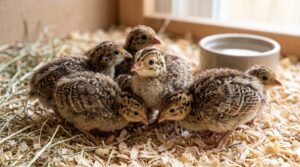
Young keets will often start attempting dust bathing within their first few days on a suitable brooder substrate like sand, even before they’re fully coordinated at it. It’s instinctual from a very early age.
Hi, I’m Rayyan. I raise guinea fowl and share practical, research-backed guides for backyard keepers and homesteaders. I combine hands-on flock experience with trusted poultry management and university extension resources to help you raise healthier, more productive birds — with confidence, not guesswork.