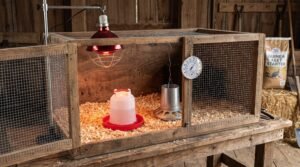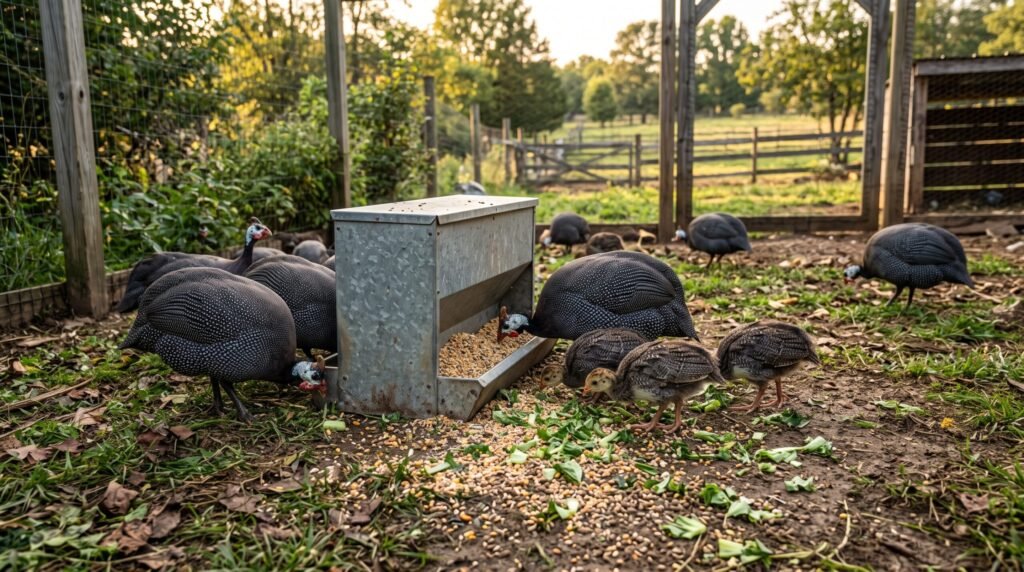
Keets need feed in front of them nearly all the time, split into three or four small feedings a day, while adult guinea fowl usually do fine on one to two feedings daily once they’re free-ranging. The right schedule really comes down to age, though — a bird’s stomach, protein needs, and foraging ability change a lot between hatch day and full maturity, and your feeding routine should shift right along with them.
I get asked about this constantly, usually by someone who just brought home their first batch of keets and is worried about overfeeding, underfeeding, or just getting the timing wrong. It’s a fair worry. Guinea fowl aren’t quite chickens — they grow fast, they’re pickier about protein early on, and once they’re adults, they’d honestly rather spend the day hunting bugs than standing at a feeder. By the end of this guide, you’ll know exactly how often to feed at every stage, roughly how much, and how to tell if your schedule actually needs adjusting.
| Age | Feed Type | Feedings Per Day | Notes |
|---|---|---|---|
| 0–5 weeks | Game bird/turkey starter (24–26% protein) | 3–4, feed available nearly constantly | Crops empty fast at this age; don’t let feed run out |
| 5–8 weeks | Grower feed (18–20% protein) | 2–3 | Can start stretching gaps between feedings |
| 8–16 weeks | Grower feed, transitioning toward flock raiser | 2 | Foraging instinct kicks in if they’re outside |
| 16–24 weeks | Gradual transition to layer feed | 1–2 | Free-range access starts cutting feed consumption noticeably |
| 24+ weeks (adult) | Layer feed (12–16% protein) | 1–2 | Once daily in warm months is common; twice in winter or when confined |
The First 5 Weeks: Nearly Constant Access
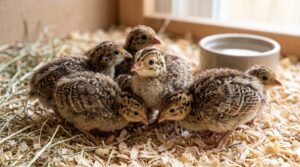
This is the stage where I see people underfeed without meaning to. A keet’s stomach is tiny, and at this age they’re burning through energy fast just to grow feathers and stay warm. Breaking the day’s ration into two or three smaller portions rather than one big dump helps keep their digestion steady and stops them from gorging and then crashing.
I keep starter feed in front of my keets basically around the clock for this whole stretch. It’s messier than a strict schedule, but keets this young don’t self-regulate the way older birds do, and an empty feeder for even a few hours can set growth back. This is also the window where they need a genuinely high-protein starter — somewhere in the 24 to 26 percent range — since regular chick feed doesn’t have enough punch to support how fast they’re growing.
A few things I’ve learned to watch for at this stage:
- Crumble size matters. Keets can struggle with pellets meant for adult birds, so stick with crumbles or finely ground starter.
- Water needs to sit right next to the feed. Keets that wander too far between the two often just stop eating.
- Some keepers reach for medicated starter to cut the risk of coccidiosis, especially in humid weather. That’s a personal call, but worth discussing with your feed supplier if you’re new to it.
Weeks 5–8: Two to Three Feedings, Lower Protein
Once keets hit five weeks, their growth rate starts to level off a little, and you can afford to space feedings out more. This is generally when they move onto a grower feed with somewhat less protein — around 18 to 20 percent — which carries them through to roughly eight weeks old. I usually drop from constant access to two or three checks a day: morning, midday if I’m around, and evening.
This is also around when feathers fill in enough that keets can handle a bit more temperature swing, so they’re moving around more and eating in bursts rather than picking constantly. If yours are still in a brooder, you’ll notice they empty the feeder faster in one sitting and then ignore it for a while — that’s normal, and it’s a sign you can start stretching the intervals between fillings.
Weeks 8–16: Settling Into a Twice-Daily Rhythm
By eight weeks, most keets are fully feathered and ready to spend time outside the brooder, which usually lines up with when they can start acclimating to their permanent outdoor housing. This is usually where I switch to a firm two-feedings-a-day pattern — one in the morning, one in the evening — regardless of whether they’re free-ranging yet.
If they do have any outdoor access at this stage, don’t expect it to replace feed entirely. They’re still building their foraging skills, and a young guinea fowl that hasn’t learned to hunt efficiently yet can lose condition fast if you pull feed away too early. Keep offering full meals twice a day and just let outdoor time supplement it.
Weeks 16–24: Transitioning to Adult Feed and Fewer Meals
This stretch is really about the feed transition more than the schedule itself. Most keepers move keets from starter or grower feed onto layer feed somewhere in this window, once the birds are close to adult size or their growth visibly slows. I’d rather go by body condition than a strict calendar date — a bird that’s still noticeably filling out might need another couple weeks on grower feed before the switch.
Make the switch gradually. Mixing the new feed in with the old over several days keeps digestive upset to a minimum, which matters more with guinea fowl than people expect — they can be surprisingly fussy about sudden feed changes and will sometimes just refuse to eat a feed that looks or smells different.
Feeding frequency during this window usually settles into once or twice a day, and by the tail end of it, most of my birds are eating like adults.
Adult Guinea Fowl: One to Two Feedings a Day
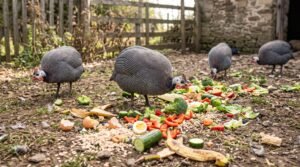
Once guinea fowl are fully grown — generally past 24 weeks — feeding gets a lot simpler, mostly because the birds start doing a lot of the work themselves. Adults that get real free-range time are genuinely good at meeting most of their own nutritional needs, working through insects, weed seeds, slugs, worms, and whatever else they turn up. If yours have that kind of access, you’ll notice feed consumption drop off noticeably.
That said, “they forage for themselves” doesn’t mean “skip feeding.” A regular feed schedule still matters, for two reasons: it keeps their nutrition consistent when bug supply is low, and it gives them a reason to come back to the coop every evening — which matters a lot for keeping them safe from predators overnight.
How often to feed adults:
- Once a day, typically in the evening — common for free-ranging flocks in warmer months, when bugs and greens make up a big share of their diet.
- Twice a day — morning and evening — for confined birds, or during colder months when there’s less to forage. Plenty of keepers land on something like once a day in summer and twice in winter, offering just enough that the tray is licked clean rather than left half full.
On amount, adult guinea fowl typically land somewhere around a quarter to half a pound of feed a day, though free-rangers on the lower end of that range are common once they’re skilled foragers. I’ve found mine eat noticeably less feed in summer than in the dead of winter, when there’s simply less to hunt outside.
A pattern worth knowing: guinea fowl tend to graze lightly through the day but really go after their feed first thing in the morning and again right before heading up to roost at night. If you’re only feeding once a day, evening is usually the better slot — it reinforces the habit of coming home to roost, which helps enormously with predator management.
Signs Your Feeding Schedule Needs Adjusting
A schedule that works on paper doesn’t always match what your specific flock needs. A few signs I watch for:
- Feed disappearing too fast or sitting untouched — either points to a portion size that’s off for your flock size.
- Birds crowding the feeder at odd hours — can mean they’re not getting enough at the scheduled feedings.
- Weight loss or slow growth in keets — almost always a sign feed access needs to increase, not decrease.
- Aggressive competition at the feeder — sometimes a spacing issue rather than a schedule issue; more feeder space can solve it faster than more feedings.
If you’re seeing any of these, it’s worth adjusting one variable at a time — amount, frequency, or feeder placement — rather than overhauling the whole routine at once.
Final Thoughts
The short version: keets need food almost constantly for the first several weeks, tapering to two feedings by two months old, and adults generally settle into one or two feedings a day depending on how much they’re free-ranging and the season. Watch your birds’ condition and feed consumption more than the clock, and adjust as they grow.
How does your flock’s feeding routine compare — are your adults mostly foraging, or still relying on regular feedings? If you’re still working out amounts alongside timing, my guinea fowl feed calculator can help you dial in portions for your flock size. And if you’re just getting keets started, it’s worth reading through what a complete feeding guide covers on diet composition alongside this schedule.
Frequently Asked Questions
Can I free-feed guinea fowl instead of following a schedule?
For keets under five weeks, yes — constant access is actually the better approach. For adults, free-feeding works fine too, especially with free-range birds, as long as you’re checking that feed isn’t going stale or attracting pests. Many keepers just prefer a set schedule because it reinforces the birds returning to the coop at night.
Do guinea fowl need to be fed differently in winter?
Yes. With less natural foraging available, most keepers add a second daily feeding in winter even for flocks that eat once a day the rest of the year. Cold weather also increases their energy needs, so don’t be surprised if winter consumption climbs even with the same number of feedings.
What happens if I skip a feeding?
One missed feeding for adult birds with good free-range access usually isn’t a big deal. For keets, though, even a few hours without food can matter, since their energy reserves are so limited at that age. If you’re going to be away, it’s worth having someone else handle feedings for young birds specifically.
How do I know when to stop feeding keets constantly and switch to a schedule?
Watch their feathering and activity level more than a strict week count. Once keets are fully feathered — usually around 6 to 8 weeks — and clearly more mobile and independent, that’s your cue to start spacing feedings into two or three set times a day.
Hi, I’m Rayyan. I raise guinea fowl and share practical, research-backed guides for backyard keepers and homesteaders. I combine hands-on flock experience with trusted poultry management and university extension resources to help you raise healthier, more productive birds — with confidence, not guesswork.