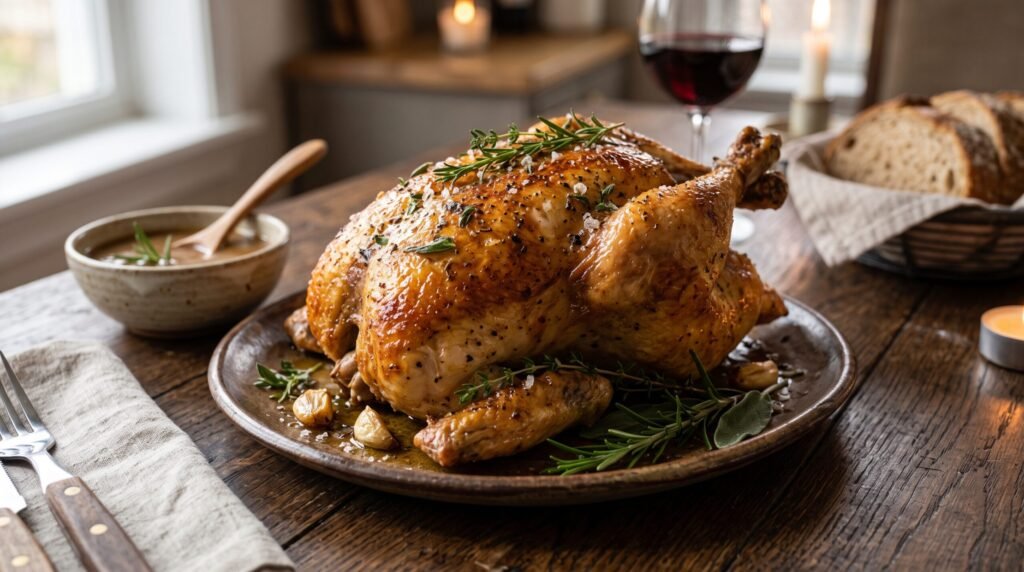
Guinea fowl meat is a lean, high-protein poultry with a richer, slightly gamey flavor than chicken and a fraction of the fat you’d find in most other meats. If you’ve never cooked with it before, this is everything I’ve learned from raising, processing, and eating it myself.
I still remember the first time I roasted one for my family. I expected something close to a tough, overly wild-tasting game bird. What came out of the oven instead was dark, tender meat with a flavor deeper than chicken but nowhere near as strong as pheasant. That contradiction — familiar enough to cook like chicken, interesting enough to actually get excited about — is why guinea fowl has slowly worked its way onto more homestead tables and restaurant menus.
In this guide, I’ll break down what guinea fowl meat actually tastes like, how its nutrition compares to chicken and turkey, the health benefits it brings to the table, and how to cook it so it turns out moist instead of dry.
- Flavor: Richer and slightly gamey compared to chicken, often compared to pheasant, but without an overpowering “wild” taste
- Texture: Firmer and darker than chicken breast, even in the “white” breast meat
- Protein: Roughly 23–26g per 100g, on par with or higher than chicken breast
- Fat: Noticeably lower than chicken, especially in saturated fat
- Best for: Roasting, braising, stewing, and frying — most chicken and turkey recipes translate directly
- Where to find it: Specialty butchers, online game meat suppliers, or raising your own birds
What Does Guinea Fowl Meat Taste Like?
Guinea fowl tastes like a richer, more flavorful version of chicken, with a hint of the earthiness you’d get from pheasant, but without the strong “gamey” bite that turns a lot of people off wild birds. The breast meat looks pale before cooking and stays pale after, so it’s genuinely closer to white meat than the dark appearance of raw guinea fowl might suggest.
What throws people off at the butcher counter is the color of the raw meat. It looks darker and denser than a chicken breast, almost concerning if you’ve never bought it before. Cooked, though, it lightens up and eats like a firmer, juicier chicken breast with more character.
A few comparisons come up again and again from people who’ve actually cooked and eaten it:
- Compared to chicken: More flavor, denser texture, less moisture loss when cooked properly
- Compared to turkey: Similar leanness, but guinea fowl holds moisture better and doesn’t dry out as easily
- Compared to pheasant: Milder, more approachable — guinea fowl is often called a “beginner’s game bird” for exactly this reason
Because the meat is so lean, it dries out fast if you overcook it. I treat it the way I treat a good turkey breast — moist-heat methods like braising or a covered roast with plenty of basting give the best results, and pulling it at medium doneness rather than well-done keeps it from turning tough.
Guinea Fowl Meat Nutrition Facts
Guinea fowl is one of the leanest, most protein-dense poultry meats available, delivering roughly 23 to 26 grams of protein and as little as 2 to 3 grams of fat per 100 grams of raw, skinless meat. That protein-to-fat ratio is what keeps coming up whenever guinea fowl gets compared to chicken or turkey — it consistently comes out ahead or roughly even, while offering noticeably less fat.
Here’s a rough breakdown for a 100g serving of raw, skinless guinea fowl meat. These numbers shift depending on the bird’s age, diet, and how active it’s been, since guinea fowl that free-range and forage tend to build leaner muscle than confined birds.
| Nutrient | Guinea Fowl (per 100g, raw) | Chicken Breast (per 100g, raw) |
|---|---|---|
| Calories | ~110–130 kcal | ~120 kcal |
| Protein | ~23–26g | ~22–23g |
| Fat | ~2–3g | ~2–3g |
| Iron | Higher, haem iron | Lower |
| B Vitamins | Rich in B3, B6, B12 | Rich in B3, B6 |
A couple of things stand out when you look at those numbers side by side. First, guinea fowl holds its own against chicken breast on protein while sometimes edging it out slightly, which is impressive for a bird that also carries noticeably more flavor. Second, the fat that is there leans toward unsaturated fat, which matters more for heart health than the total fat number alone.
The bird is also a solid source of B-group vitamins — particularly niacin (B3), B6, and B12 — which play a role in converting food into usable energy and supporting normal nervous system function. A single 100g serving can cover a meaningful share of your daily niacin needs on its own.
Health Benefits of Eating Guinea Fowl Meat
Guinea fowl’s biggest health advantage is its combination of high protein and low saturated fat, which supports muscle maintenance, keeps you full longer, and is generally easier on the heart than fattier cuts of meat. Here’s how that plays out in practice:
- Supports muscle maintenance and recovery. The high protein content provides the essential amino acids your body needs to repair and build muscle tissue, which is part of why it’s popular with people focused on strength training or general fitness.
- Naturally low in saturated fat. Compared to fattier poultry and red meat, guinea fowl’s fat content skews unsaturated. The American Heart Association recommends choosing lean, skinless poultry over fattier cuts of meat as part of a heart-healthy eating pattern, and guinea fowl fits that profile well.
- A good source of haem iron. Haem iron — the type found in animal meat — has meaningfully higher bioavailability than the non-haem iron found in plant foods, making guinea fowl a useful option for people watching their iron intake.
- Rich in B vitamins for energy metabolism. Niacin, B6, and B12 all support how your body converts food into usable energy, plus normal nervous system and red blood cell function.
- Contains zinc for immune support. Zinc plays a role in wound healing and immune defense, and it’s present in meaningful amounts in guinea fowl meat.
- Lower calorie density than many red meats. Because it’s lean, you get a substantial protein hit without the calorie load that comes with fattier cuts, which can help with weight management goals.
None of this makes guinea fowl a miracle food — it’s still meat, and moderation and overall diet quality matter more than any single ingredient. But if you’re already eating poultry regularly, swapping in guinea fowl from time to time is a reasonable way to add variety without adding much fat.
It’s worth noting, like most meats, guinea fowl does contain cholesterol and should be cooked to a safe internal temperature to avoid foodborne illness — the same food safety basics that apply to chicken and turkey apply here too.
How to Cook Guinea Fowl Without Drying It Out
Because guinea fowl is so lean, the single biggest cooking mistake is treating it like a fatty chicken thigh and walking away from the oven. A few methods consistently give the best results:
- Roasting — Cook low and slow, basting regularly or barding the breast with bacon or butter to add moisture back in.
- Braising — Brown the bird first, then finish it slowly in stock or wine with vegetables. This is the most forgiving method for beginners.
- Frying — Works well for cut pieces, similar to how you’d fry chicken, and helps lock in moisture.
- Stewing — Ideal for older or tougher birds, and a great way to use the whole carcass, bones included, for a flavorful stock.
I pull mine at medium doneness rather than pushing it all the way to well-done. Guinea fowl breast dries out fast once it crosses that line, and a few minutes of resting time under foil after cooking makes a bigger difference than people expect.
If you’re sourcing guinea fowl for the first time rather than raising it yourself, it helps to know what a fair price looks like and which sellers actually carry it — I cover that in more detail in my guide to guinea fowl meat prices and where to buy it.
Frequently Asked Questions
Is guinea fowl meat healthier than chicken?
Guinea fowl is generally comparable to or slightly leaner than chicken breast, with a similar or higher protein content and a similar amount of total fat. The main practical difference is flavor and iron content rather than a dramatic nutritional gap.
Does guinea fowl meat taste gamey?
It has a mild gaminess, more pronounced than chicken but noticeably milder than pheasant or other wild game birds. Most people who try it describe it as “chicken with more flavor” rather than a strong game taste.
Is guinea fowl meat dark or white meat?
Guinea fowl breast is technically white meat, but it looks darker than chicken when raw. Once cooked, it lightens to a pale color similar to other white poultry meat, though the texture stays firmer and denser than chicken.
Can you eat guinea fowl the same way you eat chicken?
Yes. Guinea fowl works in nearly any recipe written for chicken or turkey — roasted, braised, fried, or stewed — with the main adjustment being a shorter cook time or more moisture to prevent the lean meat from drying out.
I’d love to hear how your own guinea fowl dishes turn out, especially if you’ve found a cooking method that keeps the breast meat consistently moist. If you’re just getting started with the birds themselves rather than the dinner plate, my guide to helmeted guinea fowl care and housing is a good next stop, and if eggs are more your focus, I’ve also written about guinea fowl egg nutrition and health benefits.
Hi, I’m Rayyan. I raise guinea fowl and share practical, research-backed guides for backyard keepers and homesteaders. I combine hands-on flock experience with trusted poultry management and university extension resources to help you raise healthier, more productive birds — with confidence, not guesswork.