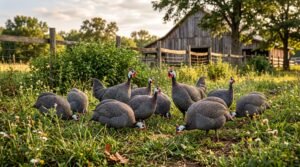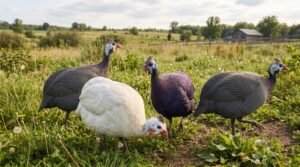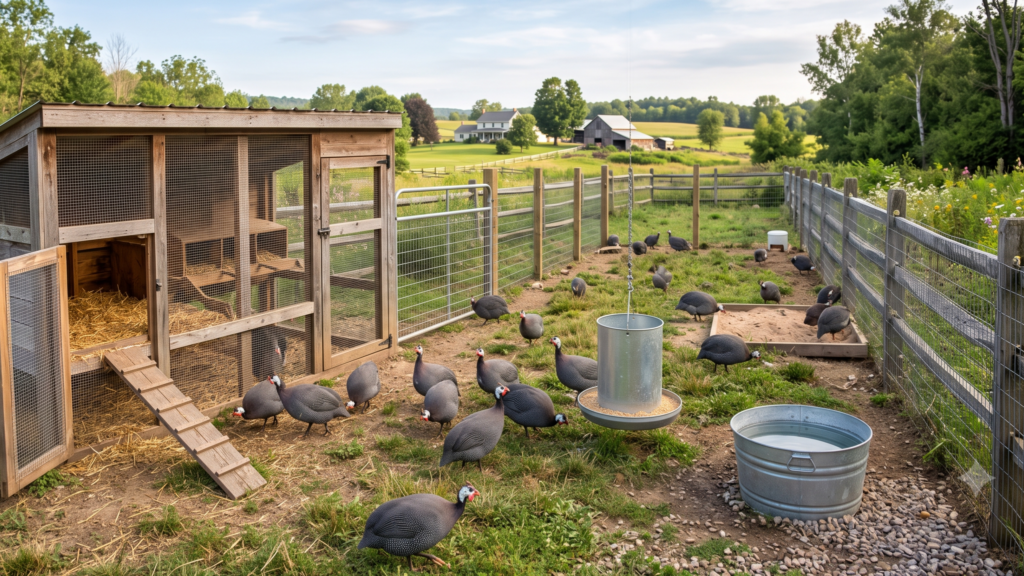
Guinea fowl cost between $400 and $1,200 to set up for a small flock of 6-10 birds, plus $150 to $400 per year to maintain afterward. The exact number depends on whether housing is built from scratch or repurposed, how many birds are kept, and local feed prices. This breakdown covers every major expense category so you can build a realistic budget before bringing birds home.
Guinea Fowl Startup and Annual Costs at a Glance
| Expense Category | One-Time Setup Cost | Annual Ongoing Cost |
|---|---|---|
| Keets or adult birds (6-10) | $60 – $250 | $0 – $50 (replacement) |
| Housing / coop | $200 – $800 | $20 – $50 (repairs) |
| Fencing | $100 – $400 | $10 – $30 |
| Feeders and waterers | $30 – $80 | $0 – $20 (replacement) |
| Brooder setup (if starting from keets) | $50 – $120 | N/A |
| Feed | N/A | $150 – $350 |
| Bedding | N/A | $30 – $60 |
| Health supplies | $20 – $40 | $15 – $40 |
| Estimated Total | $460 – $1,690 | $225 – $550 |
These ranges assume a small backyard flock. Larger flocks raised for eggs, meat, or tick control at scale will shift costs upward, particularly for feed and housing square footage.
Initial Setup Costs for a Guinea Fowl Flock
Startup costs cover everything needed before the first bird arrives, and they represent the largest single expense in guinea fowl keeping. Most first-year budgets are dominated by housing and fencing rather than the birds themselves.
Buying Keets or Adult Guinea Fowl
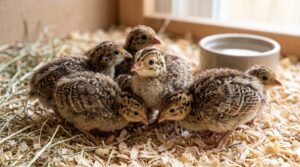
Keets (baby guinea fowl) typically cost $6 to $15 each depending on breed and hatchery, while sexed adults run $20 to $40 per bird. A starter flock of 6-10 keets costs $60 to $150, and the same flock size in adults costs $150 to $400. Buying keets is cheaper upfront but requires brooder equipment and carries higher mortality risk during the first six weeks, and price varies further once you start comparing guinea fowl breeds and varieties rather than buying whatever a hatchery has on hand.
Brooder Setup for Keets
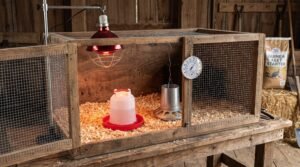
A brooder setup runs $50 to $120 and includes a heat source, brooder box or plastic tub, chick-safe waterer, and starter feeder. Keets need supplemental heat until roughly six weeks old, so a heat lamp or radiant brooder plate is non-negotiable. Skipping this step is the single most common cause of early keet losses, which then forces a costly re-purchase of replacement birds.
Housing and Coop Construction
Housing costs range from $200 for a converted shed to $800 or more for a purpose-built coop, and this is typically the largest line item in a first-year budget. Guinea fowl need roughly 2-3 square feet of coop space per bird plus secure roosting bars set higher than standard chicken perches, since guineas strongly prefer to roost off the ground, a preference worth planning around before finalizing coop dimensions and layout.
Repurposing an existing shed or unused chicken coop can cut this cost by 50% or more, but budget for retrofitting: guinea fowl require taller roosts, tighter predator-proof latches, and better ventilation than a typical hobby coop provides.
Fencing and Predator Protection
Fencing costs $100 to $400 for a small flock enclosure, depending on whether it’s welded wire, electric poultry netting, or a combination of both. Guinea fowl fly well and often roost in trees if not contained, so fencing budgets should account for either wing-clipping or taller perimeter fencing with overhead netting. Predator losses are one of the most expensive hidden costs in guinea fowl keeping, since a single raccoon or fox incident can wipe out an entire starter flock and force a full re-purchase.
Feeders, Waterers, and Initial Supplies
Feeders and waterers for a small flock cost $30 to $80 total, with gravity-fed poultry feeders and nipple-style waterers lasting several years with basic maintenance. Guinea fowl are messier eaters than chickens and tend to scatter feed, so a covered or trough-style feeder reduces waste and keeps this cost from creeping upward.
Annual Recurring Costs of Keeping Guinea Fowl
Ongoing costs are lower than the setup phase but recur every year, and feed dominates this portion of the budget. A well-planned setup phase directly reduces annual costs by minimizing replacement purchases and repair work.
Feed Costs
Feed costs $150 to $350 per year for a flock of 6-10 birds, assuming a mix of purchased poultry feed and free-ranging for insects and forage. Guinea fowl eat less commercial feed than chickens of comparable size when allowed to range freely, since a large share of their diet comes from ticks, insects, and vegetation. Birds kept in confined runs without range access will sit at the higher end of this range because they depend entirely on purchased feed, and getting the protein ratios and feeding schedule right by age matters more once free-range foraging is off the table.
Bedding and Coop Maintenance
Bedding costs $30 to $60 per year using pine shavings or straw, refreshed every few weeks depending on flock size and coop ventilation. Annual coop repairs, from patching fencing to replacing worn latches, typically add another $20 to $50 depending on climate and how much predator pressure the flock faces.
Health Care and Veterinary Supplies
Basic health supplies, including probiotics, electrolytes, and a first-aid kit for minor injuries, cost $15 to $40 per year for a healthy small flock. Guinea fowl are generally hardier than chickens and require less routine veterinary intervention, but budgeting a small annual reserve for an unexpected vet visit or medicated feed is a reasonable precaution.
Replacement Birds
Most flocks lose 1-2 birds per year to predation, illness, or age, adding $0 to $50 annually depending on whether replacements are purchased as keets or adults. This variable cost is one of the reasons predator-proof fencing pays for itself: fewer losses mean fewer replacement purchases and a more stable flock size year over year.
Factors That Increase or Decrease Total Cost
Flock size is the biggest cost driver, since housing, fencing, and feed scale directly with the number of birds kept. A flock of 20 birds will roughly double per-bird housing costs unless the coop was already oversized, while feed and bedding scale in near-direct proportion to headcount.
Climate also shifts the budget meaningfully. Cold climates require more insulated housing and possibly supplemental heating in winter, adding $50 to $150 to annual costs, while warm climates reduce heating needs but may increase predator activity and fencing requirements. Free-range access versus confinement is the other major swing factor: birds with substantial range space eat less purchased feed and provide natural tick and insect control, while fully confined flocks cost more to feed and offer none of the pest-control benefit that draws many people to guinea fowl in the first place, a tradeoff worth weighing against the full guinea fowl pros and cons before locking in a budget.
Budgeting Tips to Reduce Guinea Fowl Costs
Building housing from repurposed materials, such as an old shed, unused chicken coop, or salvaged lumber, can cut setup costs by 40-60% compared to buying new materials. Starting with keets instead of adults saves money upfront but requires a working brooder setup and closer monitoring during the first six weeks, since keet mortality is higher than adult mortality if temperature control slips.
Allowing free-range access whenever predator risk permits reduces feed costs substantially, since guinea fowl are efficient foragers that will actively hunt ticks and insects across several acres. Buying feed in bulk, where storage space allows, typically reduces per-pound feed costs by 10-15% compared to purchasing smaller bags repeatedly. Investing in solid fencing and predator-proofing during the initial setup, even at a higher upfront cost, consistently reduces the recurring cost of replacing lost birds.
Frequently Asked Questions
How much does it cost to start with a small flock of guinea fowl?
A starter flock of 6-10 keets, including the birds, brooder setup, basic housing, and fencing, typically costs $460 to $1,690 depending on whether housing is built new or repurposed from existing structures.
Are guinea fowl cheaper to raise than chickens?
Guinea fowl often cost less to feed than chickens because they forage more aggressively for insects and vegetation, but their housing and fencing needs are usually more demanding due to their strong flying ability and roosting preferences, which can offset some of the feed savings.
What is the biggest ongoing expense in keeping guinea fowl?
Feed is the largest recurring expense, typically $150 to $350 per year for a small flock, though this drops significantly for flocks with substantial free-range access.
Do guinea fowl need heating in winter?
Adult guinea fowl tolerate cold well and generally don’t need supplemental heat, but keets require a heat source until about six weeks old, and flocks in especially cold climates may benefit from an insulated, draft-free coop.
How many guinea fowl should a beginner start with?
Most beginners start with 6-10 birds, since guinea fowl are social flock animals that do poorly in pairs or small groups of two to three, and this size keeps setup and annual costs manageable while still providing effective tick and insect control.
Can I reduce costs by building my own guinea fowl coop?
Building a coop from repurposed materials such as an old shed or unused chicken coop can reduce housing costs by 40-60% compared to buying new materials, as long as the structure is retrofitted with taller roosts and secure predator-proof latches.
Hi, I’m Rayyan. I raise guinea fowl and share practical, research-backed guides for backyard keepers and homesteaders. I combine hands-on flock experience with trusted poultry management and university extension resources to help you raise healthier, more productive birds — with confidence, not guesswork.