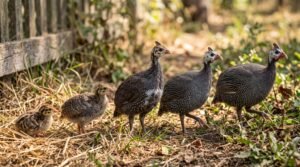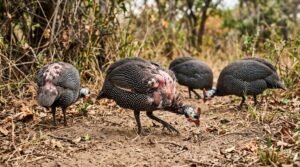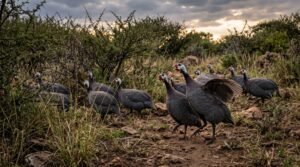
Guinea fowl don’t get “lost” the way a dog might wander off and forget where home is — they get separated from the flock, disoriented by fading light, or spooked into flying up somewhere they can’t get back down from safely. Prevent it by locking in a strong flock and home-base instinct early, keeping their range and routine consistent, and giving them every reason to want to be back at the coop before dark.
I’ve had guineas disappear for two full days only to show up looking mildly annoyed, like nothing happened. I’ve also had a few that never came back. The difference between those two outcomes almost always comes down to habits I built (or didn’t build) months before the bird ever wandered off.
Here’s what actually keeps a free-ranging flock coming home.
- Keep the flock together — guineas rarely wander far when they have their group; loners are the ones that get lost.
- Lock in a strict routine — same feeding time, same call, same coop light every evening.
- Delay free-ranging until they’re old enough to know the coop as home.
- Use sound and food cues consistently, not just when it’s convenient.
- Keep a light on inside the coop before dusk so they have somewhere bright to fly toward.
- Clip flight feathers if roaming into unsafe territory (roads, neighbors, dense woods) is a real risk.
- Check tree lines and hedgerows at dusk before assuming a bird is truly gone.
Why Guinea Fowl Wander Off in the First Place
Guinea fowl were never fully domesticated the way chickens were. They still carry a lot of wild bird instinct, and that instinct tells them to forage constantly, follow the group, and roost as high off the ground as possible when the light starts to fade.
That combination is exactly what leads to birds going missing. A guinea that gets separated from the flock — because it wandered off chasing a bug, got startled by a dog, or simply lagged behind — doesn’t try to find its way back the way a lost dog would. Its instinct is to freeze, hide, or fly up into the nearest tree and wait it out.
I’ve watched this happen in real time. One of my hens got spooked by a neighbor’s loose dog, bolted into a hedge, and stayed silent and hidden for almost three hours after the danger was long gone. She wasn’t lost in the sense of not knowing where she was — she was just doing what instinct told her to do: stay still, stay quiet, stay hidden.
That distinction matters for prevention. You’re not teaching guineas a map back home. You’re managing their instincts so they never need to fall back on hide-and-freeze mode in the first place.
Start With Age-Appropriate Free-Ranging
One of the most common mistakes new keepers make is letting keets or young guineas out too early, before they’ve built any real attachment to the coop.
Most experienced keepers wait until birds are at least three to four months old before letting them free-range, since younger birds are still too flighty and haven’t settled into their surroundings. Some keepers push that even further and keep guineas confined to a fully protected run for close to a year before giving them free rein, specifically because it takes that long for the habit of “home means safety and food” to really sink in.
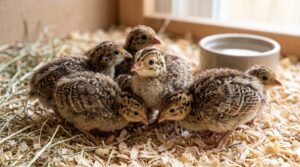
If you’re working with keets, treat the early weeks as an investment in the flock’s return instinct:
- Keep them confined to the coop and run for the first several weeks so they learn exactly where home is.
- Introduce short, supervised free-range sessions only once they’re feathered out and steady on their feet.
- Raise guineas alongside a few chickens if possible — chickens already know the coop-return routine, and guineas tend to pick it up by following the flock.
Rushing this stage is one of the fastest ways to end up with a bird that has no real concept of “home” once it’s out in open space. If you’re still deciding how old is old enough, our guide on raising guinea fowl keets week by week breaks down exactly what each stage should look like.
Build a Rock-Solid Routine Before You Rely on It
Guinea fowl are creatures of habit, even if they don’t look it while sprinting across the yard shrieking at a squirrel. A predictable daily routine is one of the strongest tools you have for keeping the flock close.
The routine that’s worked consistently for me looks something like this:
- Let the flock out at roughly the same time every morning.
- Feed and offer fresh water in the same spot near the coop, not out in the range area.
- Start using a consistent sound cue — a whistle, a specific word, a bucket rattle — every single time you feed them.
- Begin the evening call about an hour before sunset, well before the light actually starts fading.
- Feed again at dusk, right at or inside the coop entrance.
- Close the coop only once you’ve done a headcount and everyone’s inside.
The sound cue matters more than people expect. Guineas associate that specific noise with food showing up, and over time, hearing it becomes enough to pull them back toward home even from a fair distance. Skip it for a few days, though, and you’ll lose a lot of that conditioning fast.
I started using a whistle with my flock while they were still confined, and by the time they were fully free-ranging, that same whistle could call them out of the woods from what felt like a quarter mile away. It wasn’t magic. It was just repetition.
Feed and Water Placement Does More Than You’d Think
Where you put food and water directly shapes how far your flock wanders and how motivated they are to come back.
If you scatter feed out in the range area or let them find water away from the coop, you’re removing one of the main reasons they’d bother returning at all. Keep feed and water at or near the coop, especially in the early morning and evening, so the coop stays associated with the resources they need.
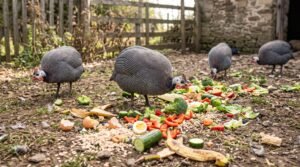
Free-ranging guineas can cover the large majority of their own diet by foraging, which is great for feed costs, but it also means they don’t strictly need to come back for anything during the day. That’s fine — let them forage through the afternoon. Just make sure the evening feeding is reliable, generous, and happens right at the coop, so there’s a strong pull home once the sun starts dropping.
Use Light to Guide Them Home at Dusk
This is one of the most underrated tricks for keeping guineas from ending up stuck in a tree overnight.
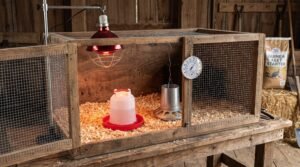
Guineas generally dislike heading into a dark building, and their instinct pulls them toward light — part of why they fly upward to roost in trees or on rooftops, where there’s more ambient light at dusk than down on the ground. A light inside the coop, switched on an hour or so before sunset, works with that instinct instead of against it. Some keepers prefer a red bulb over a white one, since red light is less likely to disrupt the birds’ natural melatonin cycle and tends to help them settle once inside.
If you don’t have power run to your coop, a battery-powered or solar light on a timer does the job just as well. The goal is simple: give them a bright, familiar spot to fly toward before the woods or the neighbor’s roofline start looking more appealing.
Keep the Flock Together
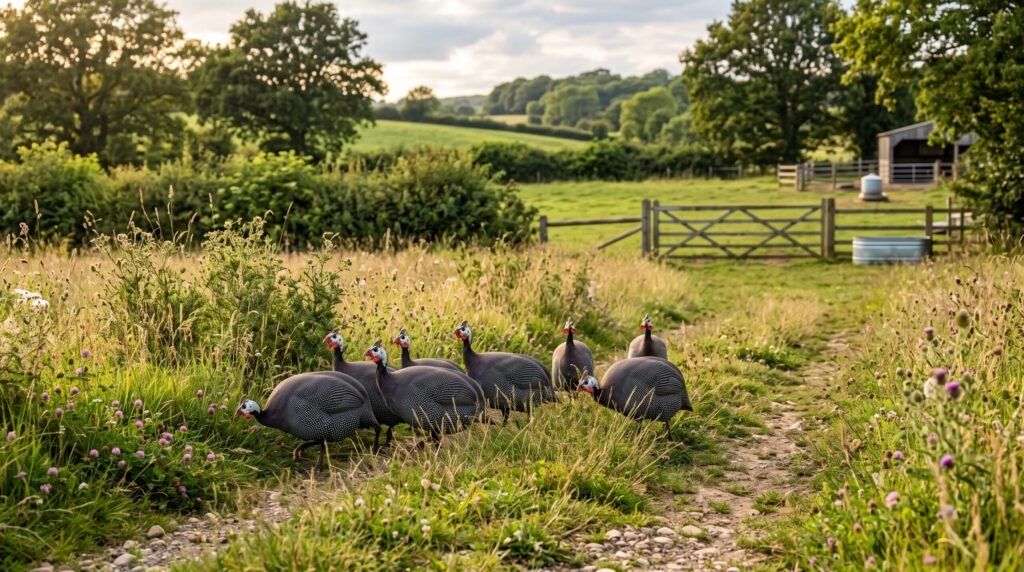
Guinea fowl have a strong flocking instinct, and that instinct is one of your best allies. Birds that stay grouped with the rest of the flock are far less likely to end up isolated, and isolation is usually the first step toward a bird going missing.
A few practical ways to reinforce this:
- Avoid free-ranging a single guinea alone; always let them out as a group.
- If you’re down to just one or two birds, consider adding a few more or integrating them closely with chickens so they still have flock behavior to fall back on.
- Watch for any bird that consistently lags behind or ranges apart from the others — that’s often the one that ends up disoriented first.
I keep a slightly higher number of guineas than I think I “need” for exactly this reason. A bigger, tighter group is simply less likely to lose track of an individual bird, and the group itself tends to head home together once the lead birds start moving that direction.
Know When Wing-Clipping Makes Sense
Guineas fly better than most people expect, and that’s part of what makes them harder to contain than chickens. If your property backs up to a busy road, a dense forest, or land you don’t have permission to retrieve birds from, that flight ability turns into a real risk.
Clipping wing feathers is one method some keepers use to keep guineas from flying over fences, though guineas are fast and genuinely difficult to catch, so be prepared for it to take some effort. It won’t eliminate wandering entirely, since guineas can still cover plenty of ground on foot, but if your layout puts unclipped birds at real risk of ending up somewhere they can’t get back from, it’s worth weighing against a fully enclosed, covered run instead.
For most backyard setups without major hazards nearby, a strong routine and reliable home base are usually enough on their own. If predators rather than property lines are your bigger worry, it’s worth reading through our guide on protecting guinea fowl from foxes, hawks, and other predators as well.
What to Do If a Bird Actually Goes Missing
Even with a solid routine, it happens. Here’s the order I work through when a guinea doesn’t show up at dusk:
- Do a headcount at last light, every single evening, so you know immediately if someone’s missing rather than discovering it the next morning.
- Check the nearest tree line, hedges, and any dense brush first — this is where a spooked or separated bird almost always ends up.
- Bring a flashlight and listen for their alarm call rather than expecting to spot them visually in low light.
- Avoid chasing a hiding bird directly; move slowly and let your regular call or feed sound do the work of drawing it out.
- Check again at first light — a bird that hunkered down overnight will often move and start calling once the sun’s up.
Most “lost” guineas turn up within 24 to 48 hours, usually within a few hundred yards of the coop. The birds that don’t come back are far more often the result of predation than genuine disorientation, which is a good reason to pair everything above with solid predator-proofing around your coop and run.
If you’re still narrowing down your overall approach, our comparison of free-range versus confined guinea fowl is worth reading alongside this one, especially if you’re still deciding how much freedom to give a new flock.
A Few Final Thoughts
Preventing guinea fowl from getting lost isn’t about controlling them — you can’t, not really, and that’s part of what makes them fun to keep. It’s about giving them every reason to want to come back: food, light, a familiar call, and a flock that sticks together. Build that foundation while they’re young, stay consistent with it as they mature, and most of your birds will treat free-ranging as an adventure with a return trip built in, not a one-way ticket.
Has your flock ever gone missing and turned up somewhere unexpected? I’d genuinely like to hear how it played out — every keeper seems to have at least one story. And if you’re still working on getting your flock to reliably head home at night, training guinea fowl to return to the coop is a good next read.
FAQ
How far will guinea fowl wander when free-ranging?
A well-established flock with a strong routine typically stays within a few hundred yards of the coop, though guineas can easily cover far more ground than that if there’s nothing pulling them back. Their range tends to expand as they mature and settle into an area, which is why consistent feeding and calling matter more, not less, once they’ve been free-ranging for a while.
Do guinea fowl come back on their own if they get separated from the flock?
Often, yes, especially if the flock’s routine is strong and the separated bird can hear the rest of the group or the usual feeding call. Their instinct is to hide when scared rather than actively search for home, so a bird may stay put for hours before moving, but a reliable evening call and food source will usually pull it back once it feels safe enough to move.
Should I keep guinea fowl and chickens together to reduce wandering?
Mixing the two can help, particularly with young guineas, since guineas have a strong flocking instinct and tend to pick up the habits of whatever birds they’re raised alongside, which makes herding and coop-training noticeably easier. It’s not a requirement, but if you’re already raising chickens, letting guinea keets grow up alongside them is one of the simplest ways to speed up the process.
Is it normal for guinea fowl to roost in trees instead of the coop?
It happens, especially with birds that were free-ranged before they were fully attached to the coop, or on evenings when the coop feels less inviting than the top of a nearby tree. It’s not a sign that something’s permanently wrong, but if it becomes a regular pattern, revisiting your evening routine, coop lighting, and feeding schedule usually solves it faster than trying to physically retrieve birds from trees each night.
Hi, I’m Rayyan. I raise guinea fowl and share practical, research-backed guides for backyard keepers and homesteaders. I combine hands-on flock experience with trusted poultry management and university extension resources to help you raise healthier, more productive birds — with confidence, not guesswork.