

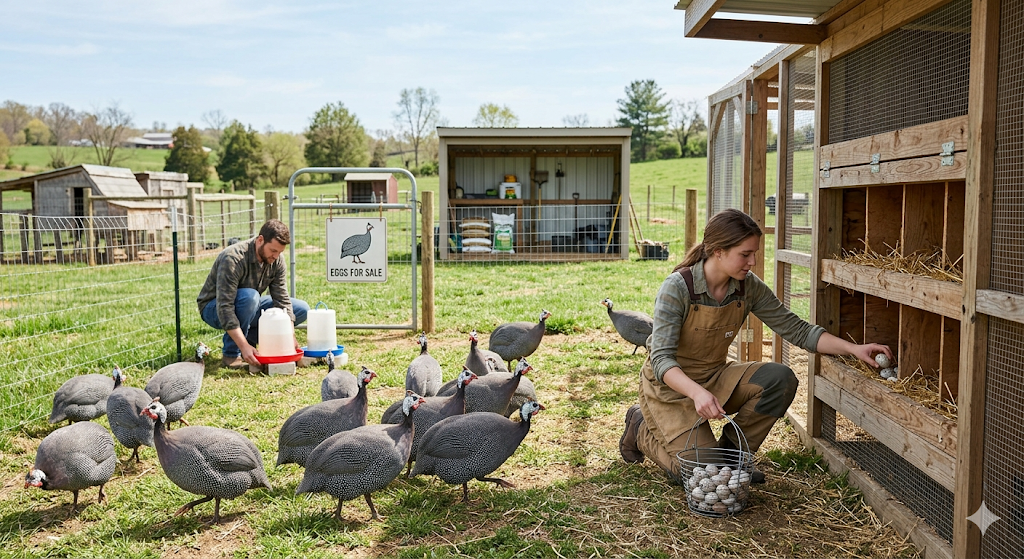
Guinea fowl eggs are in demand — and most small farmers are missing the opportunity. If you’re looking at how to start guinea fowl egg farming without wasting money or making rookie mistakes, this guide gives you a clear, practical path from day one to first sale.
Guinea fowl egg farming is still a niche market. That means less competition and better prices for those who get in early and do it right.
What Makes Guinea Fowl Egg Farming Worth It
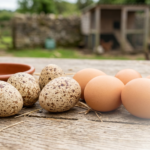
Guinea fowl eggs offer higher profit margins than standard chicken eggs. A single guinea hen lays roughly 80–160 eggs per year, mainly from spring through early fall. These eggs are smaller than chicken eggs but richer in flavor, with a harder shell and longer shelf life.
Buyers at farmers markets, specialty grocery stores, and restaurants pay a premium — often $6–$12 per dozen — compared to $3–$5 for conventional chicken eggs.
Key advantages of guinea fowl egg farming:
- Higher retail price: Guinea fowl eggs are considered a specialty product, so they command 2–3x the price of chicken eggs.
- Lower input costs: Guinea fowl forage naturally for insects, seeds, and plants, reducing feed costs significantly.
- Hardy birds: Guineas are disease-resistant and tolerate heat and cold better than most poultry.
- Pest control bonus: They eat ticks, grasshoppers, and other insects, which adds value on a mixed farm.
Step 1: Research Your Local Market Before You Buy a Single Bird
Market research is the most important step in starting a guinea fowl egg business. Many beginners skip this and end up with hundreds of eggs and no buyers.
Before spending a dollar, confirm that there’s real demand in your area.
How to Find Buyers for Guinea Fowl Eggs
- Visit local farmers markets and ask vendors if specialty eggs sell well. Talk to shoppers about interest.
- Contact local restaurants — farm-to-table restaurants actively seek unique, local ingredients.
- Check online marketplaces like Facebook Marketplace or Craigslist to see if others are selling and at what price.
- Reach out to specialty grocers and co-ops — many prefer sourcing locally and will consider small suppliers.
Once you confirm buyers exist, decide your price point and estimate your target volume. A flock of 20 laying hens producing 100 dozen eggs per season at $8/dozen generates around $800 in seasonal revenue — a useful starting benchmark.

Step 2: Choose the Right Guinea Fowl Breed and Source
Not all guinea fowl are the same. For egg production, the Helmeted Guinea Fowl (Numida meleagris) is the most common and productive breed kept on farms worldwide. The Pearl Gray variety is the most widely available in the United States.
Where to Source Quality Guinea Fowl
- Hatcheries: Purchase day-old keets (guinea chicks) from reputable hatcheries like Cackle Hatchery or Murray McMurray Hatchery. This gives you healthy, vaccinated stock.
- Local breeders: Buying from a nearby breeder lets you see flock health and behavior before purchasing.
- Avoid auction birds: Birds from mixed auctions often carry unknown disease histories.
Start small. A beginner flock of 15–25 females (hens) and 3–5 males (cocks) is manageable and affordable. Guinea fowl reach laying age at around 16–20 weeks, depending on season and light exposure.
Step 3: Set Up the Right Housing and Free-Range Space
Guinea fowl do best with a combination of secure housing at night and free-range access during the day. They are naturally active foragers and become stressed in tight confinement, which reduces egg production.
Housing Requirements for a Guinea Fowl Flock
| Factor | Recommended Standard |
|---|---|
| Indoor space | Minimum 3–4 sq ft per bird |
| Outdoor range | At least 10–15 sq ft per bird |
| Roosting bars | Required — guineas prefer to roost high |
| Ventilation | Essential to prevent respiratory disease |
| Predator protection | Secure wire, buried 12 inches to deter diggers |
Guinea fowl are loud and fast. Fencing must be at least 4–6 feet high. Many keepers clip wing feathers on young birds to limit roaming until the flock bonds to the home location.
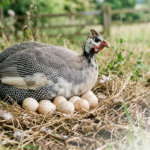
Nesting boxes should be placed at ground level in quiet, low-traffic areas. Guineas prefer to lay in hidden spots — so provide covered boxes filled with clean straw to encourage consistent laying.

Step 4: Feed, Health, and Egg Collection Management
Proper nutrition directly affects egg production rate and shell quality. Guinea fowl in free-range systems get a large portion of their diet from foraging, but supplemental feed is still essential.
Feeding Guinea Fowl for Maximum Egg Production
- Layer feed: Provide a 16–18% protein layer pellet or crumble as the base diet.
- Free-range foraging: Pasture access reduces feed costs and improves egg yolk quality and color.
- Calcium supplement: Offer crushed oyster shell free-choice to support strong eggshells.
- Clean water: Fresh water must be available at all times — dehydration quickly reduces laying.
Avoid high-sodium feeds or medicated chick starters meant for other poultry, as these can harm guinea fowl.
Basic Health Practices
Guinea fowl are hardy, but a few routine practices keep flocks productive:
- Vaccinate keets for Marek’s disease at the hatchery or on arrival.
- Deworm regularly — use a veterinarian-approved wormer every 3–6 months for free-range flocks.
- Quarantine new birds for at least 2 weeks before introducing them to your flock.
- Watch for respiratory issues — sneezing, runny eyes, or lethargy warrant immediate attention.
Collecting and Storing Guinea Fowl Eggs
Guinea hens tend to hide eggs. Collect eggs daily to prevent brooding behavior and maintain egg freshness. Unwashed eggs stored at room temperature remain fresh for up to 2 weeks. Refrigerated eggs last 6–8 weeks.
Do not wash eggs before storage unless selling immediately — washing removes the natural protective bloom.

Step 5: Price, Package, and Sell Your Guinea Fowl Eggs
Getting the price right and presenting your product professionally turns a hobby into a real guinea fowl egg business with consistent profit.
How to Price Guinea Fowl Eggs
Guinea fowl eggs are a specialty product. Price them to reflect that. A fair starting price for direct-to-consumer sales is $8–$12 per dozen, depending on your location and competition.
| Sales Channel | Typical Price Per Dozen | Effort Level |
|---|---|---|
| Farmers market | $8–$12 | Medium |
| Farm gate / direct sale | $7–$10 | Low |
| Restaurants | $10–$15 | Medium |
| Specialty grocery stores | $9–$13 | High (paperwork) |
| Online (local pickup) | $8–$11 | Medium |
Packaging and Presentation Tips
- Use egg cartons labeled with your farm name and contact information.
- Add a short description card noting that guinea fowl eggs are rich in flavor and have a hard shell.
- Include your location and farming method (free-range, pasture-raised) — buyers pay more for transparency.
Building a Loyal Customer Base
Repeat buyers are the foundation of a profitable guinea fowl egg business. Offer a weekly or monthly egg subscription for reliable income. Engage customers at farmers markets and share photos of your flock on social media platforms like Instagram or Facebook. Word-of-mouth from a satisfied restaurant chef can fill your order book faster than any advertisement.
How Much Can You Earn From Guinea Fowl Egg Farming?
A flock of 25 laying hens, each producing approximately 120 eggs per year, yields around 3,000 eggs — or 250 dozen. At an average price of $9 per dozen, that equals $2,250 in gross revenue per season.
After feed, housing, and basic health costs (estimated at $400–$600 per year for a small flock), net profit for a beginner flock typically ranges from $1,600–$1,800 per season.
Scaling to 50–75 hens can push annual profit above $3,500–$5,000, especially when combining direct sales with restaurant accounts. Guinea fowl egg business profit improves significantly with free-range pasture access, which reduces purchased feed costs by 30–50%.
Frequently Asked Questions About Guinea Fowl Egg Farming
Starting a guinea fowl egg business raises a lot of practical questions. Here are honest answers to what most new farmers want to know.
How many eggs does a guinea hen lay per year? A healthy guinea hen lays between 80 and 160 eggs per year, primarily from late spring through early fall. Egg production slows or stops during winter months, especially in northern climates with fewer daylight hours.
Are guinea fowl eggs safe to eat? Yes. Guinea fowl eggs are fully edible and nutritionally comparable to chicken eggs. They have a higher yolk-to-white ratio and are considered a delicacy in many parts of Europe and Africa. According to nutritional data from the USDA FoodData Central, guinea fowl eggs contain similar protein levels to chicken eggs with a richer, creamier flavor.
Do you need a permit to sell guinea fowl eggs? Permit requirements vary by state and country. In the U.S., selling eggs at a farmers market or directly from the farm typically requires a home processor or cottage food exemption in most states, with limits on annual revenue. Contact your local Department of Agriculture or extension office for your specific rules. The USDA Agricultural Marketing Service provides state-by-state resources.
How do guinea fowl compare to chickens for egg farming? Chickens produce more eggs per year (250–300 vs. 80–160 for guineas) but guinea fowl eggs command a higher market price. Guinea fowl also require less feed due to foraging behavior and are more disease-resistant. Guinea fowl egg farming suits farmers who want a premium niche product with lower overhead rather than high-volume production.
At what age do guinea hens start laying eggs? Guinea hens begin laying at approximately 16–20 weeks of age, depending on the time of year. Hens hatched in spring typically start laying in late summer or early fall of the same year. Those hatched in fall may not lay until the following spring.
Start Small, Scale Smart
Guinea fowl egg farming is a real, profitable opportunity for small-scale farmers who are willing to do the groundwork. The five steps in this guide — market research, sourcing birds, building proper housing, managing feed and health, and selling smartly — give a clear foundation to build on.

The margin is in the niche. Guinea fowl eggs sell for 2–3 times the price of chicken eggs, and demand in specialty markets continues to grow. A small, well-managed flock of 20–25 hens can generate $1,500–$2,000 in seasonal profit with relatively low startup costs.
Ready to take the next step? Start by visiting a local farmers market this weekend and asking vendors and shoppers about specialty egg demand in your area. That one conversation could confirm whether guinea fowl egg farming is the right move for your farm.