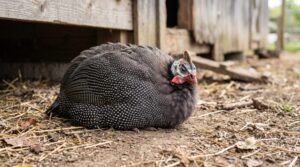
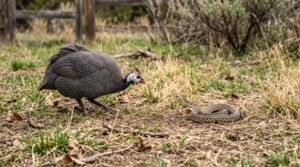
Guinea fowl typically live 10 to 15 years, though I’ve seen well-protected backyard birds push past that into their late teens. How long yours actually lasts comes down to three things: predators, housing, and plain luck.
I remember losing my first pair of guineas to a fox within eighteen months of getting them, then watching my second flock’s matriarch, a scrappy pearl hen named Gertie, live to be almost 14. Same species, wildly different outcomes. That gap is really what this article is about.
Here’s what shapes a guinea’s lifespan, and what you can actually do about it.
- Average lifespan: 10–15 years for a well-kept backyard or homestead flock
- Wild helmeted guinea fowl: Often closer to 10–12 years, since predation pressure is constant
- Biggest lifespan killer: Predators, not disease — guineas are naturally hardy birds
- Longest-lived guineas: Usually confined or predator-proofed at night, well-fed, and kept in a stable flock
- Sexual maturity: Around one year old, with most productive laying happening in years 2–4
Why Guinea Fowl Live As Long As They Do
Guineas have a reputation among poultry keepers as tough, low-maintenance birds, and that reputation is earned. Compared to chickens, they’re less prone to common poultry ailments and tend to shrug off minor illnesses that would knock a hen off her feet. That underlying hardiness is a big part of why a 10-to-15-year lifespan isn’t unusual for guinea fowl, when plenty of chicken breeds are lucky to see 8.
Part of it comes down to instinct. Guineas are naturally wary, loud, and quick to scatter at the first sign of trouble. In the wild, helmeted guineafowl rely on that same alertness to survive among lions, wild dogs, and birds of prey across sub-Saharan Africa. Domestic guineas haven’t lost that edge. Mine still sound the alarm over a stray cat two properties away, and honestly, that paranoia is exactly what keeps them alive.
But instinct only gets a bird so far. The rest is down to how it’s kept.
What Actually Shortens a Guinea’s Life
If you’re wondering why some guinea keepers report flocks dying off within a couple of years while others have birds still going strong at 12, the answer almost never comes down to genetics. It comes down to these:
- Predation. This is the single biggest threat to guinea fowl, especially birds that free-range without a secure night coop. Foxes, hawks, owls, raccoons, and even large dogs will take a guinea given the chance, and guineas can’t see well in the dark, which makes dusk and nighttime their most vulnerable hours.
- Small flock size. A pair or trio of guineas is an easy target. Larger flocks, ten or more, are harder for predators to pick off and better at mobbing or fleeing as a group.
- Roosting in trees. Guineas naturally want to roost high, and free-ranging flocks that roost in trees overnight instead of a locked coop are far more exposed than birds that are shut in at dusk.
- Poor nutrition, especially early on. Keets need a higher-protein starter feed than chicks do. Guineas that are underfed in their first weeks tend to be smaller, weaker, and more disease-prone as adults.
- Disease from crowding. Guineas raised in cramped or unsanitary conditions lose much of their natural disease resistance. Overcrowding is one of the few things that reliably drags down an otherwise hardy bird.
- Traffic and roaming. Free-range guineas that wander onto roads are at real risk, particularly if your property borders a busy street.
None of this means you need to keep guineas in a cage to protect them. It just means the keepers who get the most years out of their flock are usually the ones who take dusk seriously.
How to Help Your Guinea Fowl Live Longer
I’ve adjusted how I manage my own flock over the years, mostly by learning the hard way. A few habits have made the biggest difference:
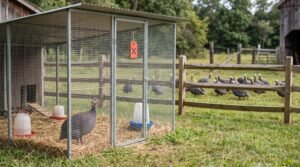
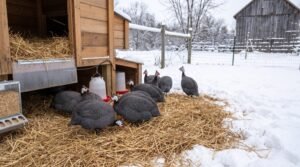
- Lock them in at dusk, every single night. This is the single most effective thing you can do. Guineas will often put themselves to bed on a schedule once they’re used to it, so closing the coop door becomes routine rather than a chase.
- Keep your flock at ten birds or more if you’re free-ranging. Numbers genuinely help. A large, noisy flock is a harder target and better at spotting trouble early.
- Predator-proof the coop itself, not just the door. Guineas roost up high, so check for gaps near the roofline, not just at ground level.
- Feed a proper starter ration to keets. A 24–26% protein feed for the first six to eight weeks sets birds up for a stronger adult life, then steps down gradually as they mature.
- Keep stress low. Guineas are flock animals that don’t do well isolated. A stable, established flock tends to be calmer and less prone to the kind of panicked scattering that gets birds picked off.
- Watch for signs of illness early. Even hardy birds benefit from a quick once-over now and then. Lethargy, ruffled feathers, or a guinea separating itself from the flock are worth investigating before they become serious.
None of these guarantee your birds hit 15, but they stack the odds heavily in your favor.
Guinea Fowl Lifespan vs. Other Poultry
If you keep both guineas and chickens, it’s worth knowing how their lifespans compare, since it changes how you plan for flock turnover.
| Bird | Typical Lifespan | Main Longevity Factor |
|---|---|---|
| Guinea fowl | 10–15 years | Predator exposure |
| Chicken (backyard breeds) | 5–10 years | Breed, laying strain |
| Turkey | 5–10 years | Weight-related health issues |
| Duck | 8–12 years | Predators, water access |
Guineas hold up well against that comparison, largely because they weren’t bred for the kind of rapid egg or meat production that shortens a lot of commercial chicken breeds’ lives.
Frequently Asked Questions
Do guinea hens live longer than males?
There’s no strong evidence that sex alone changes a guinea’s lifespan. Males and females face the same predation risks and environmental pressures. Hens do carry the added physical toll of laying, but that’s rarely significant enough to meaningfully shorten their life in a well-fed flock.
At what age do guinea fowl stop laying eggs?
Most guinea hens lay heaviest in their second through fourth years, then production tapers off gradually after that. A hen can live well past her productive laying years, so egg output isn’t a useful way to guess a bird’s age or remaining lifespan.
Can guinea fowl live inside a fully enclosed run their whole life?
Yes, and birds kept this way are often among the longest-lived, simply because predator risk drops close to zero. The tradeoff is that fully confined guineas need more deliberate attention to space, diet, and enrichment, since they lose the free-ranging behavior that keeps them naturally active.
What’s the oldest a guinea fowl has been known to live?
Reliable individual records are hard to come by outside of zoos and sanctuaries, but well-protected captive birds have been reported living close to 20 years. That’s the exception rather than the rule, and it usually comes down to consistent predator protection over the bird’s entire life.
Final Thoughts
Guinea fowl are built to last, often outliving the chickens they share a run with, but genetics only carries them so far. The keepers who get a full 12 or 15 years out of their flock are almost always the ones who take nighttime security seriously and keep their birds in decent-sized groups.
If you’re just starting out, it’s worth reading through our guide to starting guinea fowl farming before you bring birds home, since a lot of longevity problems trace back to decisions made in the first few weeks. And if predators are already a concern on your property, our breakdown on protecting guinea fowl from foxes, hawks, and other predators goes deeper into coop setup and flock habits.
How old is your oldest guinea? I’d love to hear what’s worked for keeping your flock safe over the years — drop a comment below.
Hi, I’m Rayyan. I raise guinea fowl and share practical, research-backed guides for backyard keepers and homesteaders. I combine hands-on flock experience with trusted poultry management and university extension resources to help you raise healthier, more productive birds — with confidence, not guesswork.