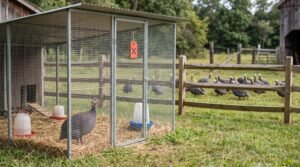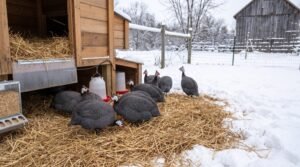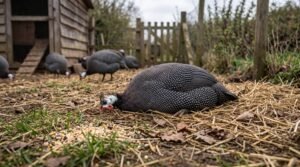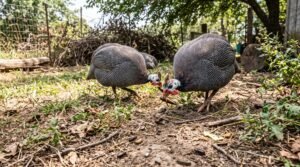
Starting a guinea fowl farm comes down to five things: picking the right breed, setting up predator-proof housing, sourcing healthy keets, feeding them correctly at each life stage, and understanding how they behave differently from chickens. Get those right, and guinea fowl will reward you with natural pest control, low feed costs, and a genuinely entertaining flock.
I still remember the first week I brought keets home. I’d raised chickens for years and assumed guineas would be more of the same. They weren’t. Guinea fowl are closer to a domesticated wild bird than a farmyard animal, and that difference shapes almost every decision you’ll make as a keeper — from how you build their coop to how you introduce them to your property. This guide walks you through everything I wish someone had told me before I started, so you can skip the trial-and-error and go straight to a thriving flock.
By the end of this guide, you’ll know what guinea fowl actually need, how much to budget, which mistakes to avoid, and how to get your first flock off to a strong start.
Here’s a quick look at what you’re signing up for before diving into the details.
| Factor | What to Expect |
|---|---|
| Startup cost (10–15 birds) | Roughly $150–$400 depending on housing and feeders |
| Time to maturity | 16–20 weeks before guineas reach adult size |
| Space needed | 2–4 sq. ft. per bird indoors, plus outdoor range |
| Egg production | Around 80–100+ eggs per hen per year, seasonal |
| Lifespan | 10–15 years, sometimes longer |
| Best for | Pest control, low-input homesteads, small farms |
Why Keep Guinea Fowl in the First Place
Guinea fowl have a reputation, and most of it is earned. They’re loud, they’re independent, and they don’t act like chickens no matter how much you want them to. But that same wild streak is exactly what makes them useful.
They’re famous for tick and pest control, spending most of the day patrolling the property and picking off insects, grasshoppers, and small pests. Because they forage so aggressively, your feed bill often drops compared to keeping the same number of chickens. They also tend to sound off loudly at anything unfamiliar, which makes them useful as a low-tech alarm system for predators or visitors.
None of that means they’re the right bird for everyone, particularly the noise, which can be a dealbreaker if you have close neighbors.
Step 1: Decide Why You’re Raising Them
Your goals should drive nearly every decision that follows, so nail this down first. Are you raising guinea fowl primarily for:
- Pest and tick control on pasture or around a garden
- Egg production for the table or for sale
- Meat production, since guinea fowl meat is leaner and often compared to game birds
- A natural alarm system to alert you to predators or visitors
- A mix of purposes, which is what most backyard keepers end up doing
If profit is part of the plan, it’s worth running the numbers before you buy a single keet rather than figuring out the economics after you’ve already invested in birds and housing.
Step 2: Check Local Regulations Before You Buy
This step gets skipped constantly, and it shouldn’t. Guinea fowl are loud enough that some municipalities and homeowners’ associations restrict or ban them outright, even in areas where chickens are fine. Before you invest in birds or housing, check your local zoning ordinances, noise regulations, and any HOA rules that might apply. A quick call to your county extension office or city clerk can save you from having to rehome an entire flock later. I’ve put together a more detailed breakdown of the legal rules for keeping guinea fowl if you want to dig deeper before committing.
Step 3: Choose a Breed
Most guinea fowl kept in the U.S. are some variety of the helmeted guinea fowl (Numida meleagris), but color varieties differ in appearance and, in some cases, temperament.
- Pearl — the most common variety, known for hardiness and easy availability
- Lavender — a lighter, pale gray-blue color, similarly hardy
- White — solid white plumage, sometimes preferred for meat production since the pin feathers are less visible after processing
- Royal Purple, Coral Blue, and other specialty colors — less common, usually sourced from specialty breeders
If you’re planning to raise guineas for meat or eggs specifically, it’s worth comparing options in more detail using this guide to the best guinea fowl breeds for meat and egg production. For most beginners, Pearl guineas are the easiest entry point simply because they’re the most widely available.
Step 4: Decide How to Source Your Birds
You’ve got three main options, and each comes with trade-offs.
- Hatching eggs — cheapest option, but you’ll need an incubator and accept a lower hatch rate than chicken eggs typically produce
- Day-old keets — the most common starting point for beginners, usually shipped from a hatchery or picked up from a local breeder
- Started or adult birds — costs more upfront but skips the fragile brooding stage entirely
I’d point most first-time keepers toward day-old keets from a reputable hatchery or local breeder. They’re more forgiving than hatching your own eggs, and you avoid paying adult prices before you know whether guinea fowl are a good fit for your property. For a full breakdown of the trade-offs, see this guide on buying your first guinea fowl.
One thing I’d tell any new keeper: guinea keets have a noticeably higher mortality rate in their first few weeks than chicks do. Order a few extra — I usually add 20-25% more than my target number — so a rough first week doesn’t leave you short of the flock size you wanted.
Step 5: Set Up Housing Before Your Birds Arrive
Guinea fowl retain far more wild instinct than chickens, and housing is where that shows up most. They’re strong fliers even as young birds and will roost in trees if given the chance, which leaves them exposed to owls, hawks, and other night predators.
Space Requirements
Recommendations vary somewhat by source, but adult guinea fowl generally need 2 to 4 square feet of indoor coop space per bird, with more room needed if they’ll be confined for extended periods during winter weather or storms. According to guidance compiled through the Cooperative Extension System’s poultry resources, confined guineas need plenty of room to avoid stress-related pecking and aggression — the more space you can offer, the calmer your flock tends to be. If you want exact numbers for your flock size, this guinea fowl space requirements guide breaks it down by bird count.
Key Housing Features
- Predator-proof construction — use half-inch hardware cloth rather than standard chicken wire, which guineas can eventually damage or push through
- Roosting bars — guineas strongly prefer roosting above ground level; without bars, they’ll try to roost in trees
- Good ventilation — without being drafty, since ammonia buildup from droppings causes respiratory problems
- Dry, secure flooring — bedding like wood shavings or straw keeps the coop sanitary and easy to clean
- A secure door that closes at night — this is non-negotiable for predator protection
For a complete rundown of everything from framing to predator-proofing, see the full guinea fowl housing guide.
Step 6: Plan Your Feeding Program
Guinea fowl have real nutritional needs that shift as they grow, and getting this wrong is one of the fastest ways to lose keets early on.
- Weeks 1–6 (starter phase): a 24–28% protein game bird or turkey starter, since standard chick starter runs too low in protein for guinea keets
- Weeks 6–16 (grower phase): gradually transition to an 18–20% protein grower feed
- Adult birds: a standard 16–18% layer or all-flock feed works well, especially once birds are free-ranging and supplementing their diet with insects and forage
Guineas that free-range will source a large share of their own diet through foraging, which is part of why their feed costs run lower than a comparable flock of chickens. That said, they still need consistent access to clean water and a reliable feed source, particularly during winter when foraging opportunities drop off. If you want exact daily amounts and a full breakdown by life stage, this complete feeding guide covers it in more depth.
Step 7: Understand Guinea Fowl Behavior Before They Arrive
This is the step that catches the most beginners off guard. Guinea fowl behave nothing like chickens, and knowing that going in will save you a lot of frustration.
- They’re loud, especially the hens, and will sound off at anything unfamiliar — vehicles, visitors, hawks overhead, or nothing at all
- They’re flock-oriented to an extreme degree and tend to panic or wander if separated from the group
- They don’t take well to confinement long-term and do best with room to roam
- They can fly further and higher than most backyard poultry, so clipping wings or tall fencing may be necessary if you need to keep them contained
- They’re generally poor mothers compared to chickens, which is why many keepers use an incubator or broody chicken instead of letting guinea hens hatch and raise their own keets
If you’re planning to keep guineas alongside chickens, ducks, or turkeys, know that mixed flocks can work, but guineas will usually establish themselves as the dominant, more independent birds in the group.
Step 8: Guard Against Predators
Even with solid housing, guinea fowl face real predator pressure — from hawks during the day to foxes, raccoons, and owls at night. Free-ranging birds are especially vulnerable since they cover so much ground during the day.
A few habits make a real difference here:
- Lock birds into secure housing every night without exception
- Bury or angle wire fencing outward to stop digging predators
- Trim overhanging branches that give aerial predators a perch near your run
- Train young keets early to return to the coop at dusk, since guineas that learn to roost outdoors are far more vulnerable
For a deeper look at predator-proofing your setup, this guide on protecting guinea fowl from foxes, hawks, and other predators is worth reading before your birds arrive.
Step 9: Plan for Seasonal Care
Guinea fowl are hardy, but both extreme heat and cold require some adjustments to keep your flock comfortable and productive.
In summer, shade, ventilation, and constant access to cool water matter most, since overheating is a real risk during prolonged heat waves. In winter, guineas handle cold reasonably well thanks to their dense feathering, but wet, drafty housing is dangerous. My winter care guide covers how to keep water from freezing and when to keep birds confined during severe weather.
Common Mistakes First-Time Keepers Make
A few missteps show up again and again with new guinea fowl keepers, and most are easy to avoid once you know to look for them.
- Buying too few keets and ending up short after normal early mortality
- Housing guineas exactly like chickens without accounting for their flying ability
- Underestimating the noise before neighbors become an issue
- Letting young keets free-range too early, before they’ve bonded to the coop
- Skipping local regulation checks before investing in birds and housing
I’ve seen every one of these play out on other homesteads, and most of them trace back to treating guinea fowl like slightly different chickens rather than the semi-wild bird they actually are.
Getting Started: A Simple Timeline
- Weeks before birds arrive: check local regulations, choose your breed, and finish building or buying housing
- Order keets or eggs: order slightly more than your target flock size to offset early mortality
- Set up a brooder: warm, draft-free space with starter feed and clean water ready before keets arrive
- Weeks 1–6: monitor brooder temperature closely and maintain the high-protein starter diet
- Weeks 6–16: transition to grower feed and begin introducing birds to outdoor housing
- Week 16 onward: shift to adult feed, begin supervised free-ranging, and train birds to return to the coop at dusk
Frequently Asked Questions
How many guinea fowl should I start with? Most keepers do best starting with at least five to six birds, since guineas are intensely social and don’t do well isolated or in very small numbers. Ordering a few extra also protects you against normal keet mortality.
Do guinea fowl need a pond or water source like ducks? No. Guinea fowl only need standard poultry waterers with constant access to clean water — they don’t require swimming water the way ducks do.
Can I keep guinea fowl in a suburban backyard? It’s possible in some areas, but their noise level and need for space make them a poor fit for tight suburban lots or close neighbors. Check local ordinances and consider your neighbors before committing.
How long before guinea fowl start laying eggs? Guinea hens typically begin laying around 28 to 30 weeks of age, usually in spring as daylight hours increase.
Final Thoughts
Guinea fowl aren’t a low-effort version of chickens — they’re a different bird entirely, with their own quirks, needs, and rewards. Get the housing, feeding, and predator-proofing right from the start, and you’ll end up with a flock that pays for itself in pest control while giving you one of the more entertaining additions you can make to a homestead.
What’s driving your interest in guinea fowl — pest control, eggs, or something else? I’d love to hear about your setup and what’s worked (or hasn’t) as you get started.
Hi, I’m Rayyan. I raise guinea fowl and share practical, research-backed guides for backyard keepers and homesteaders. I combine hands-on flock experience with trusted poultry management and university extension resources to help you raise healthier, more productive birds — with confidence, not guesswork.