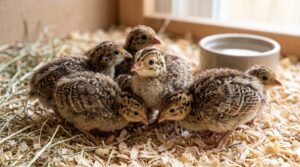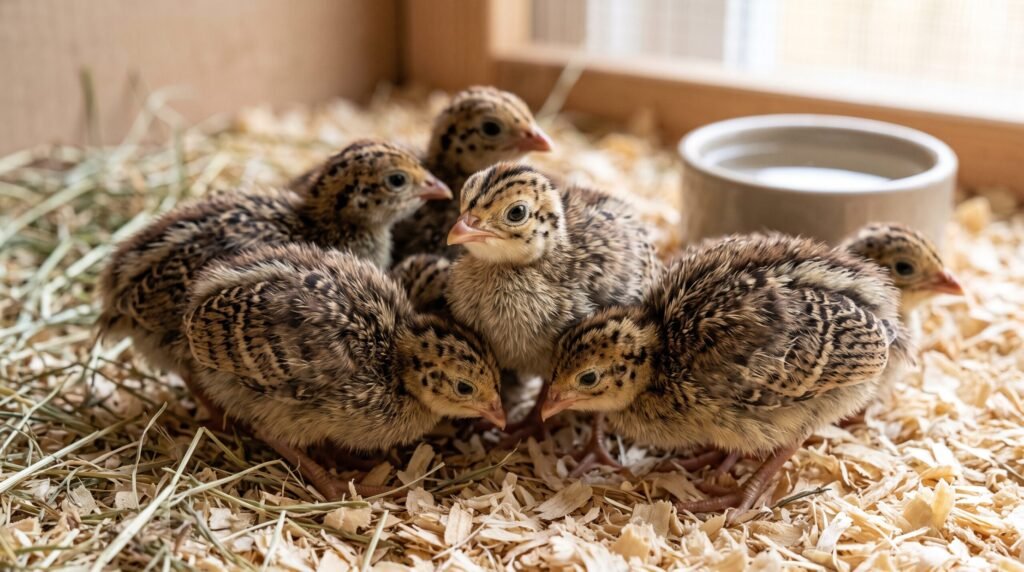
A healthy guinea keet has bright, clear eyes, clean nostrils, dry fluffy down, steady footing, and an alert, curious reaction to noise and movement. Everything else in this checklist builds on those five signs, whether you’re picking keets up in person or opening a shipped box on your porch.
I’ve bought keets both ways — driven two hours to a breeder’s farm with a cardboard carrier on the passenger seat, and torn open a peeping box from the post office at 6 a.m. Both can go well, and both can go badly if you don’t know what you’re looking at. Guinea keets hide weakness better than chicks do, and a keet that looks “just a little quiet” on day one can be the one you’re treating for a navel infection by day four. This guide covers exactly what to check before you buy, what’s normal versus a red flag, and how to set yourself up so the keets you bring home actually make it to the coop.
Here’s what a solid buying trip or unboxing should confirm before you commit to any keet.
| Check | What healthy looks like | What to avoid |
|---|---|---|
| Eyes | Bright, open, clear | Sticky, swollen, or half-closed |
| Nostrils | Clean, dry | Crusty, discharge, or bubbling |
| Down/feathers | Dry, fluffy, evenly covered | Wet, matted, patchy, or pasted with droppings |
| Vent area | Clean and dry | Caked with dried or wet droppings (“pasty butt”) |
| Navel | Fully healed, flat | Open, swollen, red, or leaking |
| Legs & feet | Straight, steady stance | Splayed legs, curled toes, limping |
| Behavior | Alert, moves with purpose, responds to sound | Listless, huddled alone, head drooping, silent when others are chirping |
| Body condition | Rounded, warm to the touch | Thin, cold, visibly underweight |
Why Guinea Keets Are Harder to Judge Than Chicks
If you’ve raised chickens, don’t assume the same instincts transfer cleanly. Guinea fowl behave more like a domesticated wild bird than a typical farmyard animal, and that wildness shows up early — even in the brooder, keets are noticeably faster, twitchier, and more prone to bolting the second you reach for them. That makes a slow, deliberate inspection more important, not less, because you can’t rely on catching every bird easily to get a good look.
It also means the survival curve looks different than it does for chicks. New keepers are often caught off guard by how much higher keet mortality runs in the first few weeks compared to chickens, which is exactly why the selection stage matters so much. You’re not just picking cute birds — you’re filtering out the ones that were already struggling before you ever got involved. I now order a few more than my target flock size for this reason, and most experienced keepers do the same, precisely because that early die-off is so common even with good care.
Start With the Source, Not the Bird
The single biggest lever you have over keet health is who you buy from, before you ever look at an individual bird.
- Ask about health guarantees. Reputable sellers stand behind live delivery and the condition of the birds they send. A hatchery or breeder unwilling to guarantee healthy stock and prompt shipping is telling you something worth listening to.
- Ask direct questions about diet and daily care. A seller who can describe exactly what the keets have been eating, and how they’re housed, is paying attention to the details that keep keets alive. Vague or dismissive answers are a warning sign.
- Look for NPIP certification when ordering from a hatchery. This voluntary program tests breeding flocks for certain reportable poultry diseases, and it’s a meaningful signal that a seller takes biosecurity seriously. It’s also worth asking whether the flock follows any vaccination schedule, since practices vary a lot between small breeders and larger hatcheries.
- Understand the loss-reporting window before you order. Hatcheries that cover shipping losses usually require you to report a death within a short window, often just a couple of days, so know that policy before the box arrives rather than after.
- Ask what feed the keets have been started on. Guinea keets need a notably higher protein starter than chicks do, and getting this wrong is one of the most common issues covered in a full guinea fowl feeding guide. A seller who’s already got that right is a good sign; one who mentions standard chick feed is a reason to ask more questions.
If you’re still deciding whether to start with day-old keets, hatching eggs, or adult birds, that’s a bigger decision than this checklist covers — see the guide on buying your first guinea fowl for the full trade-offs between the three.
The Physical Checklist: What to Look at First
Once you’re standing in front of the keets — whether that’s at a breeder’s brooder or your own kitchen counter after a shipment — work through these in order.
Eyes, Nostrils, and Overall Alertness
Look for clear eyes, clean nostrils, shiny down, and an alert demeanor before anything else. A healthy keet tracks movement, reacts to sudden sounds, and holds its head up. One that keeps its eyes half-shut, sits apart from the group, or doesn’t react when you clap near the brooder deserves a second look, and possibly a pass.
Down and Feet
Down should be dry and evenly distributed, never wet, matted, or patchy. Check the feet and legs while the keet is standing — you want a straight, confident stance. A keet with splayed legs or one that can’t get purchase on the floor is going to need extra intervention that most beginner setups aren’t equipped for.
The Vent — Not the Navel
This is where new keepers most often get confused, and it matters because the two conditions it points to are treated in completely different ways.
The vent is the opening beneath the tail where droppings pass, and it sits a bit lower than most people expect. The navel, by contrast, is the site closer to the belly where the keet was connected to its yolk sac during incubation, and it’s normal for a small dry scab to sit there for the first few days after hatching. That scab should be left alone entirely — it’s not the same thing as soiling, and picking at it can do real harm.
What you’re actually checking for at the vent is pasting: droppings that stick, build up, and eventually harden into a plug that blocks normal waste elimination. It shows up most often in the first one to two weeks of life and tends to follow stress, chilling, or a rough transition onto new feed. A keet with a small amount of pasting isn’t automatically a bad pick, especially right after a shipping trip, but it does need gentle cleaning the moment you get it home.
The Navel — A Genuine Red Flag
An open or unhealed navel is a different story and a much bigger concern than pasting. Watch for a navel that looks swollen, wet, or discolored rather than flat and dry, sometimes paired with a visibly distended belly. This pattern, often called omphalitis or “mushy chick,” usually traces back to poor sanitation during incubation — a dirty incubator, excess humidity, or contaminated bedding that let bacteria into the navel before it had fully closed.
If you spot this in a keet at pickup, skip that bird. If you notice it only after you’ve brought a group home, separate that keet from the rest of the brooder right away — an unhealed navel can pick up contamination from droppings nearby, and keets will sometimes peck at each other’s navels, which spreads the problem further. It’s worth keeping this distinction in mind alongside the broader list of guinea fowl diseases you’ll want to recognize as your flock grows.
Behavior Tells You as Much as Appearance
A keet can look physically fine and still be off. Watch the whole group for a minute or two before you start handling individual birds.
- Healthy keets move with purpose — running, jumping, and reacting to each other, not standing frozen in place.
- They chirp, constantly. A keet that stays silent while its siblings are peeping and moving around is usually the one to skip.
- They cluster near the heat source when cold and spread out when comfortable. One that huddles alone, away from both the group and the heat lamp, is showing you something isn’t right.
- Feeding response matters too. Keets that peck at feed and jostle for position at the waterer are telling you their appetite is normal, which is one of the clearest signs of underlying health.
I’ve learned to trust this more than looks alone. I once picked the healthiest-feathered keet in a batch, only to realize later it was the one bird not reacting to noise at all — and it struggled the most that first week. Alertness now comes before appearance on my checklist, every time.
If You’re Buying Shipped Keets
Mail-order keets carry an extra layer of risk simply because of the trip itself. Shipped keets are usually somewhere between one and four days old by the time they land on your porch, and they need to go straight into a pre-warmed brooder the moment they arrive — especially if they’re showing obvious signs of the trip, like looking tired or weak.
A few things worth having ready before the box even shows up:
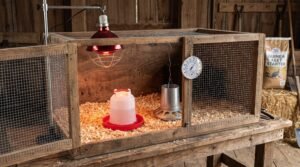
- A brooder that’s already warm, not one you start heating after the keets arrive. They need that warmth immediately, generally in the 90–95°F range for the first week.
- Electrolyte water on hand. A simple vitamin and electrolyte mix in their water can help keets bounce back from shipping stress noticeably faster than plain water alone.
- A plan to inspect every single keet, not just take a quick headcount. Open the box, run each bird through the checklist above individually, and separate anything showing warning signs before it’s had a chance to mix in with the rest of the group.
- The seller’s loss-reporting process saved somewhere handy, so you’re not hunting for it at 6 a.m. if a keet doesn’t make the trip.
One more detail worth flagging: skip wire flooring for shipped keets at this age. Their legs can get caught in the gaps, and it’s an easy problem to avoid entirely with solid flooring and soft bedding for the first couple of weeks. If you haven’t finalized your setup yet, it’s worth reviewing coop and brooder basics in this guinea fowl housing guide before the birds arrive rather than after.
Common Mistakes When Choosing Keets
A few patterns show up again and again with first-time buyers:
- Picking the prettiest keet over the most alert one. Color and markings tell you nothing about health.
- Skipping the vent-versus-navel distinction. Confusing a healing navel scab for pasty butt, or the reverse, leads to either unnecessary handling stress or a missed infection.
- Assuming a quiet keet is just “shy.” In a group this vocal, silence is usually a symptom, not a personality trait.
- Not asking about feed protein levels before buying. If a seller has been using a standard chick starter instead of a game bird formula, keets can arrive underweight for their age without looking obviously sick.
- Buying the exact number wanted with no buffer. Given how common early losses are, most experienced keepers order extra rather than the bare minimum.
Frequently Asked Questions
How can I tell a guinea keet’s navel from pasty butt?
The navel sits closer to the belly, between the legs and the vent, and a small dry scab there in the first few days is normal and shouldn’t be touched. Pasty butt happens at the vent itself, just below the tail, where droppings stick and harden. If you’re ever unsure which one you’re looking at, treat it as the navel and leave it alone rather than risk injuring a healing site by scrubbing it like pasty butt.
Is it normal for shipped keets to look tired when they arrive?
Some tiredness after time in transit is common, and a brief recovery period with warmth, electrolyte water, and quiet handling is usually enough to sort that out. What’s not normal is a keet that’s still listless after a day in a properly warmed brooder — that one is worth separating and watching closely, or flagging to your seller.
How many keets should I buy if I want a flock of six?
Because early mortality tends to run higher in keets than in chicks, many keepers add roughly 20 to 25 percent more than their target number to account for losses in the first few weeks. For a flock of six, that means ordering seven or eight rather than exactly six.
Can I mix keets from different sellers in the same brooder?
You can, but it adds risk. Keets from different sources may carry different exposure histories, and combining them immediately removes any chance to watch each group separately for early signs of illness. If you do mix sources, keep them in separate brooders for at least the first week before introducing them to each other.
Choosing healthy keets really comes down to slowing down long enough to actually look — at the eyes, the vent, the stance, and how each bird behaves next to its siblings, not just how it looks in your hand. Get that part right, and the rest of brooding gets a lot easier. If you’ve just brought keets home, the next step is dialing in their week-by-week care so that early advantage doesn’t go to waste. What’s been the trickiest part of picking out keets for you — the health checks, or finding a seller you trust?
Hi, I’m Rayyan. I raise guinea fowl and share practical, research-backed guides for backyard keepers and homesteaders. I combine hands-on flock experience with trusted poultry management and university extension resources to help you raise healthier, more productive birds — with confidence, not guesswork.