Most keet deaths come down to four preventable problems: chilling, poor nutrition, unsafe water setups, and disease — and every one of them is fixable with the right brooder setup. If you’ve lost keets already, you’re not alone; research on traditional guinea fowl rearing has found early mortality rates climbing well past 50% when birds are left to fend for themselves in uncontrolled conditions. But in a proper brooder, with a few key habits in place, you can bring that number way down.
I’ve brooded more batches of keets than I can count at this point, and I’ve made just about every mistake in the book along the way. This guide walks through exactly why keets die in those fragile first few weeks, and what I actually do differently now to keep mine alive and thriving. If you’re brand new to all this, it might also help to back up and read through the basics of getting started before diving into keet-specific troubleshooting.
- Chilling is the single biggest killer in week one — keets can’t regulate their own body heat yet.
- Wrong feed (especially standard chick starter without a protein boost) leads to slow, weak growth and higher losses.
- Open water dishes drown more keets than almost anything else in the brooder.
- Coccidiosis and other brooder diseases spread fast in damp, dirty bedding.
- Overcrowding and panic pile-ups can trample and suffocate keets in seconds.
Why Keet Mortality Is So High to Begin With
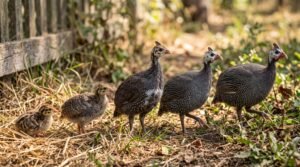
Guinea fowl keets are simply more fragile than chicken chicks during their first two to three weeks of life. They’re smaller-bodied, slower to grow real insulating feathers, and instinctively wired to follow a mother hen across open, dew-soaked ground — which is a disaster if that mother is a guinea hen with zero patience for stragglers.
Guinea hens are notoriously inattentive parents. They’ll charge ahead through wet grass without waiting for keets who can’t keep pace, and that alone accounts for a lot of chilling deaths in free-range setups. It’s a big part of why most experienced keepers, myself included, prefer to hatch eggs in an incubator and brood keets artificially rather than leave it to mom.
Add in the fact that keets are flightier, more prone to panicking, and more sensitive to temperature swings than baby chicks, and you can see why the early weeks demand so much more attention.
Cause #1: Chilling
Chilling is, hands down, the number one reason keets die in their first two weeks. Keets can’t hold their own body temperature until they’re fully feathered, which typically doesn’t happen until six or seven weeks of age. Until then, they’re entirely dependent on you for warmth.
How to spot it: Chilled keets huddle tightly together under the heat source, and if it’s severe, they’ll peep in a sharp, distressed tone instead of their usual soft chirping. That sound is worth learning early — it’s your best early warning sign.
How to prevent it:
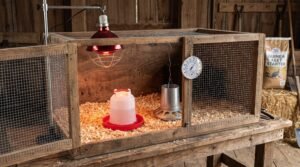
- Keep day-old keets at around 95–100°F at chick height for the first week, then reduce by about 5°F each week until you reach roughly 70°F.
- Use a reliable brooder thermometer rather than guessing — a heat lamp that feels warm to your hand can still be too cool (or too hot) at floor level.
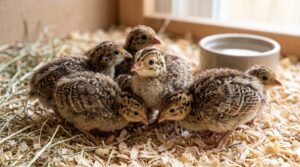
- Watch behavior, not just the thermometer. Keets sprawled out and panting are too hot; keets piled in a tight heap are too cold. Content keets will be spread out, exploring the whole brooder.
- Avoid sudden temperature drops of more than a few degrees in a single day, since keets handle gradual change far better than a sharp swing.
- If you’re brooding outdoors or in an uninsulated shed, expect to run supplemental heat longer than the standard schedule, especially overnight.
I brood mine in a spare room of the house for the first couple of weeks specifically because garages and sheds swing too much in temperature overnight. It’s a bit more laundry for me, but I’ve lost far fewer keets since making that switch.
Cause #2: Poor Nutrition and the Wrong Starter Feed
This is the mistake I see (and made myself) more than almost any other: feeding keets a standard chick starter meant for baby chickens. Keets need meaningfully more protein than chicks do to support their fast early growth, and a feed that’s fine for chickens can leave guinea keets weak, stunted, or more vulnerable to other stressors.
| Feed Type | Protein Level | Best For |
|---|---|---|
| Standard chick starter | ~18–20% | Chicken chicks (not ideal alone for keets) |
| Game bird or turkey starter | 24–28% | Keets, weeks 0–4 (recommended) |
| Game bird grower | 20–26% | Keets, weeks 4–8 |
If a higher-protein starter isn’t available locally, you can supplement standard chick starter with dried mealworms or a bit of scrambled egg to help close the protein gap — just don’t rely on that as a long-term substitute, since it won’t be nutritionally complete on its own. If you’re trying to work out how much feed to budget for as your keets grow, my feed calculator can help you plan ahead rather than guess.
Feeding frequency matters just as much as the feed itself in those early weeks — my guide on how often to feed guinea fowl by age breaks down how that changes as keets grow.
Beyond protein, watch for these nutrition-related issues:
- Feed too coarse or too fine: Keets need a crumble size they can actually manage; feed that’s too big goes to waste, and feed that’s too fine can be wasted just as easily by enthusiastic scratching.
- Grit given too early: Hold off on grit for the first couple of weeks. Keets don’t need it yet, and offering it too soon can lead to a gizzard packed with grit instead of food.
- Gaps in feeding: Keets that go more than about 24 hours without food are at serious risk. Always have feed available and refill it before it runs empty, especially overnight.
Cause #3: Drowning and Unsafe Water Setups
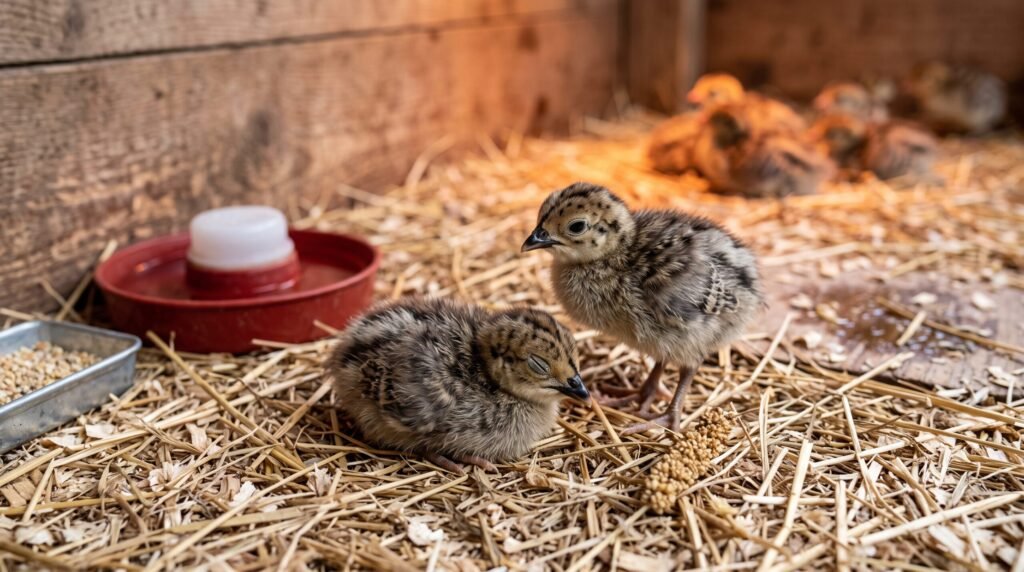
It sounds almost unbelievable until you’ve seen it happen, but a standard open water dish is genuinely dangerous for tiny keets. They’re clumsy, top-heavy, and will happily climb into a dish of water they can’t climb back out of.
How to prevent it:
- Use a proper drown-proof waterer with narrow drinking channels, not an open bowl or dish.
- Keep the waterer shallow enough that a keet standing in it would still have its head well above the surface.
- Place the water source near — but not directly under — the heat lamp, since keets do best drinking somewhere warm rather than trekking across a cold brooder floor.
- Check the water multiple times a day. Keets are messy, and bedding, droppings, or spilled feed in the water can turn a good waterer into a health hazard within hours.
Cause #4: Disease, Damp Bedding, and Poor Hygiene
Wet, dirty bedding is a breeding ground for the bacteria and parasites that cause a lot of preventable keet deaths. Research into traditional guinea fowl farming has repeatedly linked overcrowded, unhygienic housing to sharp spikes in keet mortality, and the pattern holds just as true in a backyard brooder as it does on a larger farm.
If you’re raising keets to add to an existing flock later, it’s also worth looking into a vaccination schedule early, since some of the diseases that hit young birds hardest are preventable ahead of time.
A few conditions worth knowing about:
- Coccidiosis: This intestinal disease, caused by protozoal parasites that thrive in warm, damp litter, is far less common in keets than in chicks, but it can still occur, especially in dirty brooders. Watch for lethargy, ruffled feathers, and diarrhea.
- Pasty butt: Common in the first few days of life, this is when droppings cake around the vent and block elimination — which can be fatal if left untreated. Gently clean the area with a warm, damp cloth rather than pulling at dried material.
- Salmonella: Studies on traditional guinea fowl flocks have traced some Salmonella outbreaks in keets back to contact with adult birds or surrogate hens, which is one more reason to keep very young keets separated from your adult flock until they’re stronger.
How to prevent it:
- Use bedding that keets can’t easily eat, such as pine shavings, rather than anything fine or slick like sawdust or newspaper.
- Change bedding regularly, and immediately if it becomes wet from spilled water.
- Clean feeders and waterers daily to prevent bacterial buildup.
- Keep young keets away from adult birds and their droppings until they’ve had a chance to build up some resilience.
For a deeper look at symptoms and treatment options once a bird is already sick, my guide to common guinea fowl diseases covers it in more detail.
Cause #5: Overcrowding, Panic, and Trampling
Keets startle easily, and when they startle, they pile. A sudden noise, a shadow from above, or even just a keet reacting to something only it noticed can send the whole group scrambling into a corner — and the keets at the bottom of that pile can be crushed or suffocated in seconds.
How to prevent it:
- Give keets at least one square foot of space per bird by three weeks of age, and don’t let the brooder get crowded before then either — my breakdown of housing space requirements has more detail as they size up.
- Move slowly and announce yourself before reaching into the brooder, since guineas are instinctively wary of anything approaching from above.
- Avoid brooders with sharp corners where keets can wedge together; rounded or corner-blocked enclosures reduce pile-up risk.
- Handle keets gently and often from day one. It won’t stop every startle response, but keets that are used to your presence panic less over time.
A Quick Pre-Brooding Checklist
Before your keets arrive, it helps to have everything ready rather than scrambling on day one:
- Brooder set up and pre-warmed to 95–100°F, with a thermometer at keet height.
- Non-slip bedding down (no newspaper or paper towels).
- Drown-proof waterer filled and placed near the heat source.
- High-protein game bird or turkey starter feed on hand.
- Enough space planned for at least one square foot per bird by three weeks old.
Getting these five things right before the keets even show up solves most of the problems in this guide before they start.
Final Thoughts
Nearly every major cause of keet mortality — chilling, poor nutrition, drowning, disease, and trampling — comes back to the same root issue: keets are far more fragile than chicks during those first few weeks, and they need a setup built specifically around that fragility. Get the temperature, feed, water, hygiene, and space right, and you’ll see a dramatic difference in how many keets make it through to their first month.
If you’re just getting started, I’d also recommend reading through my week-by-week guide to raising guinea fowl keets for a fuller picture of what to expect as they grow past this early stage.
What’s been your biggest struggle with keeping keets alive in those first few weeks? I’d love to hear what’s worked (or hasn’t) in your own brooder.
Frequently Asked Questions
How many keets typically survive to adulthood?
Survival varies a lot by setup, but keets raised in a well-managed, climate-controlled brooder with proper feed and hygiene can see mortality rates far below what’s typical in free-range or traditional farming systems, where early losses are often severe.
At what age are keets no longer at high risk?
Once keets are fully feathered, typically around six to seven weeks old, they can regulate their own body temperature and become much less vulnerable to chilling. That said, they still benefit from careful feeding and predator protection well beyond that point.
Can I brood keets together with chicks?
It’s possible, but keets need higher protein feed and are more easily bullied or outcompeted by faster-growing chicks, so many keepers prefer to brood them separately, at least for the first few weeks.
Do guinea keets need a heat lamp if it’s warm outside?
Even in warm weather, keets need supplemental heat for at least the first couple of weeks, since nighttime temperature drops can chill them even when daytime conditions feel comfortable to you.
Hi, I’m Rayyan. I raise guinea fowl and share practical, research-backed guides for backyard keepers and homesteaders. I combine hands-on flock experience with trusted poultry management and university extension resources to help you raise healthier, more productive birds — with confidence, not guesswork.