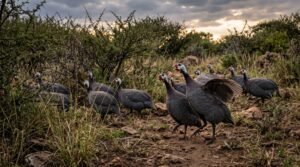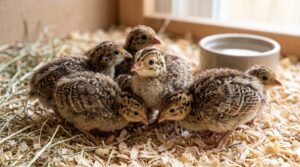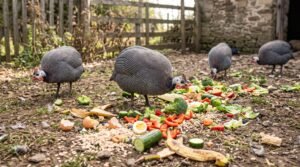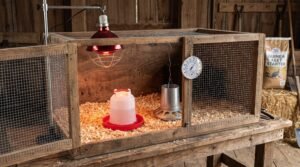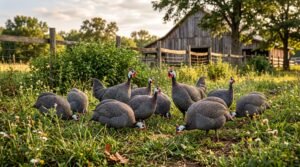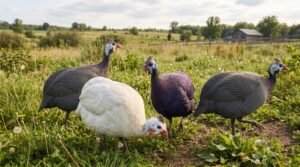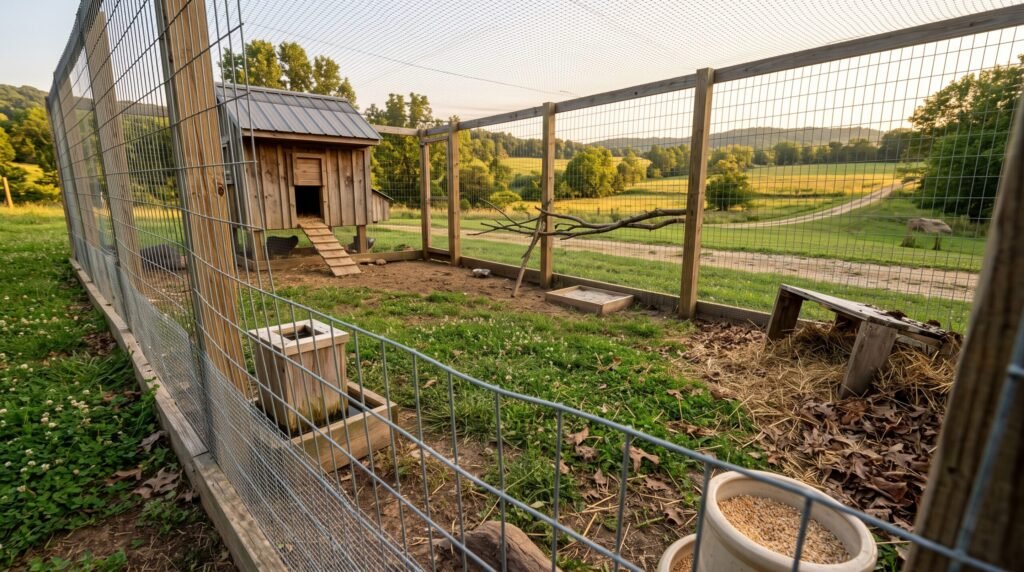
The best guinea fowl run gives each bird at least 10 to 15 square feet of outdoor space, stands a minimum of 6 feet tall with a covered top, and uses buried hardware cloth instead of chicken wire. Get those three things right, and everything else — layout, shelter, ground cover — falls into place around them.
I learned most of this the hard way. My first run was a repurposed dog kennel, and within a week I had guineas roosting on the fence posts and slipping out over the top like it wasn’t even there. Guinea fowl aren’t chickens, and a run built with chicken instincts in mind will let you down fast. Here’s how I’d build one if I were starting over today.
Before you touch a post-hole digger, it helps to know what you’re aiming for. Here’s the short version:
| Element | Recommendation |
|---|---|
| Space per bird | 10–15 sq ft minimum; 15–20 sq ft is more comfortable |
| Fence height | 6 feet minimum, fully covered on top |
| Fencing material | ½-inch hardware cloth, not chicken wire |
| Buried depth | 12 inches around the entire perimeter |
| Coop access | At least two pop holes to reduce squabbling |
| Ground cover | Dirt, sand, or short grass — never deep mud |
Why Guinea Fowl Need More Room Than Chickens
Guineas are restless. A hen who spends her afternoon dust-bathing and dozing in the sun is a normal chicken. A guinea that stops moving for more than a few minutes is usually laying an egg, sick, or getting ready to roost — otherwise, they’re pacing, foraging, and patrolling almost constantly. That habit is exactly why so many people keep them for tick and pest control, but it also means a cramped run turns into a pressure cooker fast.
When guineas don’t have enough room to move, they don’t just get bored — they get tense with each other. I’ve seen it happen in my own flock: birds that normally ignored each other started pecking and shoving once I temporarily doubled up two groups in a run meant for half that many. Overcrowding is one of the fastest ways to trigger noise and behavior problems you didn’t have before.
How Big Should a Guinea Fowl Run Be?
Most keepers and hatchery guides land in a similar range: 10 square feet per bird as an absolute minimum, with 15 to 20 square feet per bird recommended if your guineas will spend most of the day confined rather than free-ranging. If they only use the run part-time and roam the rest of the day, you can lean toward the smaller end of that range.
Do the math before you build. A run for six guineas needs at least 60 square feet at the bare minimum — closer to 90 to 120 square feet if you want them comfortable and calm. That’s roughly an 8-by-12-foot to 10-by-12-foot footprint for a flock that size.
A few things push that number higher rather than lower:
- Full-time confinement. If your guineas never get to free-range, size the run at the generous end of the range or beyond.
- Mixed ages or new introductions. Extra space gives lower-ranking birds somewhere to retreat when introducing new guinea fowl to an existing flock.
- Feeder and waterer footprint. Equipment eats into usable space, and birds low in the pecking order need enough room to approach feeders without getting cornered.
I’d rather build a run slightly too big than watch a flock get snippy with each other because I tried to save on fencing.
Fencing
This is where guinea fowl runs really part ways with chicken runs, and it’s the section I’d tell any new keeper to read twice.
Height
Guinea fowl are strong, fast fliers — far better than most chickens — and they can clear a 4- or 5-foot fence without much effort. Plan on a minimum of 6 feet, and don’t count on height alone to keep them contained. Even at 6 feet, an uncovered run gives an energetic guinea enough of a running start to make it over, especially young or recently relocated birds that haven’t settled in yet.
Covering the Top
A fully covered top — netting or hardware cloth over the entire run — is the most reliable way to keep guineas from flying out and to keep hawks and owls from dropping in. If you want your flock to patrol for insects during the day, some keepers leave the run open after the first several weeks so the birds can fly out to forage and wander back in on their own schedule. But if you need them reliably contained, covering the run is worth the extra material cost.
Some keepers compromise with a landing board along the top edge of the fence, giving guineas somewhere to perch and look around before deciding to fly back down inside rather than sailing over into the yard next door. It’s not foolproof, but it’s a reasonable middle ground if a full cover isn’t practical for your setup.
Material
Skip chicken wire. It keeps birds in reasonably well, but it bends and tears easily and won’t slow down a determined raccoon or dog. ½-inch galvanized hardware cloth is the standard recommendation for guinea fowl and chicken runs alike — it’s a heavier gauge, holds its shape, and closes the small gaps that predators exploit.
Bury It
Raccoons, foxes, and dogs will dig under a fence that stops at ground level. Bury the hardware cloth at least 12 inches into the soil around the entire perimeter, or bend it outward in an L-shaped apron along the ground so diggers hit wire before they hit open dirt. It’s tedious work, especially in rocky soil, but it’s the difference between a predator-resistant run and one that only looks secure.
Layout
Once the size and fencing are settled, the layout inside the run matters more than people expect. I think about mine in a few loose zones rather than one open square.
- Coop access. Guinea fowl squabble over doorways more than chickens do, so give the run at least two pop holes into the coop. One entrance creates a bottleneck, especially at dusk when everyone wants in at once.
- Feed and water station. Keep feeders and waterers away from corners, where a bird can get trapped by a pushier flock mate. A little open space on all sides lets subordinate birds approach and retreat without conflict.
- Dust-bathing and loafing area. Guineas like a dry patch of loose dirt or sand to bathe in. If your run is grassy, leave or create one bare patch — they’ll find it and use it constantly.
- Shade. A tarp, a few planted shrubs, or even a leaning sheet of scrap plywood gives birds somewhere to get out of direct sun during hot afternoons.
- A quiet corner. Somewhere away from the main traffic pattern gives lower-ranking birds a place to retreat, which cuts down on the pecking and bullying that crowding tends to cause.
None of this needs to be elaborate. My own run is a rectangle with the coop on one short end, feeders along one long side, and a sand patch in the far corner — simple, but it’s held up fine for a few years now.
Ground Cover and Drainage
Guinea fowl handle dirt, sand, and short grass fine, and they’re gentler on vegetation than chickens since they don’t scratch and dig with the same intensity. What they don’t handle well is standing water or deep mud, which invites bacteria and parasites and just makes for a miserable, smelly run.
If your site doesn’t drain well on its own, grade the run slightly away from the coop, or add a few inches of sand or gravel under the top layer of dirt in the areas that tend to pool. It’s much easier to fix drainage before you fence the perimeter than to dig it out afterward.
Common Mistakes to Avoid
A few issues come up again and again with new guinea fowl runs:
- Building for chicken habits, not guinea habits. A run that would happily hold six hens can feel cramped and cause real problems for six guineas.
- Trusting fence height without a cover. A tall fence slows guineas down; it doesn’t stop them on its own.
- Using chicken wire and skipping the buried apron. Both cuts corner in exactly the place predators test first.
- One pop hole for the whole flock. It creates a nightly bottleneck and more squabbling than necessary.
- Ignoring drainage until after it’s a problem. Mud is harder to fix once the fence is already up.
Most of these are easy to avoid at the planning stage and genuinely painful to retrofit later, which is why I’d rather spend an extra weekend getting the fencing and layout right than rebuild in six months.
Final Thoughts
A well-built guinea fowl run comes down to giving your birds real room to move, fencing that respects how well they fly, and a layout that keeps feeding, resting, and dust-bathing areas separate enough to avoid friction. Get those basics down, and the rest — decorations, extra perches, seasonal tweaks — is just refinement.
If you’re still deciding how many birds to start with, it’s worth working backward from your available space using our guinea fowl coop size calculator before you commit to a footprint. And once the run is built, the real test is getting your flock to actually use it — our guide on training guinea fowl to return to the coop at night covers that transition in more detail.
What size run are you working with, and how many birds are you planning to keep in it? I’d love to hear how your layout comes together.
FAQ
How many guinea fowl can I keep in a 10×10 run?
A 10×10 run gives you 100 square feet of space. At the recommended 10 to 15 square feet per bird, that comfortably supports 6 to 10 guineas, depending on how much time they spend free-ranging outside the run.
Can guinea fowl and chickens share the same run?
Yes, guinea fowl and chickens can share a run successfully in many cases, though guineas need more vertical and floor space than chickens do, and you’ll want to watch how the two species settle into a pecking order together, especially early on. For more on this, see our guide on keeping guinea fowl with chickens, ducks, and turkeys.
Do I need to cover the entire run, or just part of it?
It depends on your goals. A fully covered run keeps guineas reliably contained and protects them from aerial predators at all times. An open or partially covered run lets them fly out to forage during the day, which is great for pest control, but only makes sense if you’re comfortable with them wandering and have a way to bring them back at dusk.
What’s the minimum fence height for guinea fowl?
Six feet is the generally recommended minimum, but height alone won’t stop a motivated guinea from flying out. Pair a tall fence with a covered top, a landing board, or wing clipping for the most reliable containment.
Hi, I’m Rayyan. I raise guinea fowl and share practical, research-backed guides for backyard keepers and homesteaders. I combine hands-on flock experience with trusted poultry management and university extension resources to help you raise healthier, more productive birds — with confidence, not guesswork.